


 198
198 0
0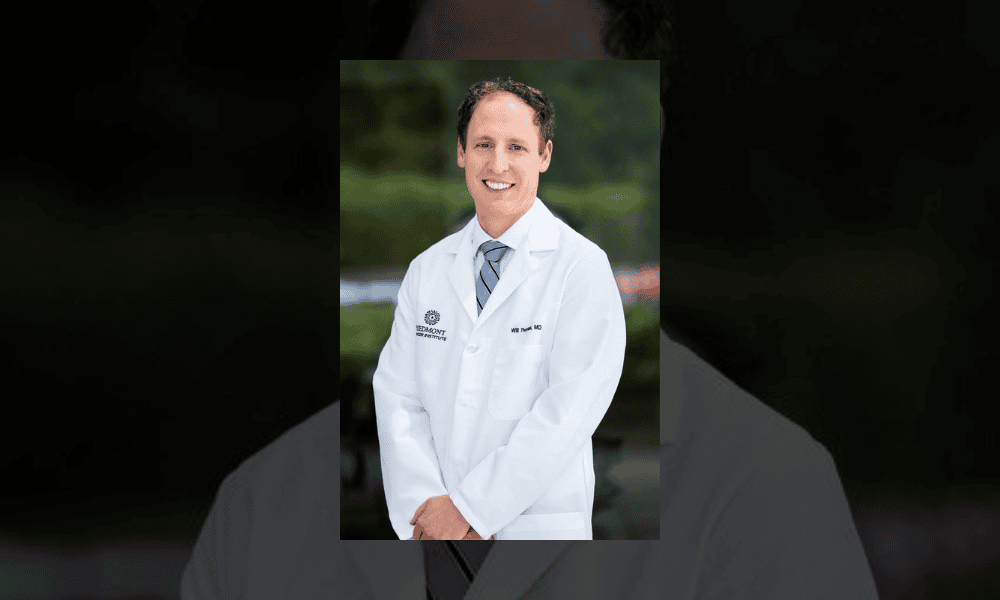
Overall, colorectal cancer has become less common thanks to better screening and earlier detection. But one group is moving in the opposite direction: young adults are being diagnosed at increasing rates, prompting doctors to take a closer look at why.
“It’s the third most common cancer among adults in the U.S. and the second leading cause of cancer-related death,” said Dr. Will Thomas, a medical oncologist with Piedmont Cancer Institute. “Over the past few decades, the overall incidence of colon cancer has been decreasing, we think because of improvements in screening and early detection and treatments. But in younger people, specifically less than 50 years old, unfortunately, that has not been the case.”
According to the American Cancer Society, about 160,000 new cases of colorectal cancer and approximately 55,000 deaths are expected in the United States this year. Even more concerning, Thomas said, colon cancer diagnoses in adults younger than 50 have increased by roughly 3% each year between 2013 and 2022. Today, it is the leading cause of cancer-related death in men under 50 and the second leading cause in women under 50, behind breast cancer.
Why is this happening?
Doctors don’t have a single answer.
Thomas noted that about 20% of early-onset colorectal cancers are linked to inherited genetic conditions, including Lynch syndrome, which affects the body’s ability to repair DNA mutations before they develop into cancer. But genetics account for only a fraction of cases.
“That still leaves like 80% of cases that we don’t think are specifically from an inherited genetic syndrome,” Thomas said.
Instead, Thomas said researchers believe multiple lifestyle and environmental factors are likely working together.
A Western-style diet high in red and processed meats, refined grains, sugary beverages, alcohol, and ultra-processed foods has been associated with an increased risk of colorectal cancer. Studies have also found that drinking more than two sugar-sweetened beverages a day may increase risk.
Thomas said obesity and sedentary lifestyles appear to play a role as well. Both can contribute to chronic inflammation, creating an environment where abnormal cells are more likely to develop and multiply.
Thomas also pointed to emerging research investigating changes in the bacteria that naturally live in the digestive tract. A recent study identified a toxin produced by certain strains of E. coli that appears more frequently in younger patients with colorectal cancer, although scientists are still working to understand exactly how it contributes to the disease.
“It’s not something we give antibiotics for,” Thomas said. “There’s not a specific test we’re doing, but the thought is that trying to follow a healthier, Mediterranean-style diet, exercising, and making healthier lifestyle choices can reduce the chances of colon cancers developing.”
Symptoms you should never ignore
While many younger adults assume colorectal cancer is something that only affects older people, Thomas said it’s important not to dismiss warning signs.
“The biggest thing is rectal bleeding or blood in the bowel movements,” he said. “That’s never something that’s normal, or something that you should just say is probably hemorrhoids.”
Other symptoms can include persistent changes in bowel habits, especially consistently narrower stools, unexplained weight loss, and iron-deficiency anemia—particularly in men or in women whose anemia seems more severe than would be expected from menstrual blood loss.
Anyone experiencing these symptoms should discuss them with their primary care physician, who can determine whether additional testing is needed.
Screening saves lives
One of the biggest changes in recent years has been lowering the recommended age for routine colorectal cancer screening.
The U.S. Preventive Services Task Force now recommends that average-risk adults begin screening at age 45 instead of 50.
People with a first-degree relative—a parent or sibling—diagnosed with colorectal cancer should begin screening 10 years earlier than the age at which that family member was diagnosed. Individuals with Crohn’s disease, ulcerative colitis, or other inflammatory bowel diseases may also need earlier or more frequent screening.
A colonoscopy remains the gold standard because it allows physicians not only to detect cancer but also to prevent it.
“Usually colon cancers develop over the course of many years and usually start as polyps,” Thomas said. “If we find a polyp, the goal is to remove it and make sure that it’s benign.”
Removing polyps before they become cancerous is one of the most effective ways to prevent colorectal cancer altogether, Thomas explained, because doctors cannot always tell simply by looking at a polyp whether it could eventually become cancerous.
For people who are unable or unwilling to undergo a colonoscopy, stool-based screening tests are also available. However, Thomas noted that abnormal results from those tests are generally followed by a colonoscopy to determine the cause.
What young adults should know
Thomas, a 2010 graduate of Newnan High School, returned to the community after completing four years of medical school, a three-year internal medicine residency, and a three-year hematology-oncology fellowship at the University of Virginia. Now practicing at Piedmont Cancer Institute’s Newnan and Fayetteville offices, he treats colorectal cancer regularly—one of the most common cancers he sees in his practice.
While researchers continue studying why the disease is becoming more common in younger people, Thomas said the advice today remains straightforward: maintain a healthy weight, stay physically active, eat a diet rich in whole foods, and don’t ignore symptoms that seem unusual.
Just as importantly, don’t delay recommended screenings.
Early detection not only makes colorectal cancer more treatable—it can prevent it from developing in the first place.
According to their spokesperson, “While PCI is proud to be part of the Piedmont Clinic network, we are an independent oncology practice led by our team of physicians. Our physicians oversee the clinical direction of the practice and remain committed to delivering personalized, patient-centered cancer care to the communities we serve.”
If you or a loved one has been diagnosed with colorectal cancer or another form of cancer, Piedmont Cancer Institute offers comprehensive cancer care close to home. To learn more about its physicians, treatment options, or to request an appointment, visit www.







Leave a Comment
You must be logged in to post a comment.