


 1848
1848 0
0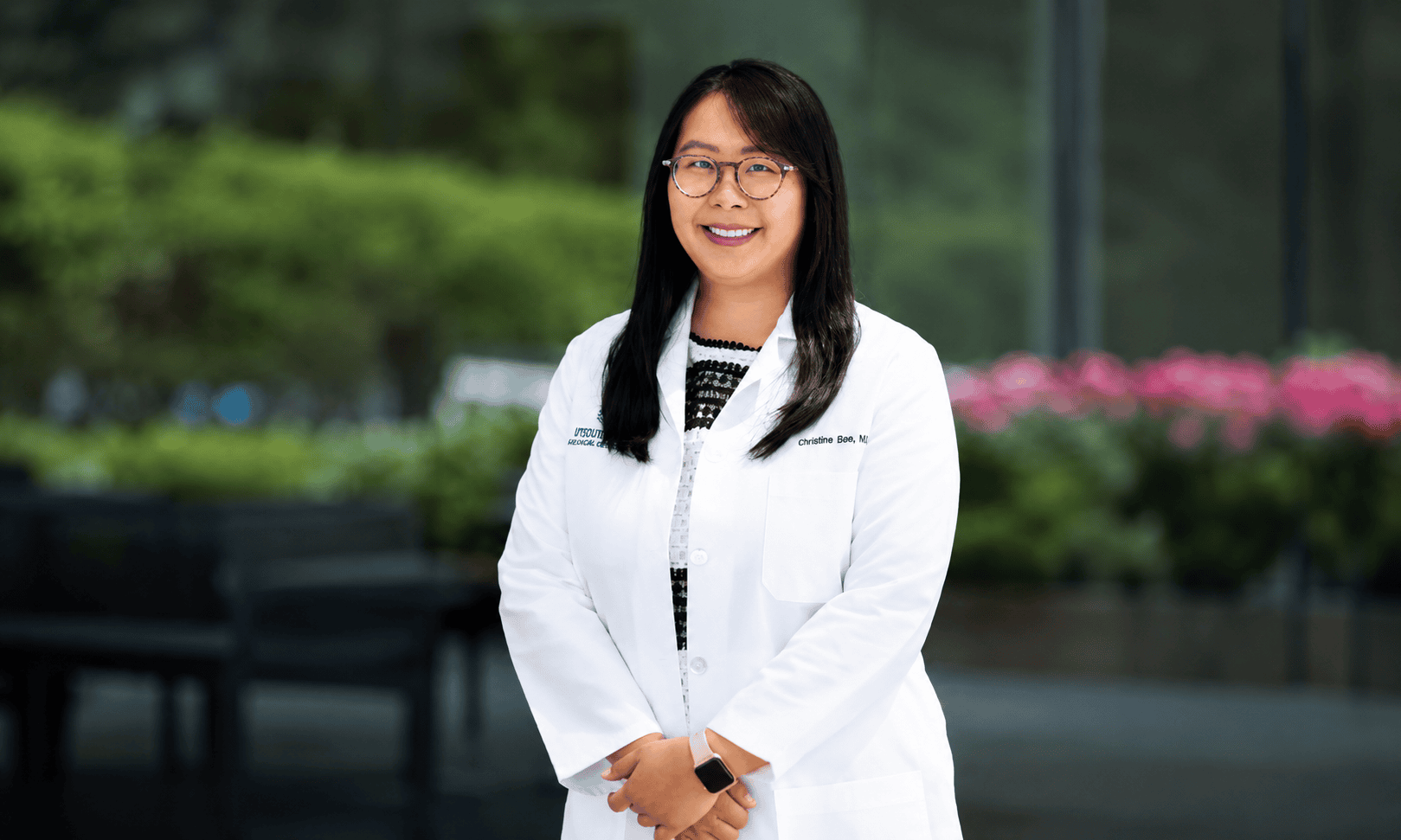
Not long ago, cancer treatment was often based primarily on where a cancer originated in the body. A patient with lung cancer received one treatment plan. A patient with breast cancer received another.
Today, cancer specialists are increasingly looking deeper—sometimes all the way down to a tumor’s genetic mutations—to identify treatments tailored to an individual patient’s disease.
The approach is known as precision medicine, and according to Piedmont Cancer Institute hematologist-oncologist Dr. Christine Son, it is transforming cancer care.
“Personalized medicine, or what we also call precision medicine, has really taken off,” Son said.
Looking beyond the diagnosis
Modern cancer treatment often involves genetic and molecular testing that helps physicians understand what is driving a patient’s cancer.
“It’s where you’re using genetic markers, molecular markers, different mutations that are unique to individuals,” Son explained.
Researchers have identified specific mutations that can be targeted by specialized medications. Instead of broadly attacking rapidly dividing cells the way traditional chemotherapy often does, these therapies are designed to target the specific biological mechanisms helping a cancer grow.
“We’re now able to target certain mutations and offer treatments that are directly targeting whatever is mutated or different,” Son said.
A lung cancer example
One of the most significant advances has occurred in lung cancer treatment.
Son described a patient diagnosed with metastatic lung cancer whose testing revealed an EGFR mutation—a genetic change known to respond to targeted therapies.
The patient received chemotherapy along with a targeted medication called osimertinib.
“It’s really been a game changer in oncology,” Son said. “Taking this pill can directly target whatever that mutation is.”
The benefits extend beyond treatment effectiveness.
“The outcomes have been very good with very few side effects overall,” she said.
For patients, that can mean longer survival, improved quality of life, and better disease control.
When cancer changes, treatment can change too
Precision medicine isn’t only valuable at diagnosis.
Sometimes physicians use additional testing after a treatment stops working as expected.
Son recently treated a breast cancer patient whose disease progressed despite initial therapy. Additional molecular testing identified an ESR1 mutation, opening the door to a different treatment strategy.
“Having that mutation gives us a different option in terms of therapy,” Son said.
In other words, physicians can increasingly adjust treatment plans based on how a patient’s cancer evolves over time.
Research drives every decision
While the science behind precision medicine can sound futuristic, Son emphasizes that every treatment recommendation is grounded in clinical research.
“Everything we do is based off of what research has been done,” she said. “Everything we offer, prescribe, anything like that is based off of what’s previously been shown to have benefit.”
That research pipeline continues to expand.
PCI participates in numerous clinical trials, allowing local patients to access emerging therapies without necessarily traveling long distances.
“We have plenty of trials open in all different tumor types,” Son said.
The practice partners with organizations conducting the studies and helps bring those opportunities into the community.
“What that allows is for our patients in the community to have access to whatever novel treatment option the trial is studying,” she said.
The future is increasingly personal
As researchers continue identifying new genetic markers and targeted therapies, Son believes precision medicine will become even more central to cancer care.
“In general, I would say that we are leaning more and more towards doing more of this genetic and molecular testing,” she said.
For patients, that means treatment decisions are increasingly based not only on where a cancer started, but also on the unique biological characteristics of their individual disease.
The result is a future where cancer treatment is becoming more personalized, more precise, and in many cases, more effective than ever before.
According to their spokesperson, “While PCI is proud to be part of the Piedmont Clinic network, we are an independent oncology practice led by our team of physicians. Our physicians oversee the clinical direction of the practice and remain committed to delivering personalized, patient-centered cancer care to the communities we serve.”
To learn more about cancer treatment options, clinical trials, or precision medicine at Piedmont Cancer Institute, visit www.






Leave a Comment
You must be logged in to post a comment.