


 1634
1634 0
0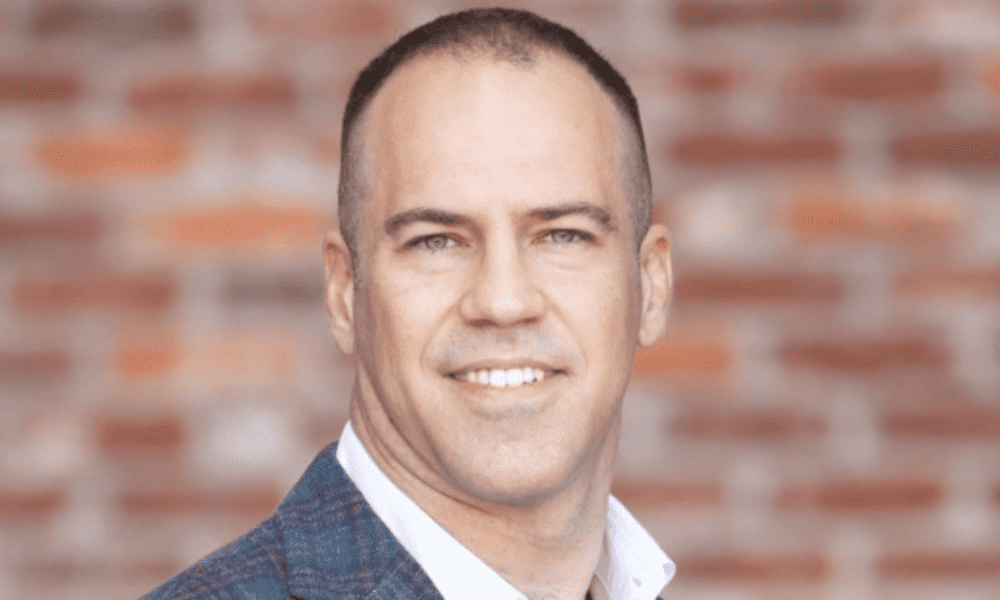
Peachtree City advisor Kyle Ray says clients shouldn’t pay higher fees because their investments grow, nor should financial advice be influenced by commissions, products, or asset-gathering incentives.
When Kyle Ray launched Ridgeback Wealth Management in Peachtree City, he wasn’t trying to build a traditional financial advisory firm.
Instead, he looked at some of the industry’s most common practices and asked a simple question: What if those incentives were removed altogether?
The result is a firm built around a flat annual fee, with no commissions, no product sales, and no percentage-of-assets charges.
“People often ask what makes Ridgeback different,” Ray said. “Sometimes it’s easier to explain by talking about what we won’t do.”
Ridgeback won’t charge a percentage of your assets
For decades, the standard advisory model has been straightforward: the more assets a client has under management, the more the advisor gets paid.
A household with $1 million invested might pay roughly $10,000 per year under a 1% assets-under-management fee structure. As account balances grow, advisory fees typically grow as well.
Ray chose a different path.
Ridgeback charges a flat annual fee of $5,800 for ongoing wealth management and financial planning services. Whether a client has $500,000, $1 million, or several million dollars invested, the fee remains the same.
“I kept coming back to the same question,” Ray said. “Does it really cost more to manage more money?”
For Ray, the answer was no.
He believes clients should benefit from the growth of their investments rather than watching advisory fees increase alongside their account values.
Ridgeback won’t sell you a product
Ray is quick to point out that Ridgeback does not sell insurance products, mutual funds, annuities, or proprietary investment products.
Clients are not paying for access to a product. They are paying for planning, guidance, and advice.
That distinction matters, Ray said, because it removes a potential conflict from the relationship.
Many financial professionals are compensated through commissions or are affiliated with firms that manufacture products. Ridgeback is not.
Instead, Ray’s role is to evaluate options and help clients determine what makes the most sense for their situation.
Because his compensation does not change based on the recommendation, he says clients can be confident that advice is driven by planning rather than sales.
Ridgeback won’t tell you to sell assets you want to keep
One of Ray’s clients came to him following a divorce with several pieces of real estate and questions about what to do next.
Some advisors might immediately focus on moving those assets into investment accounts. After all, under an assets-under-management model, gathering more assets often means earning more revenue.
Ray’s compensation would not change.
“Honestly, if the properties make sense, if we looked at the risks and we looked at the potential returns and the rents, and maybe they fit your preference, if you just really like real estate or you really want to be hands-on with it, then great,” Ray said.
Because Ridgeback’s fee remains the same regardless of the recommendation, he says he can help clients evaluate opportunities without worrying about how a decision affects his paycheck.
“If it’s something you decide is not for me, I’ll help you work on alternatives,” he said. “I’m not as conflicted by, gosh, if you don’t sell these properties, how am I going to work for you?”
The same principle applies to entrepreneurs who prefer investing in their own businesses, families who own farmland, or retirees who have built wealth through rental properties.
For Ray, the objective is not gathering assets. The objective is helping clients make informed decisions.
Ridgeback won’t make you pay for overhead
Large financial firms often operate from prominent office buildings with reception areas, administrative staff, and significant overhead expenses.
Ridgeback operates differently.
Clients may meet Ray by Zoom, at a local coffee shop, in a rented conference room, or even at their own kitchen table.
“I offer to come to people’s houses if that’s where they would prefer to meet,” Ray said.
Without maintaining a large corporate office, Ray says he can focus on delivering planning and advice rather than supporting expensive infrastructure.
Ridgeback won’t take custody of your money
Another principle behind Ridgeback’s model is that client assets remain with an independent custodian.
Accounts are typically held at Charles Schwab, where clients maintain ownership and control while granting Ray limited authority to manage investments when appropriate.
“You basically give me the access that I need to do what I need to do for you,” Ray explained.
The arrangement provides transparency and helps ensure clients know exactly where their assets are held.
For investors who have watched financial fraud cases make headlines over the years, Ray believes that separation provides an important layer of accountability.
Planning comes first
While Ridgeback’s fee structure often attracts attention, Ray says the real value lies in comprehensive financial planning.
Before discussing investments, he spends time understanding a client’s goals, values, concerns, income sources, and long-term plans.
“I do the full financial planning process of getting to know the client,” Ray said. “Understanding their values, what’s important to them, before I make any recommendations.”
That planning-first philosophy ultimately drives every recommendation Ridgeback makes.
And according to Ray, that’s the point.
Financial advice should be based on what is best for the client—not on commissions, products, or how much money an advisor can gather.
Learn More
Ridgeback Wealth Management is based in Peachtree City and serves clients throughout the United States through in-person and virtual meetings.
To learn more or schedule a consultation, visit www.ridgebackwealth.com, email [email protected], or call 770-202-1288.






Leave a Comment
You must be logged in to post a comment.