


 6037
6037 0
0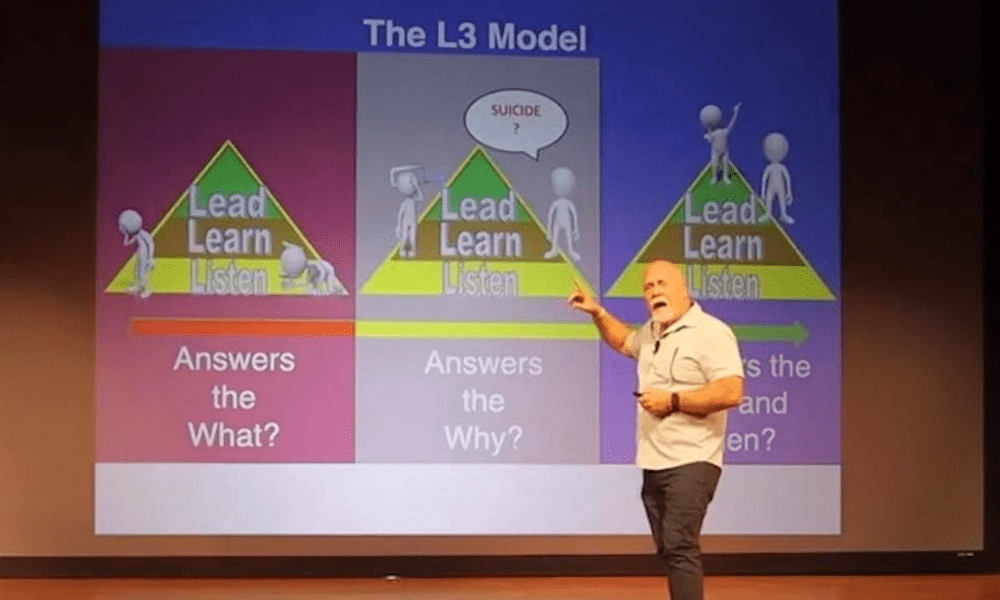
Three suicide deaths in just a matter of weeks have shaken Fayette County: middle school teacher Dave “Coach Ed” Edinger, an elementary school teacher in Peachtree City, and a 14-year-old McIntosh High School student. The losses have rippled across classrooms, neighborhoods, and community circles — and suicide-prevention expert Kenneth “Lou” Koon says the risk for further loss rises with each death.
“Suicide is a contagion,” Koon said. “One suicide can lead to another suicide.”
Koon, a crisis intervener with more than 2,000 interventions and 31,000 people trained nationwide, serves local agencies through Stop Suicide USA and Armed Forces Mission. With a doctorate in counseling and years of military suicide-prevention work, he has spent more than a decade responding to crises in Fayette County. His message to residents is urgent but hopeful: intervention saves lives, and everyday people can learn the skills that reduce contagion and protect those at risk.
Why Suicide Can Spread So Quickly
Since September, Koon has been called to nine suicide deaths in the region — five of them in Fayette County.
“It’s the familiarity that makes it contagious,” he said. “Especially among young people. Kids tell their friends, not their parents, and a fifteen-year-old doesn’t know how to de-escalate a friend.”
Adults can be swept into contagion too. When a teacher, coach, or student dies suddenly, the grief and shock can trigger guilt or hopelessness among those closest to them.
“If a child has died, a parent may be at risk — or vice versa,” Koon said.
When There Are No Warning Signs
Coach Ed’s death blindsided his family and his school community. His wife, Sandy, told The Citizen she saw no signs he was struggling. No withdrawal, no unusual behavior, no conversation about depression.
Koon said this is not uncommon.
“About twenty percent of people will never show any signs. One out of five people will never show signs that they’re suicidal,” he said.
He recalled a similar tragedy in Coweta County years ago. One well-known Coweta County woman laughed through a party just hours before her death. Her friend said, “She was always happy, always smiling.” She went home that night and took her life with no visible warning signs.
Koon emphasized that while signs are helpful, they are not always present.
“Signs matter, but life changes matter more,” he said. Divorce, job loss, chronic pain, health scares, retirement, family disruption, or a sudden identity crisis can all create overwhelming stress — even when a person appears outwardly fine.
What Parents Need to Say to Their Kids Tonight
Koon urges parents to have a direct, compassionate conversation with their children now.
“Teach your kids that loyalty does not mean keeping secrets. Loyalty means keeping people safe.”
He recommends parents ask:
“Have you ever had a friend talk about suicide?”
Most kids will say yes.
Then parents should tell them:
“If someone tells you they’re hurting, you have to tell me — even if they say ‘don’t.’ That is too heavy a burden for you to carry alone.”
A Fayette family saw the power of this advice save a life. After a local teen died right after Thanksgiving several years ago, his best friend spiraled into suicidal thinking weeks later. Because a parent had attended one of Koon’s classes, her son knew to show her a concerning text that night. The family intervened, and the teen survived.
“If you see something, say something. Always. That’s what parents must teach,” Koon said.
How to Ask Someone If They’re Suicidal
Koon teaches a simple, lifesaving script:
Step 1: Acknowledge their struggle.
“You’re going through a lot right now.”
Step 2: Normalize the experience.
“Many people going through something like this have thoughts of suicide.”
Step 3: Ask directly.
“Are you having thoughts of suicide?”
He said people often feel relief when someone finally names their pain.
“If they trust you and you’ve taken time to listen, 99 percent of the time they’ll say, ‘Yeah… how did you know?’”
That moment can be transformative.
“That’s where the installation of hope begins,” Koon said. “When someone realizes they’re not alone — that somebody knows.”
When Pain — Physical or Emotional — Becomes the Breaking Point
Many suicides involve people living with severe physical pain. Koon works with individuals whose bodies feel like they’re “on fire,” as one described. He never dismisses their pain — he challenges the belief that suicide is the only relief.
“Find your pain. Identify it. It’s real. I’m not discounting it,” he said.
“But suicide ends all of your options. Stick around long enough to find a better one.”
He reminds people that pain can later become purpose.
“The pain you’re experiencing today may become the passion you use for a purpose tomorrow,” he said.
Understanding the Three Recent Cases in Our Community
The recent deaths — middle school teacher Dave “Coach Ed” Edinger, an elementary school teacher in Peachtree City, and a 14-year-old McIntosh High School student — have created the exact circumstances in which contagion is most likely to spread.
But Koon stresses that contagion is not inevitable.
“Intervention saves lives,” he said.
He points to decades of data from the Golden Gate Bridge, where 94% of people stopped from jumping never go on to die by suicide.
“We can change the trajectory,” he said. “But we have to act.”
How Fayette Can Act Now
1. Train as many adults as possible.
His next community training session is Nov. 20 at Peachtree City Christian Church.
Register at StopSuicideUSA.org
2. Teach every teen the “if you see something, say something” rule.
Loyalty doesn’t mean keeping a friend’s secret — it means keeping a friend safe.
3. Watch for major life changes, not just classic warning signs.
Divorce, job loss, chronic pain, illness, family disruption, and identity struggles can all trigger suicidal thinking.
4. Ask the direct question when someone seems overwhelmed.
“Are you having thoughts of suicide?” can open the door to safety and support.
5. Build a culture where no one keeps dangerous secrets.
Koon teaches families that “nobody keeps secrets” when safety is at stake.
A County Worth Fighting For
Koon remembers a military colonel who once asked him about Fayette County’s suicide rate while deciding where to retire. At the time, the county sat above the state average — and the colonel chose to live elsewhere.
Koon imagines a different future.
“If we became the strongest county in Georgia — the one that gets it right — people would want to live here, send their kids to school here, bring conferences here,” he said.
More importantly, fewer families would experience the grief now carried by the communities surrounding Coach Ed, the elementary teacher, and the McIntosh High School student.
“There is hope. And it starts with one person willing to ask a hard question.”
If You or Someone You Know Is Struggling
Help is available 24/7 by calling or texting 988, the national Suicide & Crisis Lifeline. Trained counselors can provide immediate support, help de-escalate a crisis, and connect callers with local resources. If someone is in immediate danger, call 911.


Leave a Comment
You must be logged in to post a comment.