


 3076
3076 0
0
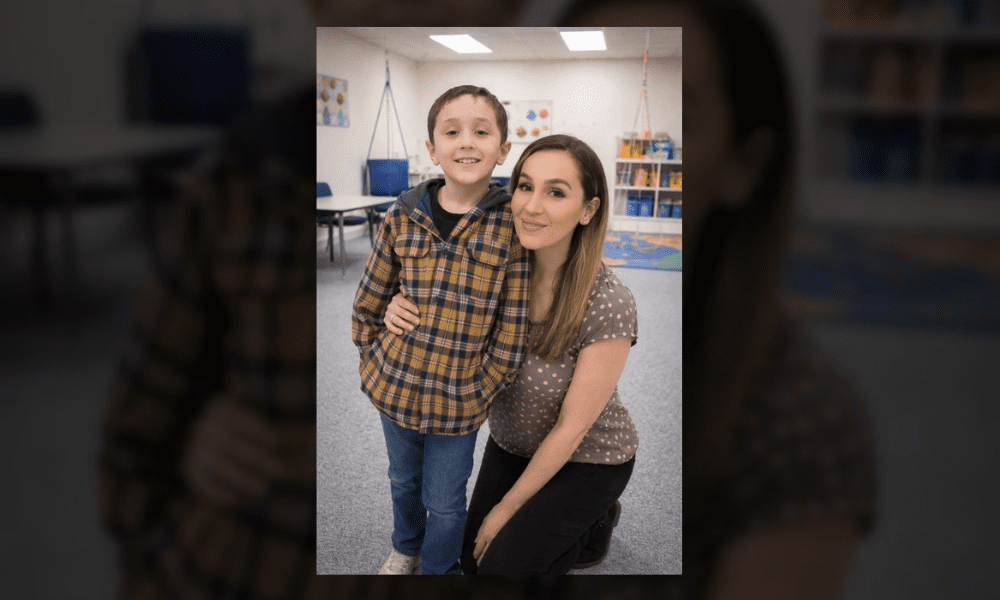
In Newnan, inside Rivertown Psychiatry, autism therapist Linda Heflin helps children and families thrive in a world that doesn’t always see them clearly. During Autism Acceptance Month, she hopes the conversation moves beyond recognition toward understanding, support, and celebrating the unique strengths of every child. “Awareness alone is not enough anymore. We have moved past just knowing autism exists. Rather than focusing on how to fix it, it is about understanding and acceptance. Kids with autism are not broken. They just experience the world differently.”
That perspective shapes her work as a Behavior Analyst specializing in ABA (Applied Behavioral Analysis) therapy, where the goal is not to change who a child is but to help them build skills to communicate, regulate emotions, and move through daily life with greater independence. A lot of what people see as problem behavior is really a communication gap. We help children learn what to do instead, how to ask, how to wait, and how to cope.” What can look like defiance is often a child trying to express a need without the tools to do so, and therapy focuses on breaking skills into manageable steps that build into meaningful, real-life progress.
Autism does not fit neatly into categories, and Heflin describes it as a range of strengths and challenges that look different for every child. “It is not high or low functioning. It is more like a sphere. A child can be strong in one area and need support in another. Every child is different, and that is why support has to be individualized.” As diagnoses increase and awareness grows, many families are still left navigating a complex and often overwhelming system. Heflin works to bridge that gap by collaborating with schools, teachers, and families so children can carry skills across environments. “Our clients cannot always advocate for themselves yet, and the system can be overwhelming even for adults. Without the right support, kids can fall through the cracks or be misunderstood. That is why collaboration and advocacy are so important.”
Traditional school settings can be especially challenging, with sensory overload, transitions, and unspoken expectations often leading to stress and misunderstood behaviors. For parents, staying engaged and maintaining consistent communication can make a meaningful difference. At the center of Heflin’s approach is a simple but powerful idea: “Behavior is communication. Most of the time, what people see as bad behavior is a child trying to tell you something. When you shift to understanding and compassion, everything changes.”
In a time when information about autism is everywhere but not always reliable, turning to trusted, research-based resources is essential. Helpful organizations and links include:
- NeuroVoices Network — support groups and community for neurodiverse individuals, particularly adults
Link: https://neurovoicesnetwork.com - Rivertown Psychiatry — ABA therapy, counseling, psychiatry, and diagnostic services in Newnan and Columbus
Link: https://rivertownpsychiatry.com - Georgia Department of Education — educational support and school-based resources
Link: https://www.gadoe.org - Babies Can’t Wait — early intervention services for infants and toddlers
Link: https://dph.georgia.gov/babies-cant-wait - National Autism Association — national advocacy, safety resources, and support tools
Link: https://nationalautismassociation.org - Autism Speaks — research, advocacy, and family toolkits
Link: https://www.autismspeaks.org
For Heflin, the work is deeply personal, shaped by her own child’s diagnosis and the progress she sees every day. “These kids are capable of so much when they are given the right support. Watching that growth is what gives me hope every single day.” With the right tools, support, and understanding, children with autism are not just navigating the world. They are teaching it to be more compassionate, more inclusive, and more appreciative of the many ways minds can thrive.






Leave a Comment
You must be logged in to post a comment.