


 12321
12321 3
3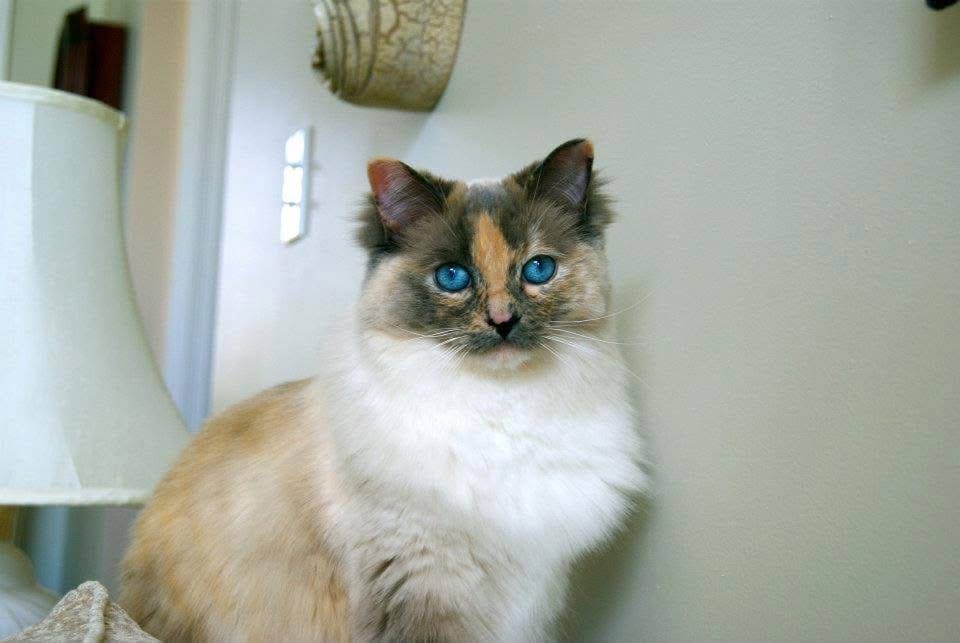
When Brian Jagt took his family’s 19-year-old cat, Annie, to Senoia Animal Hospital on February 14, 2025, he signed a euthanasia authorization, paid for the procedure and communal cremation, and left believing the cat his family had loved for nearly two decades would be humanely put to sleep.
Clinic records marked Annie as deceased that day.
But Annie wasn’t dead.
For approximately the next year and a half, the elderly ragdoll lived with a Senoia Animal Hospital employee and continued receiving veterinary care through the same clinic, according to medical records, interviews, photographs, and a Senoia Police Department report.
The Jagt family did not find out until July 2026, when veterinary technician Courtney Bassin — who happened to be a close friend of the family — took a job at the clinic and learned Annie was still alive.
By August, police were involved.
Annie was finally euthanized August 13, 2026.
That same morning, Bassin was fired.
Senoia Animal Hospital says the decision to keep Annie alive was made because a veterinarian determined euthanasia was not warranted. The clinic acknowledged in a statement that it “fell short in honoring the trust the family placed in us,” but said Bassin’s termination was unrelated to the Annie incident.
Bassin says she believes she was fired for telling the Jagts the truth.
A decision to let Annie go
The Jagt family had Annie since 2006.
“She has lived in every house we have ever lived in,” Tyler Jagt said. “I had her for 19 years, and we loved this cat more than anything.”
By early 2025, he said, Annie’s quality of life had deteriorated considerably. She was having difficulty jumping, trouble using the bathroom, was not eating normally, and had become disoriented in the home.
“She was meowing at the wall at night,” Jagt said. “She was disoriented in the house. She couldn’t remember where she was.”
The family decided it was time.
Tyler said he could not bring himself to take Annie to the appointment, so his father did.
Records provided to The Citizen show Annie was listed as deceased February 14, 2025. The account includes charges for euthanasia and communal cremation. A signed Senoia Animal Hospital euthanasia authorization dated that day identifies Annie and lists Kelly Alford, DVM, as the veterinarian.
Brian Jagt told police that Alford told him, “don’t worry, we will handle it.”
He left.
For the next 18 months, the family believed Annie was dead.
A chance discovery
Bassin had known Tyler Jagt and his family since 2020. Jagt had been in Bassin’s wedding party, and Bassin had known Annie while the cat was still living with the family.
In spring 2026, after moving out of Atlanta, Bassin began working at Senoia Animal Hospital.
She had been there only a few months when Tyler told her his aging German shepherd, King, might soon need to be euthanized. Bassin offered to be there when the family was ready.
She later mentioned the situation at work and told coworkers the Jagts had already endured losing Annie.
The reaction, she said, immediately seemed strange.
“It was the most awkward interaction I’ve ever had,” Bassin said.
According to Bassin, another employee then told her Annie was still alive.
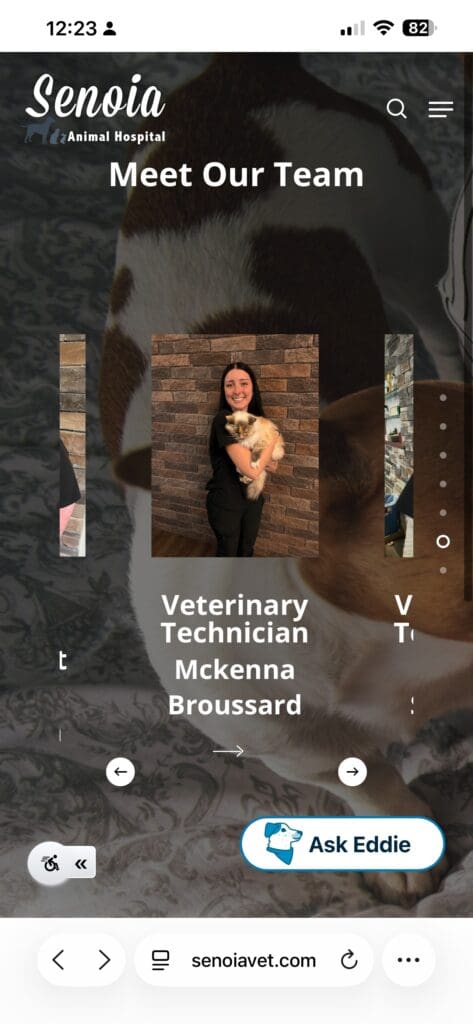
Bassin said McKenna Broussard, a clinic employee, had the cat.
She also said employees asked her not to tell the family.
Bassin began looking through clinic records and said she found Annie listed as deceased on the Jagt account while another record for the same cat appeared under Broussard’s account.
Tyler Jagt said the records used Annie’s same name, birth date, breed, color, and age.
Bassin also saw Annie herself.
The cat she remembered from the Jagt home was now coming into the clinic for treatment.
“I had known this cat,” Bassin said. “I had known Annie before.”
She eventually told Tyler.
“I don’t know how to tell you this, but Annie’s alive,” Tyler recalled Bassin telling him.
The family contacted police.
Police confront the clinic
Senoia Police Department Case No. 26-2688 began August 11 as a report of possible theft.
Detective James McCue reviewed the family’s documentation and also found a photograph on Senoia Animal Hospital’s website showing Broussard holding a cat that appeared to match Annie, according to his report.
McCue went to the hospital August 12.
According to the police report, Dr. Jill Phillips acknowledged Annie was living with Broussard and said the cat was doing well.
Phillips also told McCue that “it wasn’t meant as deception,” according to the report.
McCue then spoke with Alford and Broussard.
According to the police report, Alford said, “He was here for euthanasia, dropped off, so he wasn’t present and she wanted to try and save it.”
But Annie had not simply been spared euthanasia and left alone. Records supplied to The Citizen show she continued returning to the clinic for treatment after she had been marked deceased.
Tyler Jagt said there was not a single month during the approximately 18 months Annie remained alive that she did not receive treatment at the hospital. Her care included blood work, kidney monitoring, injections, and other veterinary treatment.
Bassin said she eventually became one of the employees treating Annie herself, including helping draw the cat’s blood.
That continuing care is part of why the Jagts reject the idea that Annie was simply given a second chance at life. They said they had chosen euthanasia because her health and quality of life had already deteriorated significantly.
In its later statement to The Citizen, Senoia Animal Hospital said the veterinarian examining Annie determined euthanasia was not warranted and that staff acted out of a desire to preserve the animal’s life.
But the clinic also acknowledged that the family had entrusted it with a different decision.
The hospital said it “fell short in honoring the trust the family placed in us” and said procedures have since been reinforced to ensure clients’ decisions concerning their animals are respected.
The Jagts say that whether employees believed they could prolong Annie’s life was beside the point.
The family had not surrendered her.
They had authorized her euthanasia.
“There is a documented process in which you go through when you’re surrendering an animal,” Tyler Jagt said. “We still wouldn’t have done that. We loved Annie, and we could afford to have poured endless dollars into trying to save her, but it wouldn’t have improved her quality of life.”
One last goodbye
The family ultimately asked for three things: that Annie be euthanized as originally agreed, that her body be returned rather than cremated, and that the clinic provide an apology.
The clinic also refunded the money the family had paid for Annie’s euthanasia and cremation.
Brian Jagt told police the family would not pursue charges if those conditions were met.
On August 13, Tyler went to the clinic to see Annie.
It was the first time he had seen her since his family said goodbye approximately 18 months earlier.
“She was smaller than I’d last seen her,” he said. “She was angry. She was hissing. She was confused.”
For most of her life, Tyler said, Annie had been the opposite.
“She was a calm, beautiful animal,” he said.
He said Annie did not appear to recognize him.
Tyler chose not to remain in the room for the euthanasia.
At approximately 8:30 a.m., the police report says, Phillips emerged from the hospital carrying what appeared to be an animal inside a blue bag. Brian Jagt received the bag along with a white envelope.
Tyler buried Annie in his yard later that day.
Afterward, one thought continued to trouble him.
“With whatever memory she had left, she thought we just abandoned her,” Jagt said in a later message to The Citizen. “That’s the part I cannot get over and that’s keeping me up at night — that she thought we just left her one day.”
The employee who told them was fired
While Annie’s death brought one part of the case to an end, another dispute was beginning.
Bassin arrived for work the morning of August 13 — the day after police confronted clinic employees about Annie.
She did not make it through the beginning of her shift.
The police report records that McCue encountered Bassin outside the clinic that morning and that she told him she had just been terminated.
Bassin recorded the termination conversation.
In the recording, an unidentified clinic representative initially offers Bassin the opportunity to resign, saying the clinic could then act as a reference.
Bassin asks why.
The speaker cites difficulty correcting her, a disagreement involving a patient’s blood work, and concerns about Bassin’s interactions with coworkers.
Bassin disputes the characterization.
“So I’m gathering you questioned everybody about me, and are using private texts,” Bassin says before adding that she believes they are being used to build a case to fire her.
The discussion then ends abruptly.
“You’re fired,” the clinic representative says. “Mary will walk you up to get your stuff. And I need your key, please.”
The entire recorded exchange lasts about two and a half minutes.
A subsequent separation notice also cites workplace issues, including an allegation that Bassin had called out 12 times. Bassin disputes that allegation and says she called out only twice and had medical documentation for both absences.
Bassin said the dispute continued after her firing. She said Senoia Animal Hospital reported to the Georgia Department of Labor that she had called out 12 times, a claim she disputes. Bassin said she had called out only twice and had medical documentation for both absences, and that the conflicting accounts have complicated her effort to receive unemployment benefits.
Senoia Animal Hospital denies that Bassin was fired because she disclosed what happened to Annie.
In its statement, the clinic said Bassin was terminated “for entirely independent reasons unrelated to this incident” and said hospital management “had no knowledge of her involvement with this situation.”
Bassin does not believe that explanation.
She said employees knew she was close to the Jagt family and that she had been pressured to remain silent after discovering Annie was alive.
“I knew whatever backlash I was going to face, it was worth being truthful and ethical,” Bassin said.
Tyler Jagt said his family had initially been prepared to accept Annie’s euthanasia, the refund, and an apology and move forward.
Bassin’s firing changed that.
“I think we have given them grace, and they have abused that,” Jagt said.
“She is the only person in that entire clinic who did the right thing after they all knew about it.”
No arrests
No one was arrested in connection with the case.
The Senoia police report lists the matter as “exceptionally cleared” rather than cleared by arrest after the clinic complied with the family’s requested resolution and the family declined at that time to pursue charges.
The Jagts have used words including theft, fraud, breach of contract, and animal cruelty to describe what happened. Those are the family’s characterizations; the police report does not show criminal charges being filed.
Senoia Animal Hospital maintains that employees were attempting to help Annie rather than deceive her family.
What is not disputed is the central sequence reflected in the records: the Jagts authorized and paid Senoia Animal Hospital to euthanize Annie in February 2025; the clinic marked her deceased; Annie remained alive and under the care of a clinic employee, repeatedly returning to the hospital for treatment; and the family learned the truth approximately 18 months later only after a friend took a job at the hospital.
For Tyler, the passage of those 18 months is what cannot be returned.
The family thought it had already said goodbye.
Instead, on August 13, they had to do it again.






Leave a Comment
You must be logged in to post a comment.