

 6499
6499 0
0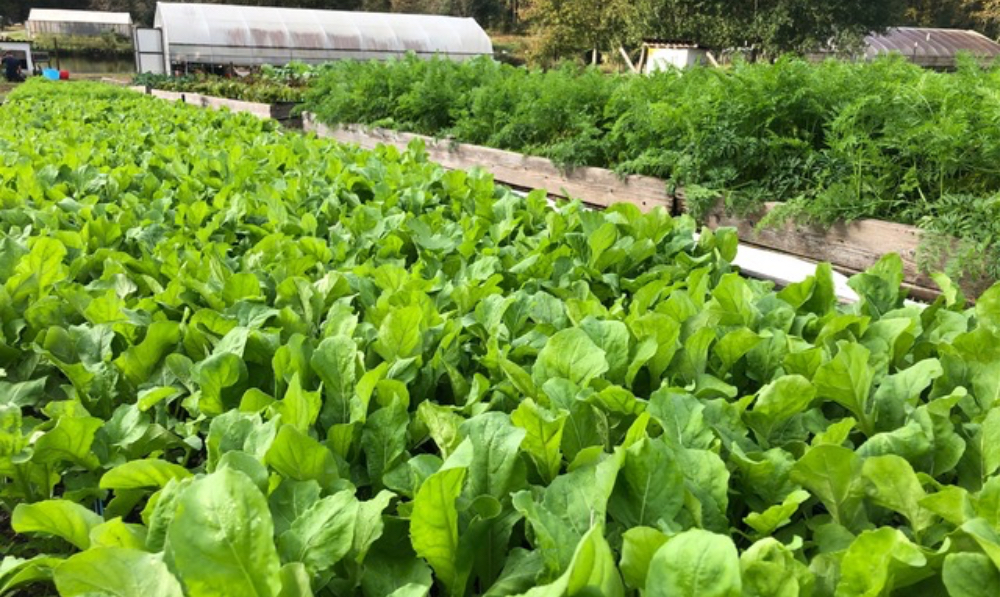
What’s Up, My Eaters!
I hope you’re all doing well. I’m so glad to be back with you this week—it’s been a wild one! I was in Miami visiting family and managed to stop by two of my all-time favorite seafood spots: King’s Seafood in Port Orange, FL (they ship!) and Heads or Tails in Hialeah, FL. If you’re ever on Florida’s east coast and love seafood, do yourself a favor and visit one of them. You won’t be disappointed.
But this week isn’t about Florida’s seafood. As promised, we’re wrapping up (for now) our conversation about shopping local with an interview from one of my favorite farms: 180 Degree Farm in Sharpsburg, GA.
Over the past few weeks, we’ve talked about why and how to shop local. Today, I want to introduce you to one of the many options available to you in our community.
🌱 Meet 180 Degree Farm
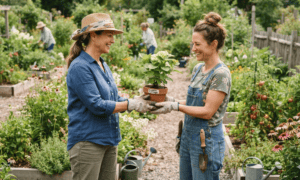
180 Degree Farm is a family-run nonprofit that’s been part of my life for years. I love their produce, eggs, and property, but what I admire most are the people behind it and the purpose they serve. They are open to the public Tuesdays and Saturdays from 9:30 – 1:00pm at 237 Emory Phillips Rd, Sharpsburg, GA 30277. They are also always looking for volunteers for those of you who have the inclination to help and learn while also getting your hands dirty. You can inquire in person or on their website. I recently had the chance to talk with their family, and here’s what they shared:
1. What inspired you to become a farmer? How did your journey begin?
Nicole (Executive Director/Mom): We started 180 Degree Farm as a 501(c)(3) nonprofit in 2009, a few years after our youngest son, Mason, was diagnosed with cancer. We couldn’t find clean (non-GMO, pesticide- and herbicide-free) food in our area, so we turned land we had purchased in 2006 into a farm to help feed cancer patients and our community.
2. What does a typical day look like on the farm?
Camron (Farm Manager/Eldest Son): No two days are the same. One day you’re harvesting, the next you’re planting. Rainy days are the least productive, but they still water the crops! Everything can change in an instant, so flexibility is key.
3. Why is it important to support local farmers and buy local food?
Nicole: Local farmers, especially those who grow their own food (not just resell), offer more nutrient-dense produce. We harvest the day of or just before market, which is crucial for cancer patients and others who need the highest-quality nutrition.
Scott (President/Dad): Supporting local farms strengthens our community and keeps money circulating locally. It also helps with food security. Did you know 32% of fresh vegetables and 55% of fresh fruits in the U.S. are imported? That’s risky. During COVID, demand for local food surged, proving how important resilient, local food systems are. Plus, local food is fresher, more sustainable, and lets you connect with the people who grow your food. That connection matters.
4. What’s something about farming most people don’t know?
Mason (Chef/Youngest Son): People often don’t understand the cultural value of small farms. You might visit looking for an ingredient, only to find it’s not available. Then you hit a grocery chain that has everything, and you wonder—why bother with the farm?
The answer is simple: culture. Farms aren’t just markets—they’re classrooms. Farmers should be teachers, sharing not just food but also ideas, recipes, and values. Our job isn’t just to sell food; it’s to build a food culture rooted in education and care.
5. Can you share a moment when you felt proud to be a farmer?
Nicole: I’m proudest of the community we’ve built. Our customers are thoughtful, encouraging, and always sharing knowledge—whether it’s recipes, detox tips, or health journeys. It’s a powerful network of hope.
6. How does working with the land shape your view of the world?
Mason: Growing up on a farm changed everything for me. Out here, I feel grounded—real. The restaurant world moves fast, and it’s easy to get swept away. But life on the farm reminds me to stop and appreciate things. It’s like a window that helps me see the culinary world more clearly.
7. What advice would you give to young people or families interested in farming or the local food movement?
Camron: We need more young people in farming. That fire, passion, and creative energy are so important. Yes, you’ll get muddy, sweaty, and sore—but when you look at the work you’ve done, it’s incredibly rewarding. Even when things go wrong (and they will), the victories are worth it.
Scott: Go for it—but go in with your eyes open. Farming is tough. It’s physically, emotionally, and financially demanding. But it’s also one of the most meaningful things you can do. You’re building community, healing the earth, and shaping a better future.
Start small: plant a garden, volunteer, or join a CSA. Make mistakes, learn, grow. We need more farmers to reduce our reliance on imports and strengthen local resilience. The food movement needs you.
💬 Final Thoughts
Eaters—“Connecting with the farm is a window.” That line from Mason stuck with me, and I hope it resonates with you too.
Convenience has its place. I’m grateful for grocery stores and Amazon Prime like everybody else. But when you have the choice to support your neighbor and your community—choose local.
Let’s not just buy food—let’s invest in people, places, and purpose.As always, feel free to reach out with any questions. And come see me or the team every Saturday at the Peachtree City Farmers Market. We’d love to connect with you.


Leave a Comment
You must be logged in to post a comment.