


 2342
2342 0
0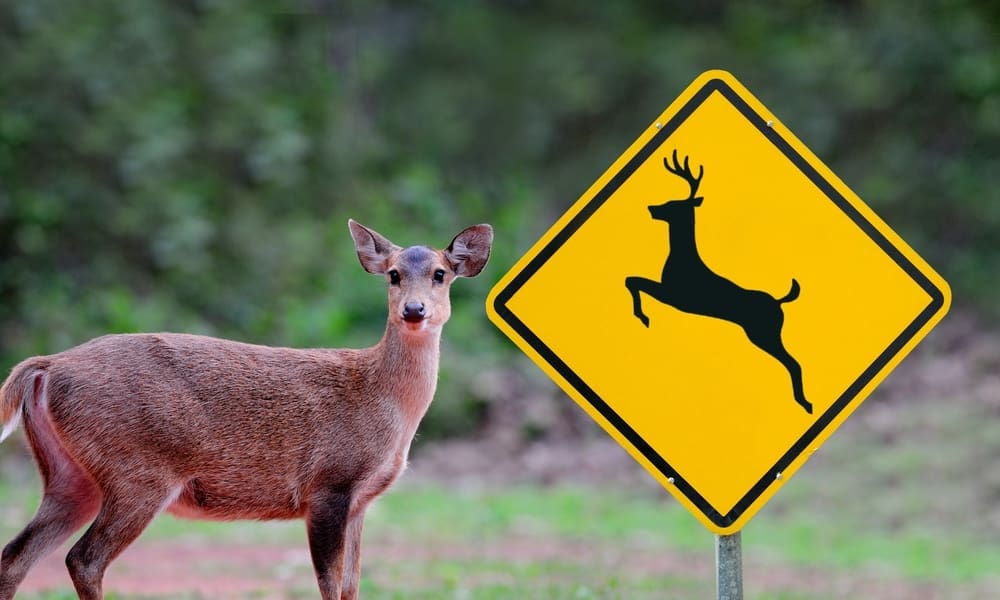
It is a good bet you have had a close encounter with a deer, if you have lived in Georgia for a while! During my 21 years in Peachtree City, I hit a deer once in my car at dawn, and had a deer run into the side of my golf cart one evening. Both accidents occurred in the late fall and both resulted in damage to the vehicles.
November, October, and December (in that order) are the most dangerous months for deer accidents in Georgia. State Farm has determined that drivers in Georgia have a 1 in 108 chance of hitting a deer during this time frame. Changing habits of deer in the autumn months present a heightened risk for drivers, but understanding these behaviors and how to react can prevent more accidents on the road.
You will notice increased deer movement during the fall “rut” (mating season) that happens from October through December. Hormonal changes in the bucks make them more active and less cautious, as they search for female deer to mate, often ranging miles outside their usual territory. Focused on the rut, and competing with other rivals, bucks exhibit more erratic behavior and may dart out in front of you without warning.
Peak activity time for deer movement is at dawn and dusk, often when people are commuting to and from work. The combination of erratic rutting behavior and reduced visibility at night is a recipe for more accidents that can result in property damage or injuries, even death.
Tips to Avoid Deer:
- Be particularly alert during the fall months, especially at dawn and dusk when deer are most active.
- Use the high beams on your vehicle when possible to better illuminate the road and surrounding areas.
- Heed the warning of deer crossing signs, placed where there is known deer traffic.
- When driving in rural or wooded areas, keep scanning the roadway and surrounding landscape for deer.
- Deer often travel in groups. If you see one deer, slow down and watch for others.
- If you see a deer suddenly and a collision is imminent, apply your brakes firmly but do not swerve. Swerving out of the path of the deer may cause a more serious accident involving other cars, trees or other objects.
What to Do If You Hit a Deer:
- Move your vehicle off the road if possible and turn on your hazard lights. Check to make sure all passengers are okay and safe.
- Contact local law enforcement to report the accident, especially if there is any damage to the vehicle. An official report is often needed for an insurance claim. The police can also contact the appropriate department to handle the deer. Document any vehicle damage with photos.
- Do not approach the deer. A frightened or injured deer can be unpredictable and even dangerous.
- Contact your insurance agency if you have a claim.
Local contacts for Peachtree City:
For emergencies: Call 911.
For non-emergency situations (no injuries but a report is needed for insurance purposes or the deer needs to be removed from the road) call the PTC Police non-emergency dispatch at 770-461-4357.
For general information about sick or injured wildlife, contact the Georgia Department of Natural Resources (DNR) at 1-800-366-2661.





Leave a Comment
You must be logged in to post a comment.