


 2835
2835 2
2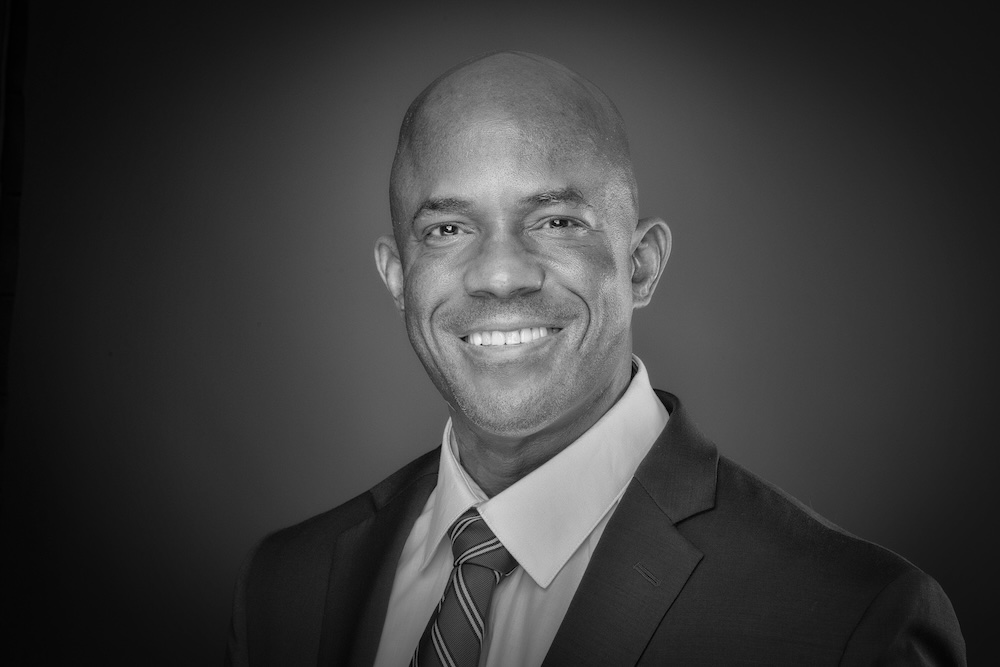
On July 28, New York City saw tragedy unfold at 345 Park Avenue, home to some of the most powerful organizations in the world — the NFL, Blackstone, and others. A gunman wearing body armor and carrying an assault rifle opened fire, killing four people and injuring others before taking his own life. Inside the building, terrified employees barricaded doors with furniture and huddled in offices, waiting for rescue.

One photo from that day went viral: Blackstone employees desperately stacking couches and tables to block an office door. It was a haunting picture of human instinct, but also a reminder of what happens when people have no practiced plan. In the absence of training, they improvised with furniture. It might have slowed an attacker, but it wasn’t a strategy. It was desperation.
This tragedy should serve as a wake-up call, not just for corporate skyscrapers in Manhattan, but for every business in our community. Emergencies don’t wait until you’re ready. In the absence of a practiced plan, people will become confused about their next steps.
The Duty of Care
Whether you run a billion-dollar firm or a ten-person shop on Main Street, you owe your people a duty of care. That duty doesn’t end with payroll and benefits. It includes the responsibility to prepare them for the unthinkable: an armed assailant, an act of workplace violence, a fire, or even a natural disaster.
And if you think it can’t happen here, consider this: New York has some of the strictest gun laws in the nation. Yet the attacker was able to walk down a Manhattan street with a rifle openly exposed, enter a high-profile building, and carry out his attack. If it can happen there, it can happen anywhere. Hoping “it won’t happen here” is not a plan.
Why the First Five Minutes Matter
The first five minutes of a crisis decide everything. When fear hits, the body unleashes a chemical cocktail of epinephrine, cortisol, and other and hormones that clouds judgment and often causes people to freeze. Without a plan, paralysis takes over. With even a basic, practiced Emergency Action Plan (EAP), those same five minutes can become the difference between chaos and survival.
Small Businesses, Big Risks
For small and mid-sized businesses, the risks are even greater than for large corporations. No security staff. No dedicated crisis team. Limited resources. That’s why an Emergency Action Plan (EAP) isn’t optional — it’s survival. Write it, share it, practice it.
Liability, Cost, and Continuity
The absence of an EAP doesn’t just put lives at risk, it puts businesses themselves in jeopardy. After a crisis, companies without plans can face lawsuits, OSHA violations, skyrocketing insurance premiums, or even permanent closure. On the other hand, businesses with a documented, rehearsed plan can demonstrate diligence, reduce liability, and recover faster. In today’s world, preparedness is not just a safety issue, it’s a financial one.
Practice Replaces Panic
Rehearsing even a basic lockdown or evacuation drill can make a life-or-death difference. Training gives people muscle memory that cuts through the fog of panic. It turns “What do we do?” into “We know what to do.” In a crisis, that shift can save lives.
Beyond Survival: Business Continuity & Reputation
How a business owner plans for, and responds to a crisis, shapes its reputation for years. Employees will remember whether leadership had a plan or left them to fend for themselves — and so will clients and the community. Preparedness protects more than lives; it protects trust, loyalty, and your future. Leaders who act earn respect. Leaders who don’t risk losing it all.
A Call to Action
No one expects small and mid-sized businesses to operate like a government agency. But every business owner can set aside the time to create and rehearse a simple Emergency Action Plan — a roadmap for what to do in those first critical moments. Write it. Share it. Practice it. Because without a plan, people will be left confused and paralyzed by fear — and those first five minutes will decide everything.
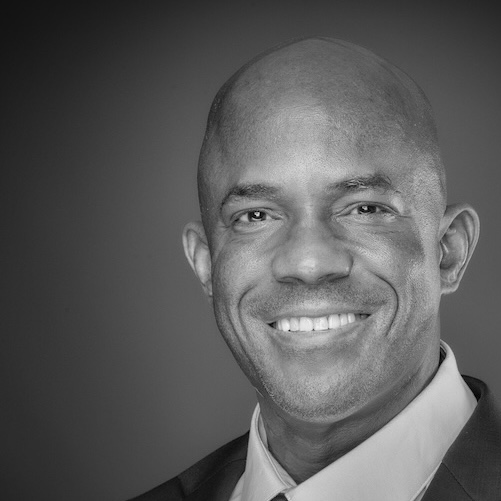
*Lance Guillory is a security consultant, retired federal agent, and former Green Beret. He helps small and mid-sized businesses protect their people, property, and reputations through customized security assessments and emergency planning.*





Leave a Comment
You must be logged in to post a comment.