


 2283
2283 0
0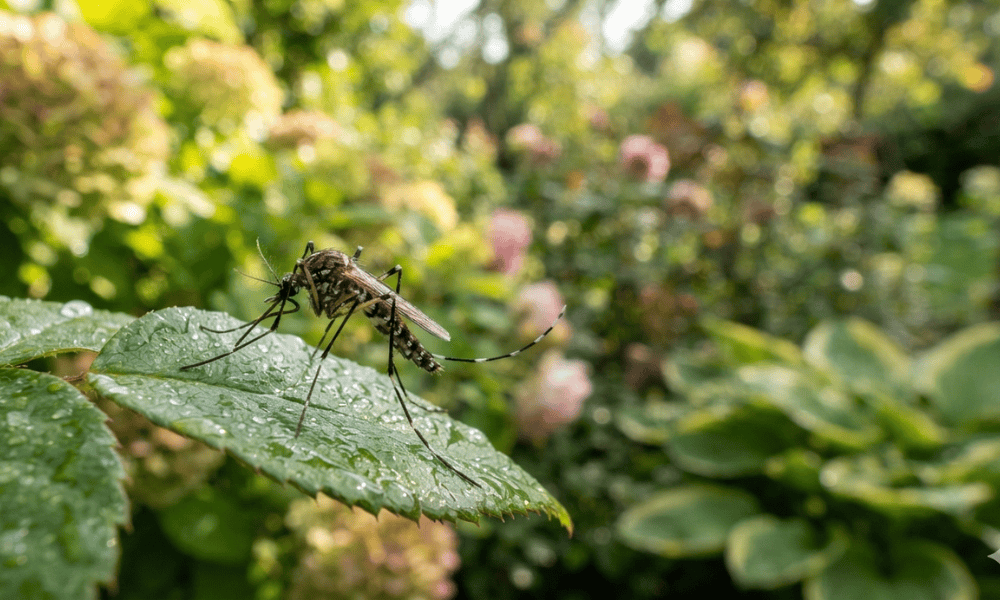
Summer brings longer days, warm evenings, and the unwelcome arrival of mosquitoes. Beyond causing relentless itching, these pests can carry diseases like West Nile virus. While severe infection from West Nile is rare and typically results in mild flu-like symptoms at worst, keeping mosquitoes away is vital for both comfort and health.
Protecting yourself requires a dual approach: shielding your skin outdoors and making your yard entirely inhospitable to breeding. Here is a safe, science-backed guide to reclaiming your outdoor spaces.
What you wear and how you prep your body plays a massive role in whether you look like a good snack to a mosquito. Mosquitoes are naturally drawn to sweat and higher body temperatures. Try to plan your outdoor activities for the cooler morning hours before it gets too hot and humid, or take the time to wash off sweat to help reduce the potential of bites. Some studies have even suggested that mosquitoes especially enjoy individuals with O Positive blood type!
Mosquitoes are attracted to clothing in dark hues and can easily bite through tight yoga pants or thin shirts. Wear loose-fitting, light-colored long sleeves and pants to create a physical gap. Treat outer clothing, camping gear, or mosquito netting with 0.5% permethrin clothing spray. This specialized clothing insecticide binds tightly to fabric, repelling pests instantly and will survive multiple washes.
Personal skin protection starts with choosing the right bug spray defense. You can opt for highly effective synthetic ingredients or proven, plant-based natural oils.
Synthetic Defenses: The Environmental Protection Agency (EPA) and CDC thoroughly vet synthetic ingredients for safety and effectiveness. DEET is considered the gold standard for mosquito protection, but you should avoid unnecessary chemical exposure by sticking to concentrations of 25% or lower. Higher percentages do not offer stronger protection; they simply last longer.
Picaridin is a synthetic compound modeled after a chemical found in black pepper. It offers excellent, clean protection without a greasy residue. IR3535 (like Avon Skin So Soft) is a synthetic amino acid often found in family-friendly products. It provides solid defense but can cause temporary eye irritation if accidentally sprayed in the face.
Natural Alternatives: If you prefer to avoid synthetic chemicals, several natural options provide strong protection, according to various lab studies. Oil of Lemon Eucalyptus (OLE) is a highly effective, refined plant-based alternative. Note: Never use OLE on children under 3 years old. Catnip oil can be effective at repelling mosquitoes, as well as thyme and garlic oils. Thyme diluted essential oils provide long-lasting protection, while diluted garlic oil applied to the skin acts as a moderate repellent. (Note: Eating garlic will not keep bugs away but may repel your guests!)
Geraniol (extracted from plants like bee balm) is highly repellent and serves as the active ingredient in many commercial natural sprays, often blended with witch hazel. I love the feel and scent of witch hazel on my skin and use this alternative alone many times. Apple cider vinegar, diluted and rubbed on your skin can help repel insects and according to some, consuming apple cider regularly in foods or drink can alter your body odor to naturally deter pests! When applying any of these methods to your skin, always apply sunscreen first, let dry and then add the insect repellent of choice over the sunscreen.
Evict the Critters from Your Yard! You cannot completely enjoy your yard if it acts as a mosquito nursery. Mosquitoes need standing water to breed, and eggs can hatch in just a few days. Take a weekly walk around your property to eliminate common breeding grounds including empty flower pots, saucers, buckets, old cans, and plastic toys.
Change out the water in birdbaths at least once a week during the summer, and keep pool covers tightly drained. If you have a permanent pond, like I do, it is a bonus! Ponds attract dragonflies, which are major natural mosquito predators. And speaking of natural predators… Hang a bat house on one of your trees and watch mosquitoes disappear. A single brown bat can eat hundreds of mosquitoes in just one hour.
Clear out clogged roof gutters, fix leaky outdoor faucets, and ensure tarps covering boats or woodpiles are not pooling water
Plant a garden that will deter pests. Herbs such as basil, lime basil, thyme, catnip, and coriander, planted near the area where you like to sit, are effective deterrents. Crushing these leaves and rubbing them on your skin provides a quick boost of localized protection.
Citronella candles placed around your patio space are not proven to be highly effective on their own, though the smoke itself can offer minor deterrence. Instead, rely on moving air with fans. Mosquitoes are weak fliers, so pointing a high-speed box fan or oscillating fan directly at your seating area creates a force field they cannot penetrate.
If a mosquito manages to bite you, (and they will) do not scratch it, as scratching actively worsens the inflammation and risks infection. Instead, manage the itch safely with these steps:
- Wash the area immediately with soap and water.
- Apply an ice pack for ten minutes to constrict blood vessels and reduce swelling.
- Dab white vinegar of hydrocortisone cream on the area.
- Mix a baking soda paste, using one tablespoon of baking soda and a little water and leave on bit for about ten minutes before washing off.
Following these suggestions and be ready to enjoy your outside space this summer!








Leave a Comment
You must be logged in to post a comment.