


 736
736 0
0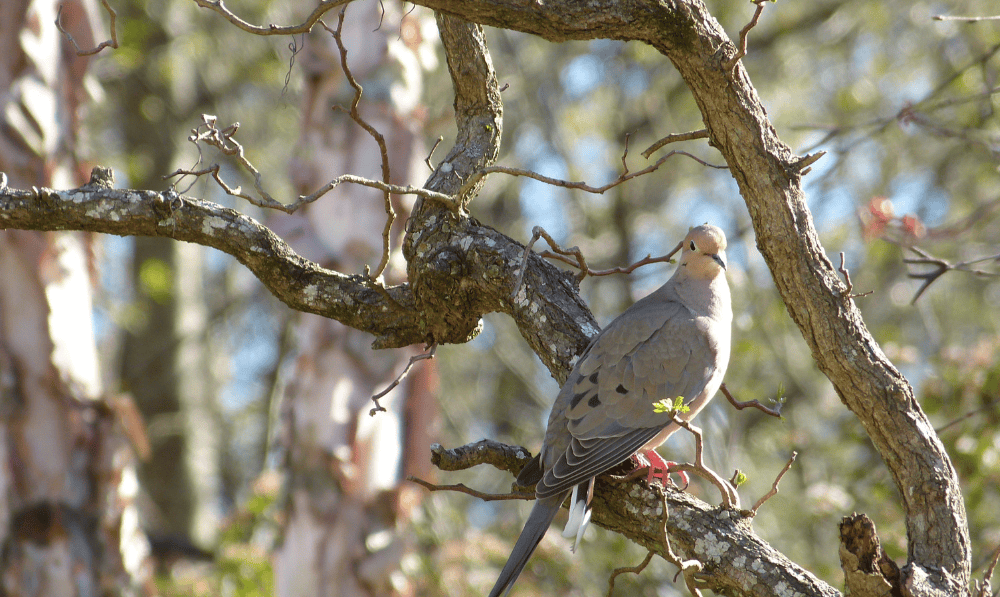
Is a garden really a garden without birds, butterflies and other small wildlife? Critters add movement, color, sound and entertainment to our garden experience. And, as more and more of our open spaces become urbanized, homeowners understand it is important to provide spaces for wildlife to live and thrive. (No, I am not talking about deer. The white-tailed deer is thriving without our help, and I do what I can to deter them from my garden!) But why not make a place for smaller critters that are beneficial to the garden?
For many years the National Wildlife Federation has encouraged homeowners to garden for wildlife and have their gardens certified as backyard wildlife habitats. Creating a haven for wildlife is a fun project for the whole family and will get everyone outside while learning to appreciate the wonders of nature. It’s not hard to get started catering to critters. To attract a variety of wildlife to your garden, you need to provide some basics: food, cover, water and nesting sites.
Here are ten tips to get started bringing nature into your garden.
- Use more native plants: The more diverse your garden plantings are, the more wildlife you will attract. Native plants are adapted to our environment and better able to support the nutritional needs of native wildlife. Native plants generally need less supplemental water to survive and can more easily handle pests, making garden maintenance less stressful. The Georgia Native Plant Society (gnps.org) can provide information on the best native plants to support wildlife.
- Provide shelter with a variety of trees, dense shrubs and birdhouses: A botanist once told me that if you do one thing to support wildlife in your garden, plant a native oak tree (Querus). According to research, native oaks support the needs (food, cover and nesting) of more wildlife than any other tree.
- Enhance food options for wildlife with fruit-bearing trees and shrubs: Beside providing cover and nesting sites, fruit-bearing plants, such as American holly (Ilex opaca), American beautyberry (Callicarpa Americana), native dogwood (Cornus florida) and blueberry shrubs provide a rich buffet of berries and nuts for wildlife to enjoy. Add a bird feeder or two near a window so you can observe the action all year long as birds scamper for seeds.
- Put in a water feature or add a bird bath: Not only is the sound and movement of water an attractive focal point in the garden, but water provides a basic need of wildlife. If you can’t afford a pond, add a fountain, bird bath or even a deep dish filled with fresh water. It is fun to watch the birds and chipmunks drink and splash in the water!
- Select perennials with pollinators in mind: If you want to attract butterflies, bees, hummingbirds and other pollinators to your garden, then plant the flowers they love. Pollinators are attracted to flowers with bright colors (red, purple, orange and yellow) and strong scents. Many of our native perennials are the perfect lure for pollinators and will also provide you with a pleasing bed of colorful, fragrant blooms to enjoy well into the fall. (An added bonus is that deer don’t like many of the flowers and herbs pollinators love).
Some plants to consider are black-eyed Susan (Rudbeckia hirta), butterfly bush (Buddleia davidii), ironweed (Vernonia baldwinii), Joe-Pye weed (Eupatorium purpureum), coneflower (Echinacea), blazing star (Liatris), New England aster (Aster novae-angliae), lantana and zinnia.
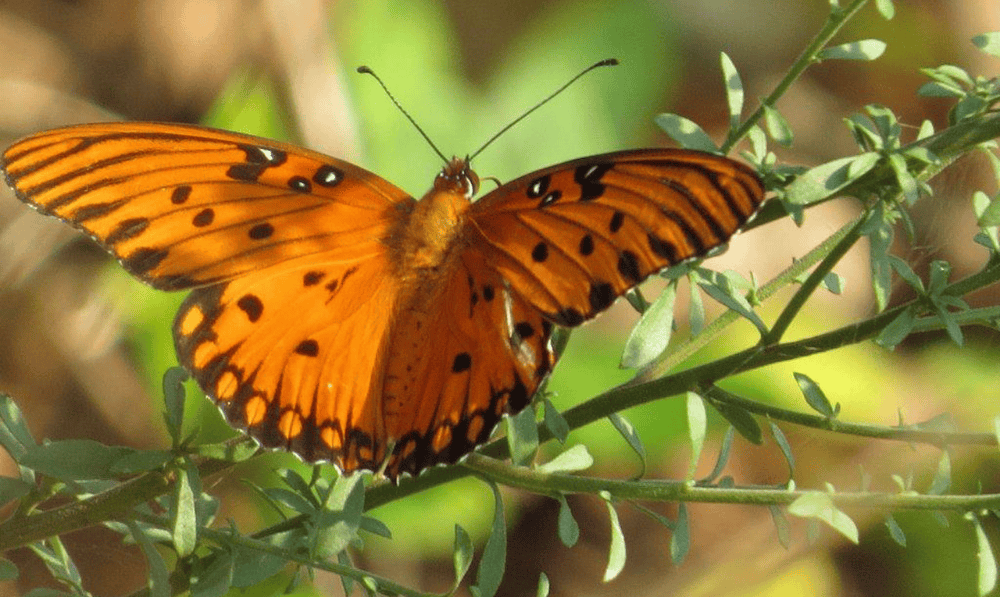
Don’t forget to add some “host” plants as a food source for emerging caterpillars. Specific species of butterflies will look for specific host plants on which to lay their eggs. Monarchs need milkweeds (Asclepias spp.) as hosts. The gulf fritillary scouts for passionflowers (Passiflora), and the spicebush swallowtail, as its name implies, needs the spicebush (Lindera benzoin). So if there is a particular butterfly you want to attract, make sure you have planted that butterfly’s preferred host plants!
- Plant a wildflower meadow: Cut back on the size of your lawn and cut back on your yard maintenance! Why not dedicate an area of the garden to a natural wildflower meadow! Not only will it be a spectacular focal point when in bloom, but it will attract a variety of wildlife. Check out BBB Seed (bbb.seed.com) for a wildflower seed mix for the Southeast.
- Leave a dead tree to attract woodpeckers, owls and insects: Jerry Franklin, a forestry ecologist says, “A dead tree is more alive than a live tree…alive with critters, from large to small, that is!” Called “snags,” standing dead trees provide shelter and nesting for a variety of birds and mammals. Make sure the snag is secure in the ground and not in danger of falling.
- Cut back or skip pesticide usage: The overuse of pesticides is one of the biggest problems facing wildlife and the health of our environment. Use a light hand when administering pesticides in your garden or discontinue the practice altogether if possible.
- Put up a bat house: If you attract bats to your garden, you will dramatically reduce the population of mosquitoes and ticks! Bats also help pollinate plants and disperse seeds.
- Keep cats inside: Cats are natural hunters, and it is estimated they kill millions of birds and other small mammals in the U.S. each year.
For more information on certifying your garden as a Backyard Wildlife Habitat, go to nwf.org.




Leave a Comment
You must be logged in to post a comment.