


 2379
2379 0
0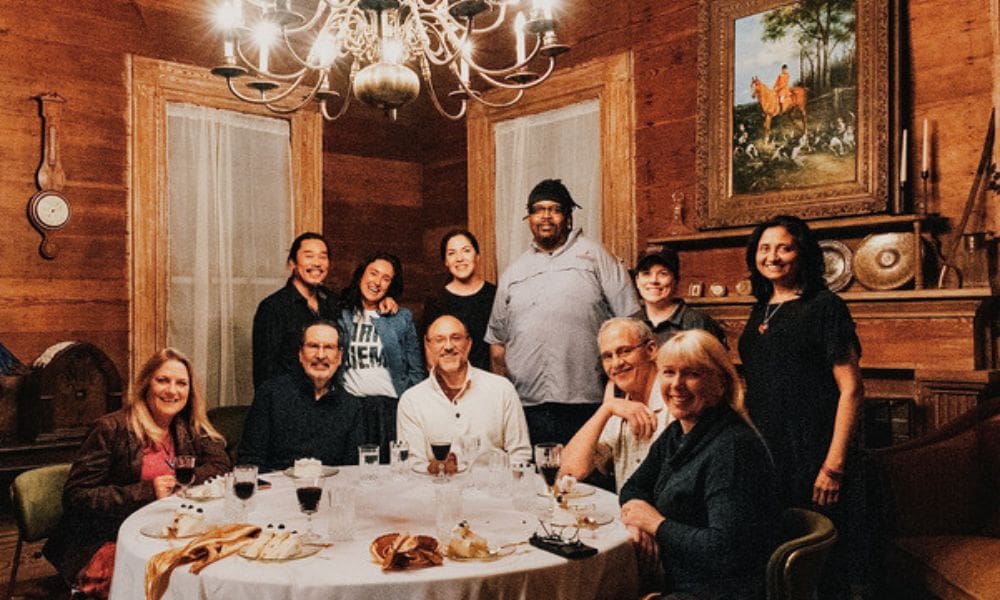
What’s up, my Eaters! I hope you all are doing well. I’m doing great over here—although pollenpocalypse has officially settled in. If your household is anything like mine right now, you understand exactly what I mean.
This week, I want to continue our conversation about supper clubs. I want to share a bit about Plate & Platter’s most recent experience.
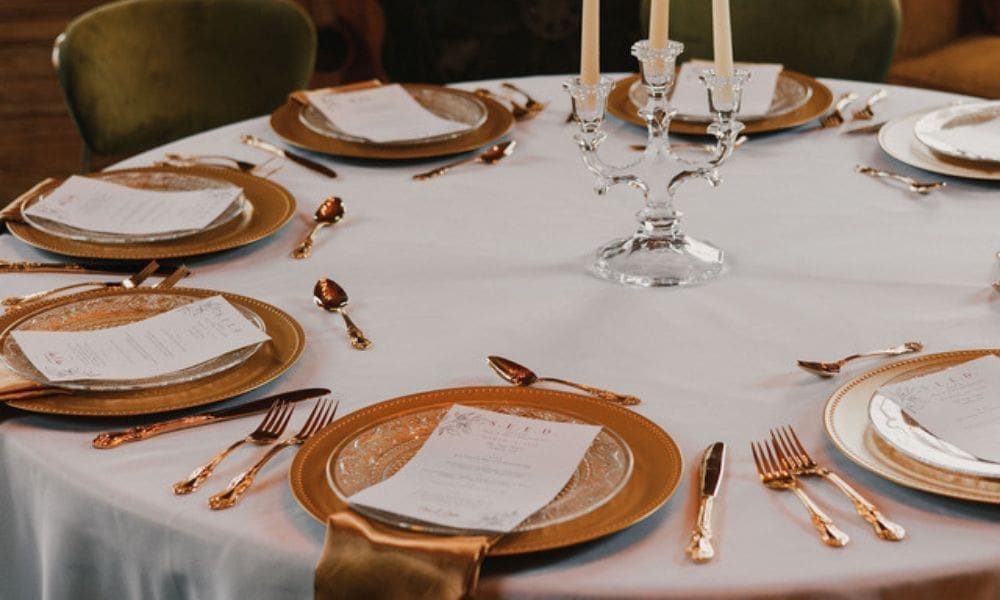
Every other month, my good friend Jason Bass and I partner for what he calls S.E.E.D—Select Entrepreneurs Eating Dinner. It’s an opportunity for ten entrepreneurs to gather, break bread, and step into a moment that’s completely separate from their day-to-day grind.
What I’ve come to appreciate about these evenings is that they start one way and almost always end another.
More often than not, people arrive as strangers.
And somewhere along the way, they leave as friends.
They’re bonded by something simple, but powerful—intimate conversation, shared experience, and a meal that creates space for both.
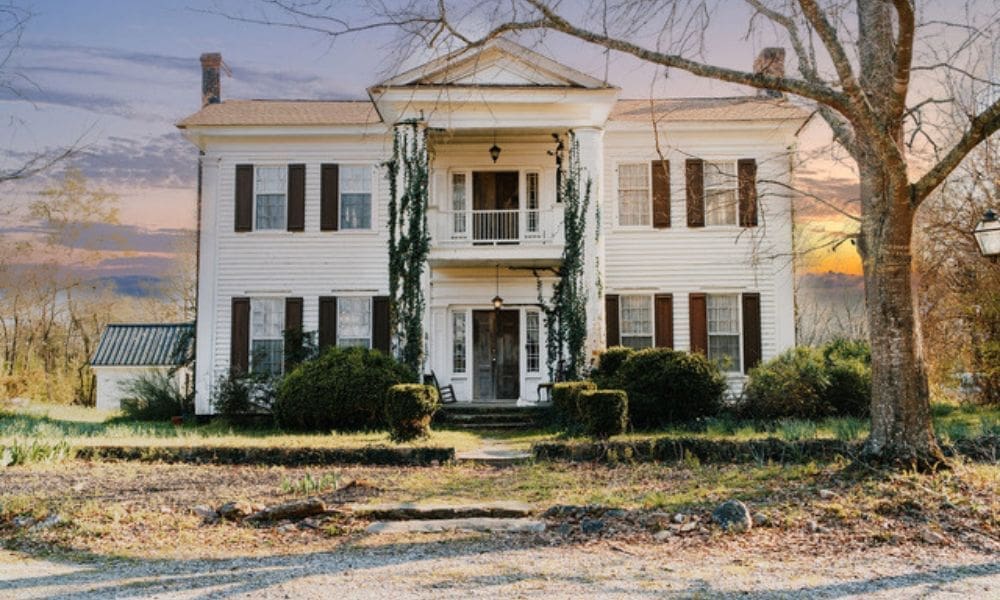
For this dinner, we partnered with Judy Baty of The Page House—an antebellum home in Senoia that dates back to 1809.
When Jason and I were scouting venues, something interesting happened. Without even saying it out loud, we both knew almost immediately that we could create something special there.
There was just a feeling about it.
So we didn’t overthink it.
We booked it.
After we left, I began contemplating the theme and menu for the evening. I kept coming back to the immediate sense of history I felt the moment we pulled onto the property.
There was something familiar about it.
The rooms. The layout. The structure of the house.
It all felt like something I had seen before—scenes reminiscent of Civil War and slavery-era films I’ve watched over the years.
And that led me to a deeper question.
What did Senoia—what did Georgia—look like in 1809, over 200 years ago, when this house is believed to have been built?
And as I sat with that question, my mind didn’t go to the architecture first.
It went to the people.
Because homes like that didn’t just appear.
They were built.
By hands.
Hands that were often overlooked, unnamed, and uncredited—but hands that carried knowledge, skill, and tradition across oceans.
Some of these hands belonged to the Gullah Geechee people—West Africans who were brought to the southeastern coast of this country, in part for their expertise in agriculture, particularly in rice cultivation.
America’s rice belt stretched from the coastal marshes of the Carolinas down to northern Florida. Plantation owners were struggling, facing significant losses because they had not yet learned how to cultivate and sustain rice in this landscape.
Those losses quickly turned into gains.
Through their knowledge and expertise, the Gullah Geechee people transformed rice into one of the South’s leading cash crops, generating immense wealth for plantation owners.
But what they brought with them extended far beyond agriculture.
They carried culture. Technique. Flavor. Innovation.
And that influence has endured—shaping American cuisine in ways that still show up on our tables today.
Eaters! If you love collard greens and cornbread, black-eyed peas and candied yams, Lowcountry blue crab, gumbo, jambalaya—anything rooted in soul food, Cajun, or Creole cooking—you have the Gullah Geechee to thank.
And as I sat with all of that, I began to feel a sense of frustration.
Because the level of influence these people have had on American cuisine is formative. It’s foundational. And yet, it’s largely unrecognized.
You don’t hear about them in school.
There are no holidays in their honor.
Their names rarely come up in conversation.
And even if you want to learn something substantial about them, you have to go looking for it.
That’s true even here—in the Carolinas, in Georgia, in Florida—places where their impact is woven into the very fabric of the food.
And that’s hard to sit with.
Can you imagine building something… teaching something… shaping an entire system… making people wealthy—literally saving the day—and then having your name erased from the story?
In my opinion, it stands as one of the greatest injustices in American and culinary history.
And as I wrestled with that, I knew the menu couldn’t just be about flavor.
It had to be about acknowledgment.
About intention.
About telling a story—whether spoken or not.
So the menu for the evening was built around that idea. Familiar ingredients. Deeply rooted flavors. Dishes that felt connected to the land, to the region, and to the people who shaped it—whether their names were remembered or not.
The menu for the evening was something special.
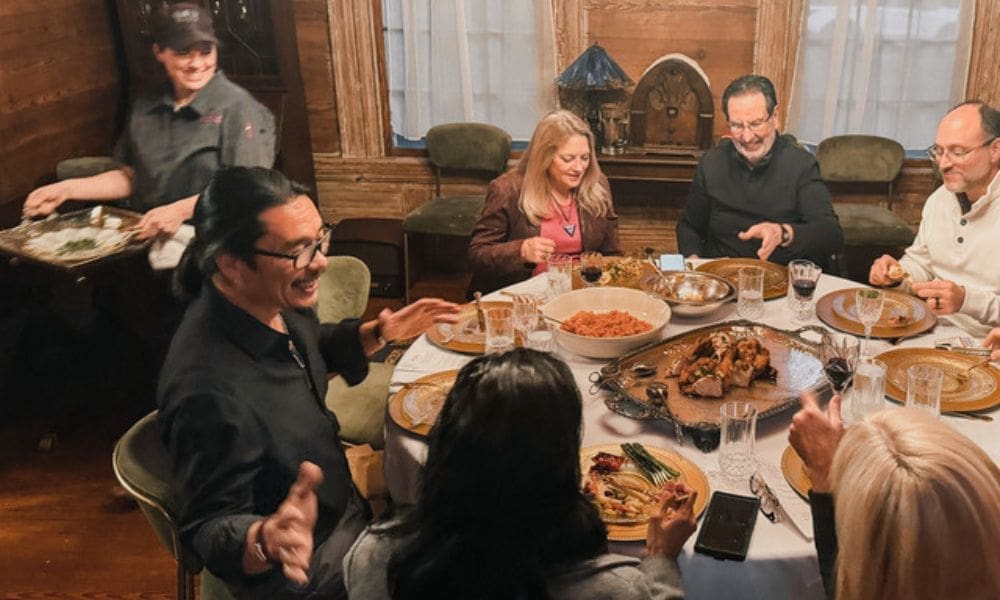
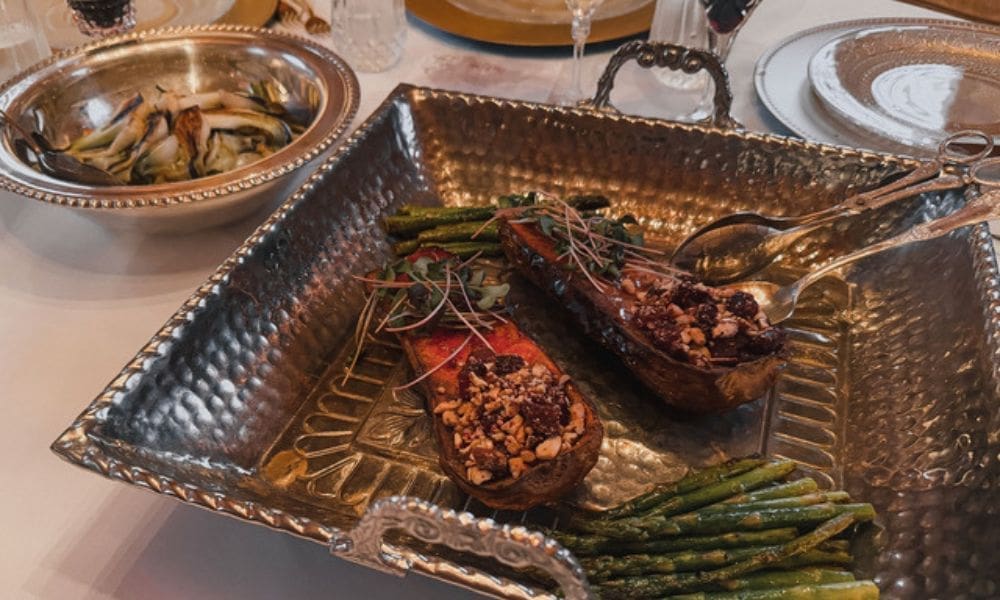
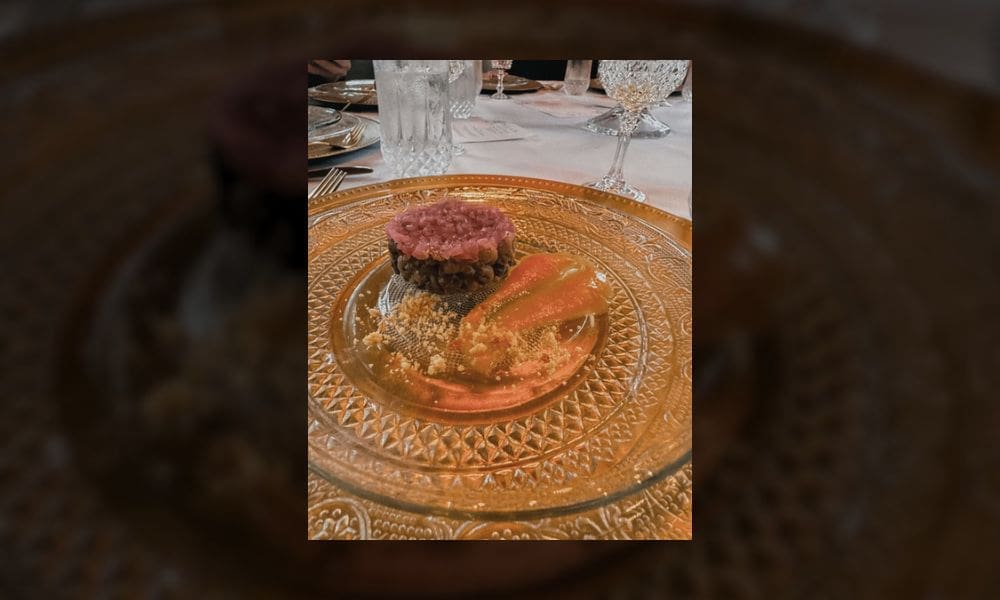
We opened with Blue Crab Heavenly Eggs, finished with Alo Farms microgreens and a Lowcountry spice oil.
That was followed by a black-eyed pea and mountain grain salad—layered with pickled red onion, sweet potato cream, and cornbread.
For the main course, country-roasted chicken was served alongside Gullah Geechee red rice and braised cabbage with charred green onions.
For dessert, Judy blessed us with an incredible lemon blueberry cheesecake.
And to close the evening, I sent everyone home with authentic Gullah Geechee benne cookies.
The night felt serendipitous to me.
There I was—the host, the attraction—in a home just like the ones so many Gullah Geechee people labored and died for.
But on that night, they were not invisible.
They were acknowledged.
They were honored.
They were revered.
And I don’t take that lightly.
I was—and still am—committed to giving the Gullah Geechee a voice.
Although the venue was special, the food was delicious, and the mix of people in the room was just right, the highlight of the evening for me came at the very end.
The meal had been served.
The story had been told.
The people were full.
And I found myself at the back of the room, sitting on a couch, talking to Jessica.
Prior to that night, we had never met.
But earlier in the evening, she had already stood out to me. She was the only guest who was familiar with who the Gullah Geechee were.
And then we found ourselves in one of those moments.
The kind where the room fades away.
The chatter softens.
And for a moment, it’s just two people, fully present.
I learned that we were both from New Jersey, with ties to South Florida and Montana.
I learned that we both love to travel—and that we’re both suckers for a natural hot spring.
I learned that she owns Peach State Dragon Boat Academy.
I fed her well. She was happy.
And now, we were bonding—over shared experiences, mutual understanding, and a moment neither of us expected.
She was a middle-aged white woman.
I am a middle-aged Black man.
And there we were—sitting on a couch in a 200-year-old plantation home—eating, sharing, and laughing together.
This is why I love supper clubs.
Eaters, until next time. Also remember you can see me or my team every Saturday at the Peachtree City Farmer Market.


Leave a Comment
You must be logged in to post a comment.