

 4060
4060 0
0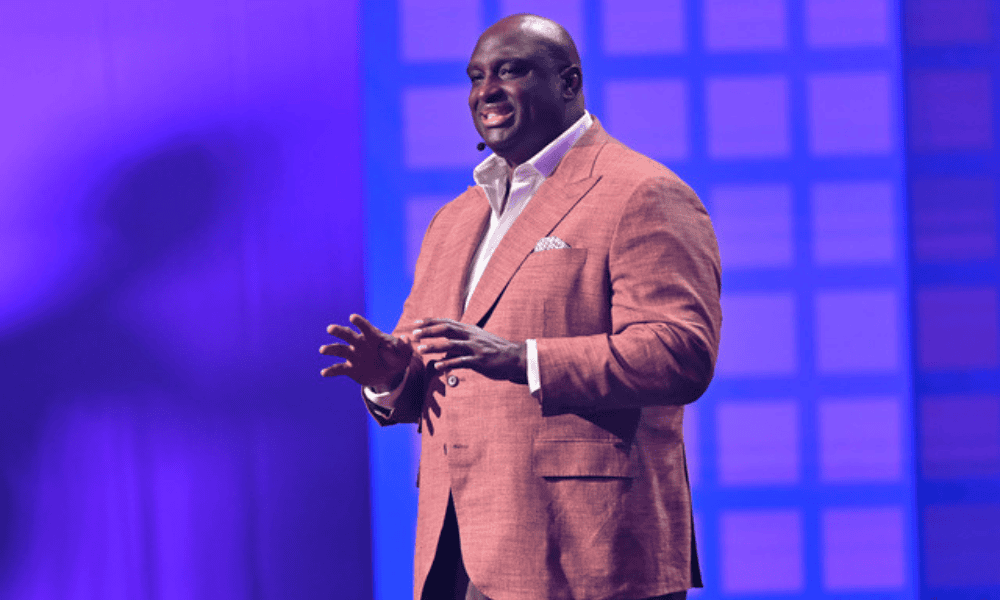
By Rodney Bullard, Founder and CEO of The Same House
Fayette County has become one of the fastest-growing parts of metro Atlanta, with the city of Fayetteville growing nearly 10% since 2020. With this growth, we have seen major investments arrive at a pace few communities this size have ever had to manage. Now, the city is left with one question: Who will actually benefit from this growth?
I have spent years watching how communities across metro Atlanta and beyond respond when growth like this shows up on their doorstep. What I’ve seen, time and time again, is that when residents are invited to be a part of the process, everyone wins. The relationship starts on solid footing instead of having to be repaired later, and community members continue to show up because they are invested in the outcome. Instead of being something that simply happened, growth is a mutual process owned by the people it is meant to serve.
Fayetteville has an opportunity that most communities facing growth on this scale never get, which is the chance to get ahead of it rather than spend the next decade trying to catch up. City and county leaders have said they want this community to be a model for how these large-scale projects can benefit the people who already live here.
At The Same House, we exist to serve as a bridge in moments like this one. We are a public benefit company, founded in Atlanta and guided by Congressman John Lewis’ vision that “We are one community, one family, living under the same house.” By focusing on increasing access to capital, decision-makers, and resources, we help local stakeholders expand their initiatives and sustain long-term impact in their neighborhoods.
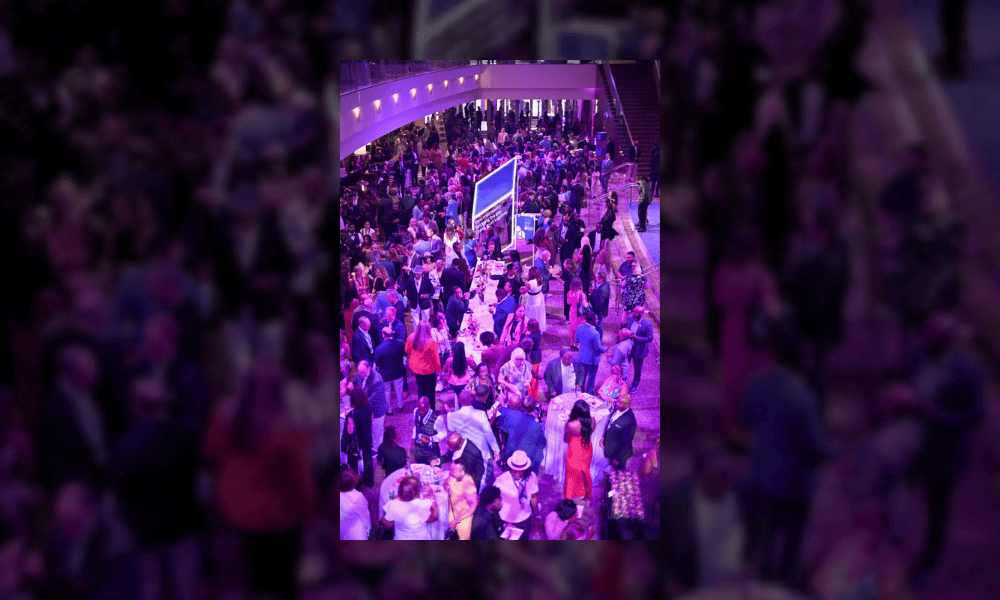
That work is funded in large part by the Beloved Benefit, our annual event and one of the largest fundraisers in the Southeast, which raised $8.2 million last year. This year, these dollars went to eight organizations, including Atlanta Technical College, which trains residents for high-demand careers; City of Refuge, which provides transitional housing and job training; and Partners for HOME, which coordinates the effort to end homelessness. The people who ultimately benefit are residents: families trying to stay in their homes as costs rise, students preparing for careers, and neighbors who need stable housing.
That’s exactly why The Same House is expanding into the Fayette County market.
We’re launching, in partnership with Groundswell, an initiative that will serve as the first concrete step in this work. Groundswell will lead the repair and weatherization of 800 homes across the county where the energy burden on families runs highest, addressing aging systems, poor insulation, and repairs that have gone unfunded for years, while The Same House builds the broader relationships that will carry this work forward long after the first 800 homes are finished. At its core, this project is about affordable housing and living, so that the families that are both new to the region and have been living in Fayette County for generations are not pushed out by rising costs.
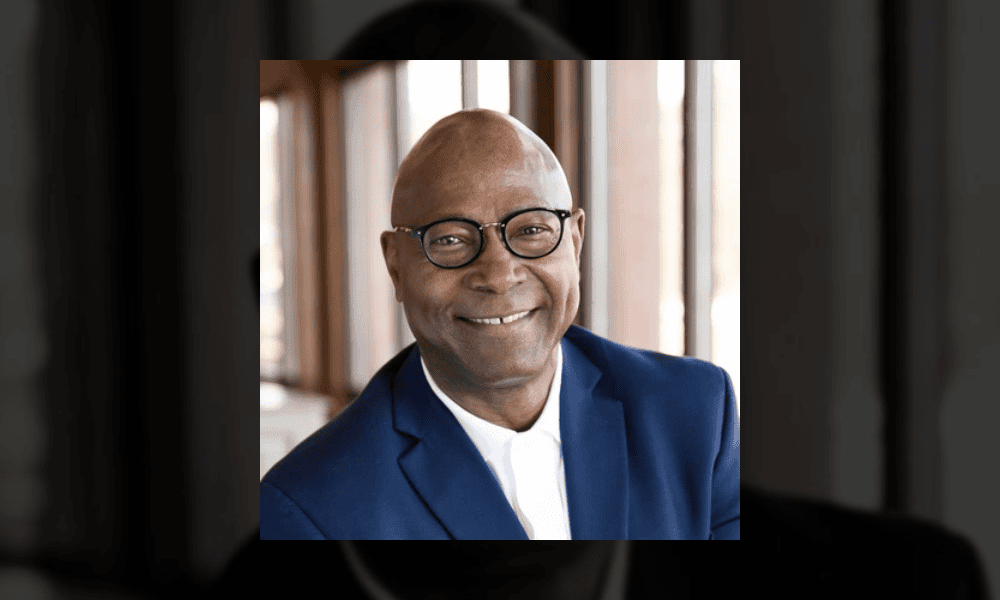
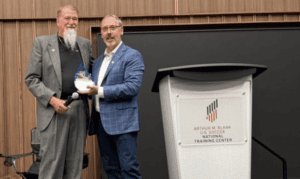
Leading The Same House Fayette as Executive Director is Al Mead, a pillar of the Fayette County community. For more than twenty years, Al has served as Community Outreach Pastor at New Hope Church, creating the kind of cross-sector relationships that connect stakeholders around shared purpose, work that has run in parallel with his role as Board President of Trilith LIVE and his years of service on the Fayette Chamber of Commerce Board. People across this county have already worked alongside Al for years, which means the trust this partnership needs is not something we have to build from scratch. His experience managing complexity at scale goes even further back than his work in Fayette County: as Vice Chair of the 1996 Atlanta Paralympic Organizing Committee, Al helped coordinate logistics, sponsors, and civic partners across an international event, the same kind of multi-party alignment this project will require at a county level. He carries that skill into his current role as President of the Georgia Chapter of the U.S. Olympians & Paralympians Association, where he continues to bring together institutions across the board.
We call this kind of role the community quarterback, a person with deep roots in the community who becomes the connective tissue between residents and the organizations investing there, someone whose credibility comes from decades of showing up long before any partnership was ever on the table. The role is not defined by a title; it is defined by relationships built over years, which is why we choose people based on community rootedness, leadership history, and the ability to bring different groups into the same room without losing anyone’s trust. A community quarterback is never a company representative carrying out a communications plan. They are someone the community already turned to before any of this started, which means they can surface hard concerns early, translate what residents actually need into terms an investing organization can act on, and help both sides work through friction before it hardens into opposition.
That is the model The Same House is building to exist in the space between corporate investment and the people living alongside it, and it is the model we believe Fayette County needs now. The large-scale developments arriving here are far from finished, and other counties across the region will be watching closely to see how this kind of growth unfolds in Fayette County first.



Leave a Comment
You must be logged in to post a comment.