


 5551
5551 7
7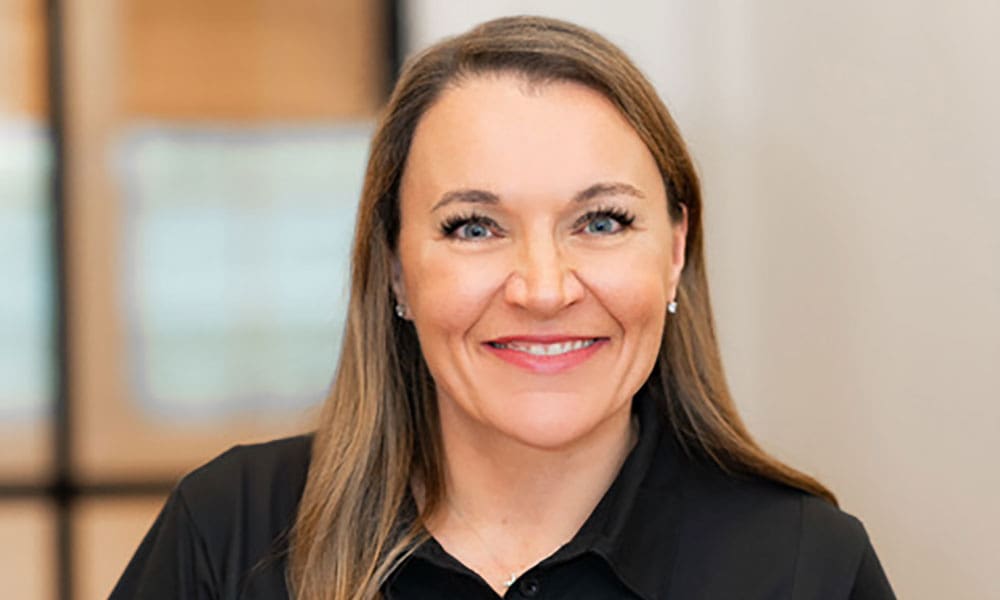
By Niki Vanderslice, President & CEO, Fayette County Development Authority
Over the past several weeks, I’ve had direct, thoughtful, and at times passionate conversations with residents about data centers, annexations, and growth in Fayette County. I appreciate those conversations. They reflect something important: people care deeply about this community.
So do I.
I am raising the third generation of my family here. This is not just where I work — it is home.
Before addressing specific concerns, it is important to clarify the role of the Fayette County Development Authority. The FCDA is not a regulatory body. We do not control zoning, approve annexations, regulate environmental compliance, set utility rates, or determine where transmission infrastructure is placed. Those responsibilities belong to municipalities, county government, state regulatory agencies, and regulated utilities.
Our role is economic development: recruiting and supporting job-creating investment, strengthening the commercial tax base, and providing technical assistance to local governments when requested. We expect projects we assist with to meet all applicable local, state, and federal standards, and we support full compliance with those requirements.
Let me also address something clearly: the Fayette County Development Authority is not pursuing additional data centers in Fayette County. Our recently released strategic plan does not advocate for recruiting additional data centers here. If a municipality chooses to explore a project, our responsibility under state law is to provide technical support, just as we would for any other major employer. That is governance — not recruitment.
Now, let’s talk about QTS.
In 2023, I wrote publicly about this project and outlined many of the same considerations being discussed today — tax base diversification, long-term fiscal sustainability, and infrastructure planning. Those positions have not changed. After careful evaluation of fiscal impact, infrastructure capacity, and long-term sustainability, we believed this project aligned with the county’s economic development goals.
Before QTS, the 615-acre property generated approximately $11,000 per year in property taxes. In 2025, that same property generated roughly $1.2 million in property taxes. This is an 11,000% Return on Investment in four years. Once fully valued, it is projected to become the largest single taxpayer in Fayette County.
It is also important to consider what that 615 acres could have become. Based on typical zoning patterns, that property could have supported approximately 1,200 single-family homes. According to Fayette County’s Cost of Community Services analysis (https://fayettega.org/wp-content/uploads/2025/06/FINAL-Fayette-County-Cost-of-Community-Services.pdf), residential land uses generally require roughly $1.05–$1.15 in public service costs for every $1 of tax revenue generated. Commercial and industrial land uses, by contrast, generate revenue at a significantly lower service cost ratio — often returning substantially more than they require in public spending.
This is not an argument against housing. Fayette County needs thoughtful residential development. It is simply a reminder that different land uses affect long-term fiscal sustainability differently. A balanced tax digest is not political — it is practical.
QTS represents a $10 billion private investment in Fayette County, exclusive of current and future tenant investments. It is projected to create approximately 500 permanent jobs at completion, with wages averaging roughly $15,000 above the current county average of approximately $59,369 (Lightcast 2026). These are high-skilled positions in engineering, operations, security, and management. National economic impact data consistently show that each direct data center job supports multiple additional jobs across logistics, maintenance, and professional services.
That revenue strengthens schools. It supports public safety. It funds roads and infrastructure — without shifting the full burden onto homeowners. Residential property taxes alone do not fund everything we expect as a community. A healthy commercial base provides long-term financial stability.
Before discussing further fiscal impact, I want to acknowledge something important: for some residents, this conversation is not about tax base or ratios. It is about how this project has changed their immediate surroundings. Construction activity and transmission infrastructure have had visible impacts. That experience is real, and it matters.
The FCDA’s role in this project was to confirm that utility service capacity was available to support the site. We were informed that the property could be served. However, we do not control, design, or approve transmission routing. Those engineering and placement decisions are made by the utility provider through a separate regulatory process overseen at the state level by the Georgia Public Service Commission.
That distinction matters in terms of authority. But we also recognize that residents do not experience projects through jurisdictional categories — they experience outcomes. We have already begun strengthening coordination and communication protocols with utility and development partners to ensure potential impacts are identified and shared earlier in future projects.
Regarding environmental impact, QTS operates on a closed-loop water system. Its projected operational water usage is comparable to fewer than 100 typical homes, based on utility estimates. Some of the higher figures circulating publicly reflect temporary construction-phase activity, not long-term operations. Water usage is metered through the appropriate utility authority, like any other major commercial user. Environmental compliance, noise standards, air quality requirements, and soil monitoring are regulated at the local and state levels. If violations occur, enforcement authority rests with the appropriate agencies.
Metro Atlanta is one of the most active data center markets in the country. That regional momentum was not created by Fayette County, and it will not disappear because we ignore it. The responsibility of leadership is not to say yes to everything. It is not to say no to everything. It is to evaluate fiscal health, infrastructure capacity, quality of life, and long-term sustainability — and to make careful decisions grounded in data.
Growth can feel uncomfortable. It changes landscapes. It changes traffic patterns. It changes conversations.
But communities do not preserve what they value by refusing all growth. They preserve it by managing growth deliberately and ensuring financial stability for the long term.
You may not agree with every project. Healthy communities allow room for dialogue and disagreement. But decisions must be grounded in facts, fiscal responsibility, and clarity about jurisdiction — not speculation.
I love this county. My family’s roots are here, and our future is here. The board of the FCDA and I remain committed to protecting what makes Fayette County special while ensuring it remains financially strong for the next generation.
That is not growth for growth’s sake.
That is stewardship.
If you would like to meet and discuss this in person, please call the office at (770) 461-5253.
Respectfully,
Niki Vanderslice
President & CEO
Fayette County Development Authority








Leave a Comment
You must be logged in to post a comment.