


 2094
2094 0
0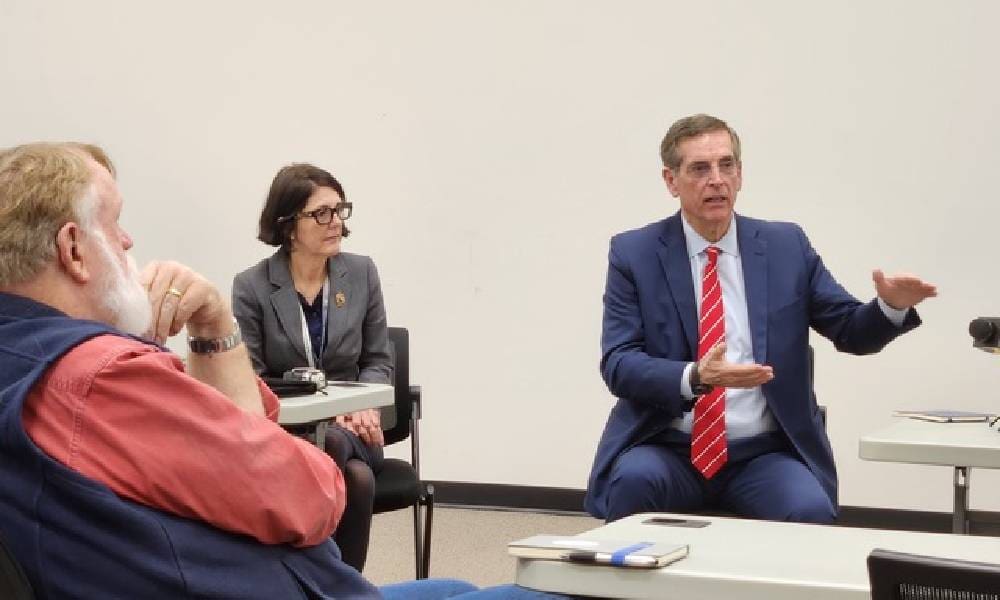
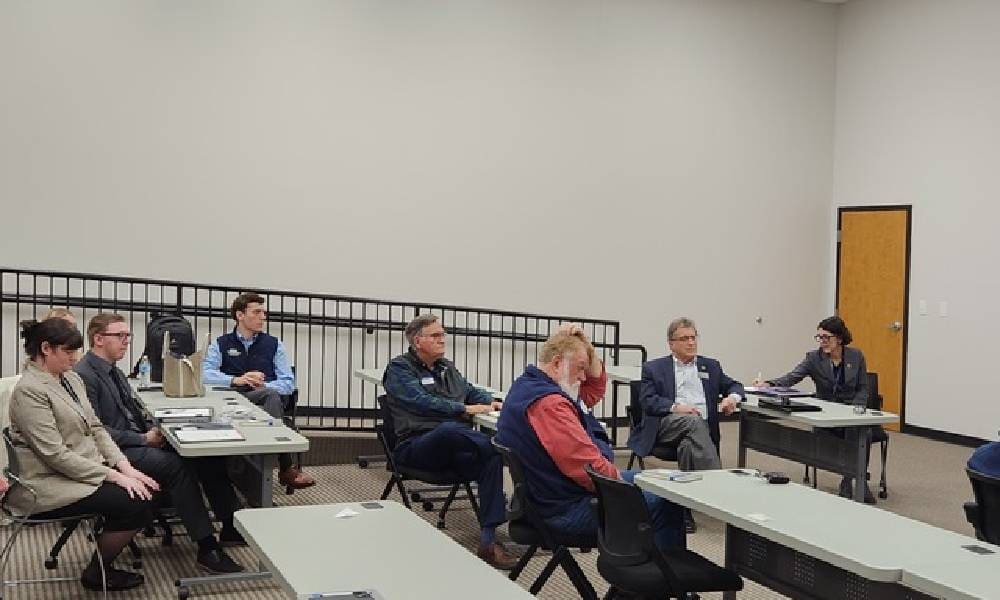
For the first time since the collapse of First Liberty Building & Loan, the Georgia Secretary of State’s office convened victims of the Ponzi scheme in one room, bringing together a small but vocal group demanding answers, accountability, and action.
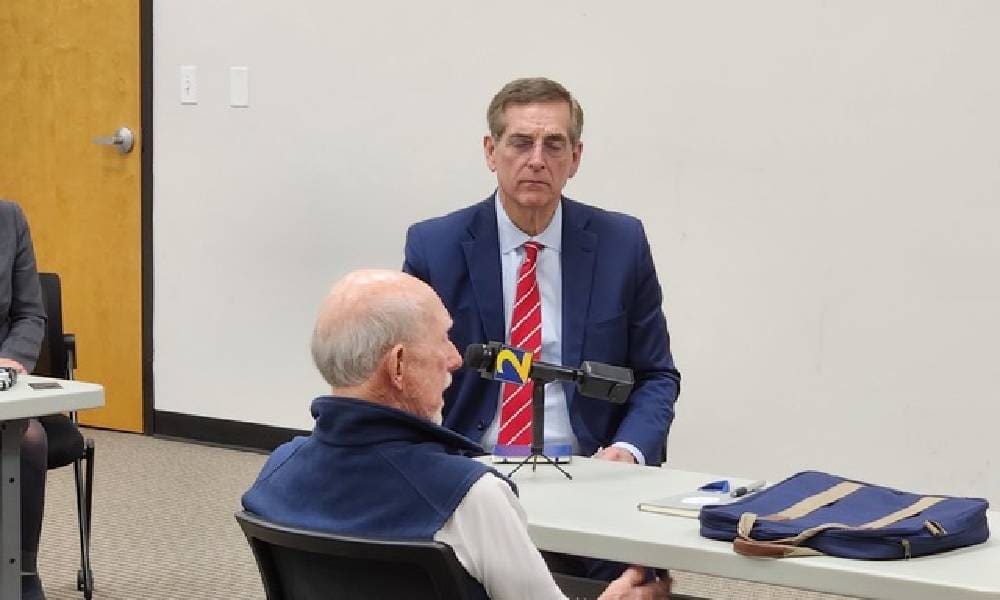
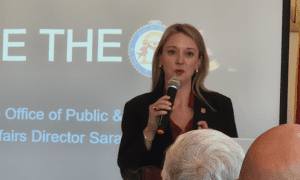
Secretary of State Brad Raffensperger called the meeting, held in North Atlanta, to hear directly from investors who lost money through the Newnan-based lending firm, which federal regulators and the courts have determined operated as a Ponzi scheme. Twelve victims attended — a fraction of what state officials estimate could be more than 300 victims statewide and beyond.
Some investors are believed to be located outside Georgia, including in neighboring states such as Alabama, underscoring the interstate scope of the case.
A first public gathering
For many in attendance, it was the first time they had met other victims in person or spoken publicly about their losses.
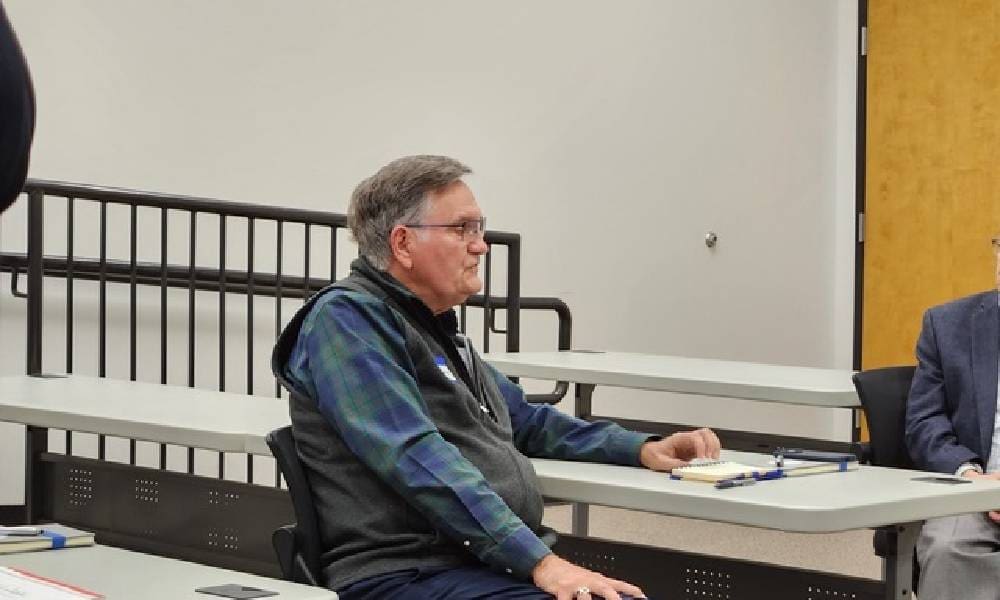
“This is the first time we’ve been in a room together,” said James McMaster, a longtime investor whose story The Citizen has previously covered. “We seem to be at a stalemate as far as what’s moving forward, and I wanted to get out and see if we could help push forward.”
McMaster, who said he is nearing his 94th birthday, described decades of working his way up from selling newspapers and shining shoes to building a career in business. He said he invested in First Liberty believing his money was secured by collateral tied to real estate projects.
“I’ve been blessed more than I deserve,” McMaster said. “But this has hurt a lot of people.”
Losses, trust, and anger
Several victims described losses totaling hundreds of thousands — and in some cases, millions — of dollars. Allen Baldwin, a Fayette County resident, said his losses extended across his immediate family.
“Sadly, I got two of my sons and a daughter involved,” Baldwin said. “We as a family lost well over a million dollars.”
Baldwin said his trust in First Liberty’s leadership grew over years of personal and professional relationships.
“We prayed together, we cried together,” he said, describing conversations with First Liberty founder Brant Frost IV after learning the firm had collapsed. “I still thought it was some kind of screw-up with well intentions. But as the receiver’s reports have come out, it’s obvious that this was no accident. That trust was just horribly violated.”
Tom Todd, a Fulton County resident, said he and his wife invested through First Liberty to fund church missions and community outreach.
“That money wasn’t for us,” Todd said. “It was God’s money.”
Todd said the realization that the funds were gone was devastating.
“They knew they were stealing it,” he said.
One anonymous victim, who said he had previously worked in the lending industry and believed he had done extensive due diligence, described the emotional toll of realizing he had been deceived.
“We went through all the phases,” he said. “We wanted to kill them, and then we said, you know, we’re supposed to be Christian — let’s not kill them.”
He said the anger eventually gave way to a singular focus.
“Right now, we just want our money back,” he said. “Let’s claw back our money.”
Another anonymous woman said she no longer expects to recover her investment but wants accountability.
“Money is one thing, but accountability is another thing,” she said. “They’re crooks. They’re criminals. There’s no other way to label them except criminals, and they need to be held accountable by the law.”
Another anonymous investor said the fallout extended across generations.
“We got my parents, who were over 80 years old, to invest,” she said. “Collectively, we lost over a million dollars. This has created anxiety and lifestyle changes.”
Several victims said they did not invest directly with First Liberty at all, but through intermediaries who marketed the investments as secure. Some said they were unaware they were investing in First Liberty products until the firm collapsed.
State authority — and its limits
Raffensperger acknowledged the frustration in the room, telling victims his office is working to recover funds and hold those responsible accountable.
“We believe there’s over 300 people that have claims,” Raffensperger said. “But yet we want to hear from half of those. If First Liberty doesn’t have the records, but you do, every document gives us a trail we can track.”
He urged victims to preserve and submit all documentation, noting that the Secretary of State’s office has issued legal notices requiring parties connected to the loans to retain records.
Assistant Commissioner of Securities Noula Zaharis explained that the Securities & Charities Division operates under civil authority.
“The Securities Act is an administrative act,” Zaharis said. “We can issue fines, cease and desist orders, and bar people from doing business. If we want criminal prosecution, we have to refer that to a district attorney or the attorney general.”
Zaharis said the office recently appointed an investigative agent, Jason Doss, to assist with the case — a move she said is allowed under the Georgia Securities Act and used in complex investigations.
“We have over 12,000 documents,” she said. “This is not a simple Ponzi scheme. It’s very layered.”
Focus on intermediaries
In addition to First Liberty’s leadership, Zaharis said investigators are examining intermediaries — individuals and firms that marketed or sold the investments.
“People who were selling the investment on behalf of First Liberty,” she said. “And the firms that they work for.”
The goal, she said, is to pursue enforcement actions that could ultimately increase the pool of money available to the court-appointed receiver.
“Our hope is that the outcome would be that investors get money back instead of the state just issuing fines,” Zaharis said.
A push for legislative change
Raffensperger also highlighted pending legislation that could expand the state’s enforcement powers. Senate Bill 284, which passed one chamber last session but stalled in the other, would allow the Secretary of State’s office to order repayment of principal directly to investors.
“That bill would have given you additional protection,” Raffensperger said. “We want to get it passed this session.”
Without it, Zaharis said, the office’s ability to return money to investors remains limited.
“One of the biggest things we found is that people don’t care about fines,” she said. “They want their money back.”
What comes next
As the meeting ended, Raffensperger asked to continue conversations privately, off camera, acknowledging that some victims were uncomfortable speaking publicly.
For those in the room, the gathering marked a first step — not a resolution.
“We just want justice done,” one anonymous victim said. “And we want Georgia laws to work for the people who did everything right and still lost everything.”






Leave a Comment
You must be logged in to post a comment.