


 2861
2861 0
0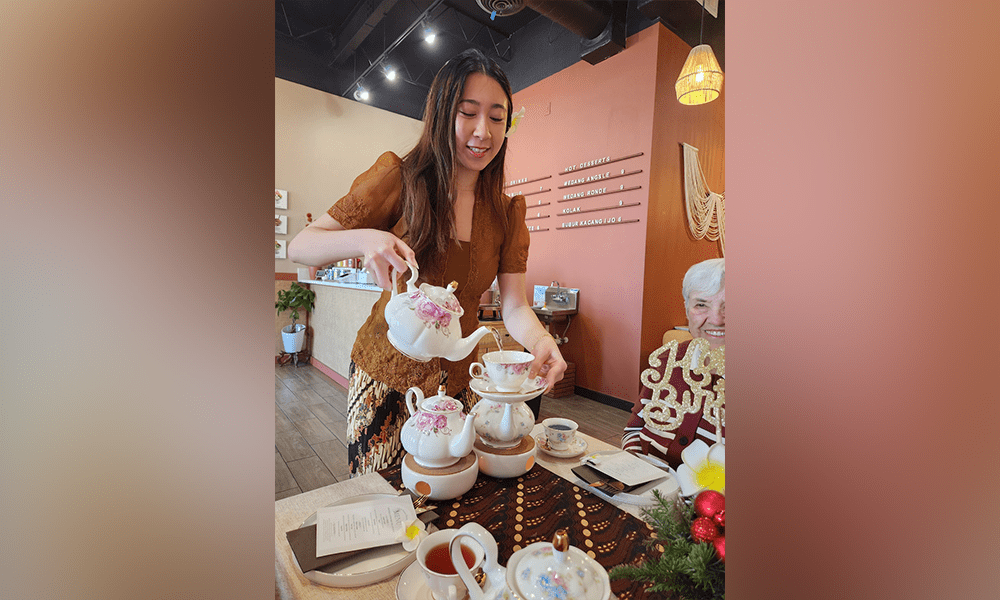
Pink cakes lightly dusted with coconut flakes. Warm, crispy pastels filled with surprising ingredients and served with savory peanut sauce. Tea glowing blue over candlelight.
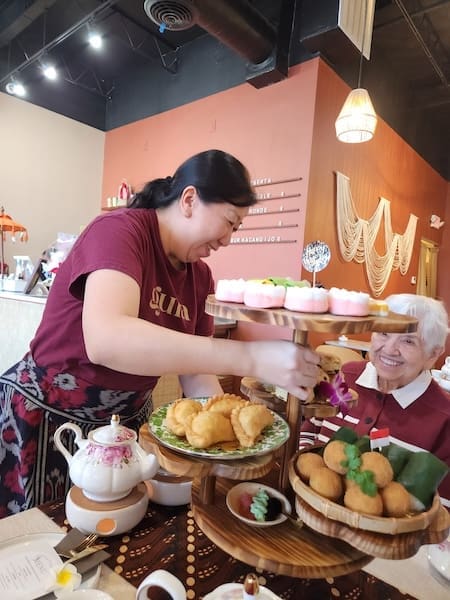
The four-tier tray arrived all at once at Gula Indonesian Desserts, fully assembled and impossible to ignore. Savories, scones, sweets, and fresh tropical fruit were stacked together in a display that felt generous and deliberate. This was not a tea service designed for polite nibbling. It was meant to be explored.
I drove an hour from Peachtree City to Doraville with my mother, Jane White-Stevens, my Aunt Ann, and my adult son Nathan to Gula to celebrate my mom’s 84th birthday.
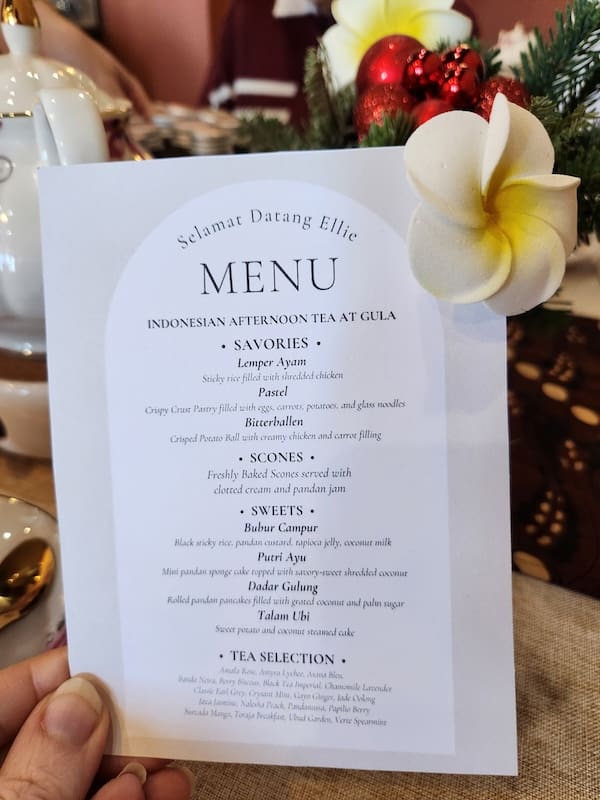
The experience felt immediately right for the occasion—unhurried, visually joyful, and full of things none of us eat every day. Each place setting held a personalized menu printed with our individual names beneath Selamat Datang—“welcome” in Bahasa Indonesia, the Indonesian language—and the table was decorated with cheerful “Happy Birthday” touches for my mom. The menus came with a little floral clip decoration we got to take with us, perfect to pass along to my young nieces.
I first came across Gula’s afternoon tea service while scrolling on Instagram and mentally filed it away as a possibility for my mom’s birthday. I got reservations just 4 days in advance, calling to make them.
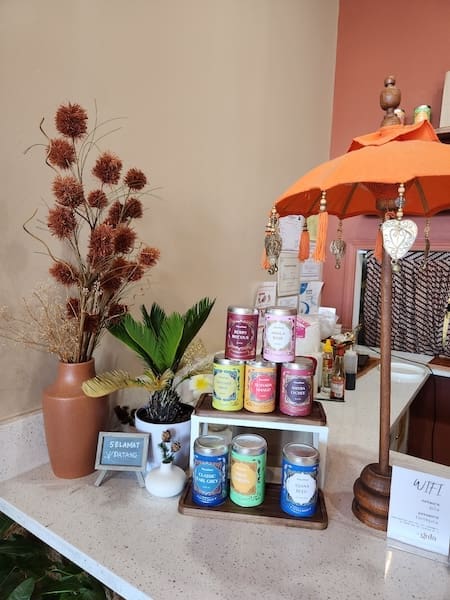
At the table tea came first. Gula offers 19 Indonesian loose-leaf teas, though guests can smell 12 of them before choosing. Only one tea was herbal and caffeine-free (Asana Bleu)—and it was a vivid, jewel-toned blue. The rest ranged across green, oolong, and black teas, all with extraordinary flavor and balance. Each person received their own teapot, set atop a small candle-lit warmer that kept the tea hot for the whole experience. The teas were remarkable—aromatic, layered, and spiced beautifully. Our favorites were the Nalesha Peach and the Pandanussa.
After we made our selections, there was a short pause while the teas were prepared. Only then did the food arrive—all at once.
We began where the heat still mattered most, starting with the savory items. Lemper ayam—sticky rice filled with shredded chicken—was compact and satisfying. Bitterballen delivered a crisp shell with a creamy chicken-and-carrot center that almost had a pot pie flavor. But the clear favorite at our table was the pastel: a crisp pastry filled with egg, carrots, potatoes, and glass noodles, served with an exceptional peanut sauce. Several of us named it the best savory bite of the afternoon, largely because of that sauce.
The scones followed, served warm with clotted cream and pandan jam. No one at our table skips scones. The pandan jam was strikingly sweet—and carried an unfamiliar, almost grassy flavor that made it memorable. We layered it with the clotted cream, and they brought us extra when we ran out.
Desserts filled the remaining tiers, and this is where personal favorites emerged. My own favorite item was the dadar gulung, rolled pandan pancakes filled with coconut and palm sugar. They were a bright, almost electric green and unlike anything I’d had before. I was especially pleased when Nathan didn’t care for his and handed the rest over to me.
Other sweets included bubur campur, a combination of black sticky rice, pandan custard, tapioca jelly, and coconut milk; putri ayu, a pretty pink princess cake topped with shredded coconut; and talam ubi, a steamed sweet potato and coconut cake with a soft, gelatinous texture. Not every bite was universally loved, but tasting, comparing, and trading opinions became part of the pleasure.
Fresh fruit rounded out the tray and added another layer of color and discovery. Alongside more familiar fruit was dragon fruit, and rambutan, a tropical fruit some of us were trying for the first time. The entire tray was visually stimulating—bright greens, soft pinks, deep purples, and warm neutrals arranged in a way that felt both celebratory and calm.
My mom, a faith columnist with The Citizen, spent three years living in Malaysia as a missionary 60 years ago, a country that shares language roots and some culinary traditions with Indonesia. Our family also visited the region together more than 35 years ago. Over time, many of the Malaysian restaurants she once loved along Buford Highway have closed, but she still seeks out those flavors whenever she has the chance.
That history made this afternoon especially meaningful—and also surprising. Even with those memories, most of what we tasted at Gula was entirely new to all of us. These weren’t dishes we were revisiting. They were flavors we were meeting for the first time.
Throughout the afternoon, young owner Emma Parker moved easily through the space, answering questions and explaining dishes. Nineteen-year-old Parker, who is both Indonesian and British, runs Gula with her mother, aunt, and grandmother—her own three generations. Her background helps explain the concept: Indonesian flavors presented through a tea-service structure that feels approachable without being predictable.
Gula has only been open for a few months, and the afternoon tea service itself is brand new—just one month old. Tea service is offered by reservation and on a limited schedule, in part because of how labor-intensive it is. Larger parties are possible by arrangement; Parker mentioned they were preparing to host a group of 12.
The tea service is substantial—easily a full meal—and lingering is clearly part of the design.
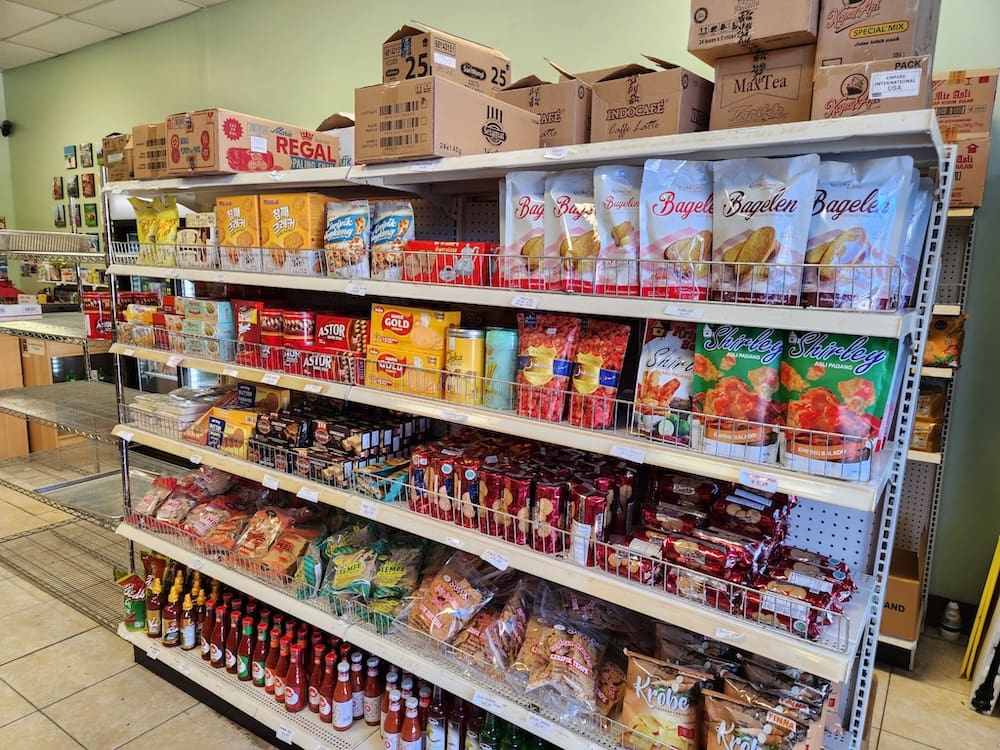
Gula sits in a small cluster of Indonesian businesses worth noting for future visits. Indo Eats, the nearby Indonesian grocery that is part of the same family operation as Gula, is a natural companion stop. A staff member there specifically recommended ayam rujak, a spicy chicken dish, from Ibu’s Kitchen, a newly opened Indonesian restaurant in the same plaza.
We did stop into Indo Eats after tea, picking up several spice packets priced just over a dollar each and a bag of the jackfruit chips we had enjoyed on the tea tray at Gula, which rang up at about $6.50. It was an easy way to extend the experience beyond the table and take a few flavors home.
That same staff member explained that Saturdays at Indo Eats bring fresh foods and vendors, giving the space a street-food feel. Parker echoed that Saturday is an especially good time to visit.
One planning note for readers: Fridays require attention. Gula is only open from 4 to 9 p.m. on Fridays, and Indo Eats is closed entirely that day. Tea service can be offered Fridays and weekends by reservation, but availability is limited. Even though they serve tea, Gula is not open in the morning. Most weekdays they open at noon, 11 a.m. on weekends. And they close at 9 p.m.
Gula means “sugar” in Bahasa Indonesia, and the name fits—not just because of the desserts, but because of the generosity woven into the experience.
Living this close to Atlanta, you never quite run out of new experiences—if you’re willing to drive to Buford Highway.
This afternoon tea would have been more than enough to mark a birthday on its own. My mom simply happens to be deeply loved and thoroughly spoiled by her family. She went on to enjoy more celebration later that day—and board games, exactly what she wanted. But nothing about the Gula experience felt secondary. It was colorful, immersive, and deeply satisfying for all three generations who sipped and tasted their way to happiness.
Sometimes the most memorable celebrations are the ones that invite you to slow down, notice the details, and share something unfamiliar together.
Booking & Practical Details
Gula Indonesian Desserts
📍 5177-A Buford Hwy NE, Doraville, GA 30340
Indonesian Afternoon Tea Service
- Price: $47.50 per person, plus tax and gratuity
- Reservations required
- Reservation times: Monday–Thursday at 12 p.m. and 3 p.m.
- Limited seating
- Tea service may also be available Fridays and weekends by reservation
📞 Call to book: (470) 359-4899
🅿️ Free parking available
Note: This was not an endorsed, paid or sponsored story. We paid our check and it was worth every penny.







Leave a Comment
You must be logged in to post a comment.