


 3322
3322 0
0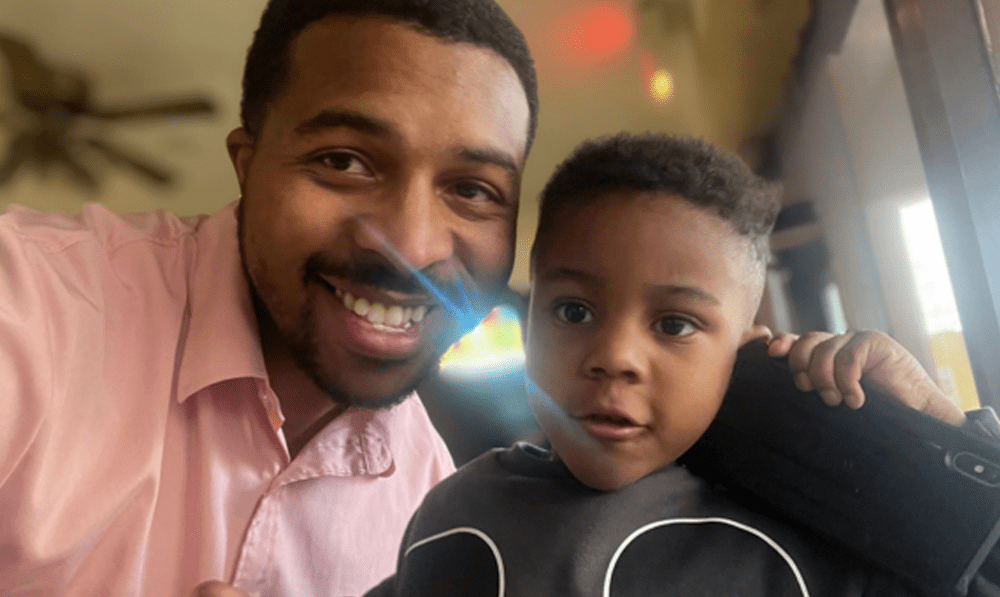
Why your reaction matters more than a response when a child cannot answer back.
When strangers greet my son in public, the moment often turns complicated. My son is non-verbal, and while I appreciate people acknowledging him, their reaction when I explain he cannot respond can be harder to watch than the silence itself.
Here is the situation: someone leans down in the grocery store and says, “Hello sweet boy!” My son does not answer or make eye contact. Often, he simply looks away or keeps doing what he was doing, as if the person is not there. And in that moment, I am left with a choice.
Do I say nothing and let the moment hang awkwardly? Or do I step in and explain, “He’s non-verbal”?
Most of the time, I choose honesty. I tell them.
And that is when I see it – the smile fading into a frown, the look of pity, the air changing. That hurts more than the silence. As his dad, I wrestle with this reality every day: how much I crave for him to have a voice in the world, how hard it is when he cannot communicate with people outside our immediate family. I already live with that weight – seeing it mirrored in someone’s face cuts deeper.
The truth is my son does not need pity. What he needs – what I need – is for people to respond with simple acceptance. A smile and a phrase like, “That’s ok, I’m sure he heard me.” That acknowledgement says, I see him, I value him, and I am not uncomfortable with who he is.
Not every kid is going to say hi back. Some are shy, some are tired, and some, like my son, communicate in ways you cannot hear. The absence of words is not the absence of connection.
So yes, I will keep telling people my son is non-verbal. But what I hope for is simple: that the next time you meet a child who does not respond, you hold on to your smile and offer a kind word. Silence is not emptiness – it is another form of communication.








Leave a Comment
You must be logged in to post a comment.