


 3534
3534 0
0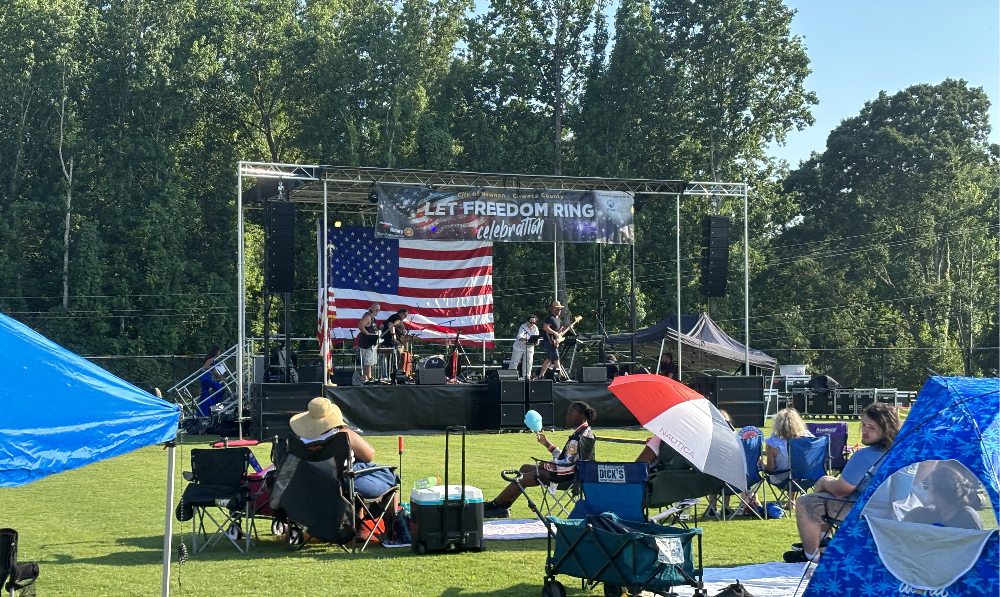
The Fourth of July in Fayette County is usually painted in fireworks and the smell of brisket, the parade winding down Main Street under a haze of sunscreen and red, white, and blue. But this year, somewhere between the floats and the picnic blankets, I stumbled upon a story that had nothing to do with fireworks at all and everything to do with breaking a stereotype.
I met Daniel (his name has been changed for privacy) behind a food truck thick with the scent of smoked barbecue and fried funnel cakes. He was wiping down the counter, laughing with the owner in a way that made the cramped space feel warmer than the Georgia sun. His easy rhythm of work caught my eye, so I asked if he had a minute to talk. He said yes, almost too casually, as if no one usually cared to ask.
Daniel is seventeen. His hands are rough, calloused from long shifts, the kind of labor that leaves a permanent record on your skin. His smile came quick, but it carried weight behind it. When he told me he had dropped out of high school as a junior, I braced for the story I thought I knew — failure, regret, a cautionary tale. But his story was nothing like that.
He left school not out of neglect but necessity. His mother had fallen ill, and between hospital runs, overdue bills, and caring for his younger sister, the classroom simply slipped out of reach. “People hear ‘dropout’ and think lazy, think gave up,” he said, his voice steady. “I didn’t give up. I just couldn’t be in two places at once.”
Now he works two jobs. He’s saving for his GED while helping his sister apply to colleges. One day, he hopes to start a landscaping business — something that builds roots, he told me, grinning as he gestured to the row of potted plants along the food truck. The metaphor fit so naturally it almost felt rehearsed: growing something steady and alive out of the ground he already stands on.
A few feet away sat his father, tucked into a folding chair in the shade. He wore a baseball cap pulled low, the kind of man whose handshake feels like it could splinter wood. He described himself as “old-fashioned,” conservative to the bone, and admitted with a chuckle that he wasn’t the type to brag.
But when I asked about Daniel, his voice softened. “He’s stubborn, sure,” he said. “But stubborn’s not always a bad thing. I raised him to work hard and take care of family, and he’s doing that. That’s more than a lot of young men his age.”
I expected distance, maybe disappointment — the stereotype of a father ashamed of a son who didn’t finish high school. Instead, I found quiet pride. No long speeches, no dramatics. Just a man who measured success not by grades or diplomas, but by whether his son showed up when life got hard.
Listening to them both, I realized how much nuance gets lost when we reduce lives to headlines: dropout, conservative, working class. Words that carry weight, but not the whole story. That morning in Fayette County, under the July sun and the smoke of brisket curling in the air, the stereotype cracked open. What I saw instead was resilience, love, and a steady kind of pride that builds families stronger than fireworks ever could.
In a county known for its celebrations, Daniel’s story was its own quiet kind of spark — one that burned not in the sky, but in the heart of a boy who never stopped showing up.






Leave a Comment
You must be logged in to post a comment.