


 378
378 0
0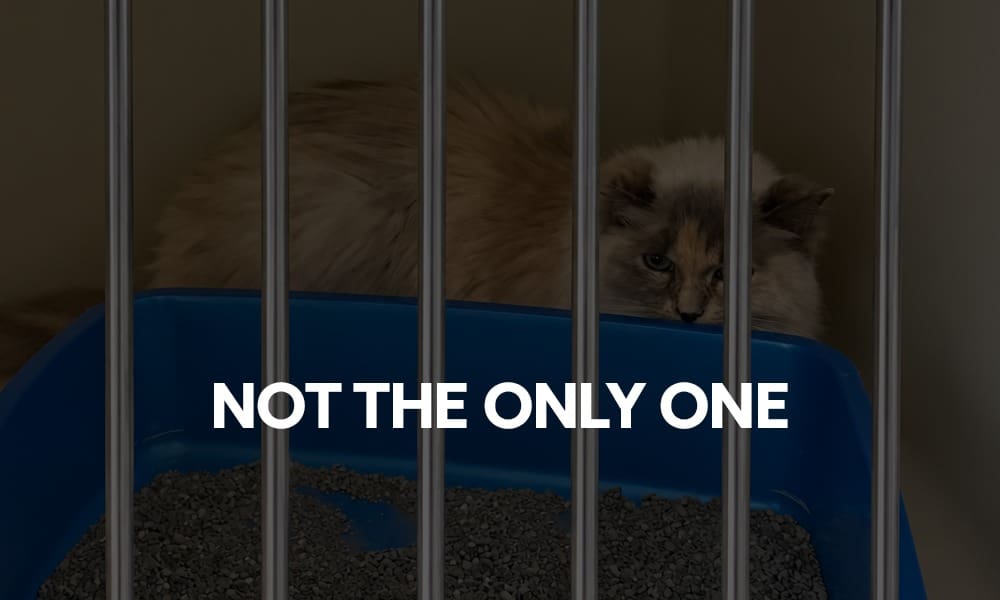
A second former Senoia Animal Hospital employee says Annie the cat was not an isolated case.
The former veterinary worker told The Citizen she personally witnessed another pet owner pay more than $600 to have his critically ill dog, Cha-Cha, euthanized and leave the hospital believing his pet would die. Instead, she said, employees reversed the dog’s sedation, treated him, and a hospital employee took him home.
The former employee has since made a statement to Senoia Police about Cha-Cha and reported her allegations to the Georgia State Board of Veterinary Medicine.
Because of the extraordinary attention surrounding The Citizen’s original investigation — which spread across Atlanta television news, national outlets including People magazine, and international news sites — the former employee asked that her real name not be published. The Citizen is calling her Liana in this story.
Liana worked at Senoia Animal Hospital during two separate periods and has more than a decade of experience working in animal care. She said she ultimately left the hospital voluntarily because she could no longer reconcile what she was seeing with her own standards for animal care.
“I left on my own accord,” Liana said. “That’s why I quit because of my problem with their efficacy.”
Her account raises a question The Citizen put directly to Senoia Animal Hospital:
Is Annie the only pet Senoia Animal Hospital was paid or agreed to euthanize that was not?
The hospital did not answer.
A second owner who thought his pet was dead
Liana said the Cha-Cha case occurred sometime between December 2025 and February 2026.
Cha-Cha was a 4-year-old black pug whose owner brought him to the hospital gravely ill.
“The dog was very lethargic,” Liana said. “He brought it in on a little bed. The dog’s head was laid over. He was not doing well at all.”
Blood work showed the dog was diabetic and experiencing what Liana described as a severe blood-sugar crash and ketoacidosis.
The treatment required to stabilize Cha-Cha would have cost more than the owner could afford, Liana said.
She remembers the man as being on a fixed income and believes he was a veteran. She said he became distraught when he was told euthanasia was the remaining option he could afford.
Liana said the clinic did not offer him the option of surrendering Cha-Cha, financing the dog’s care, or assistance through an in-house charitable fund established to help pet owners who could not afford treatment.
The man agreed to euthanasia.
Because he could not bear to stay through the entire procedure, Liana said, he remained while Cha-Cha received the initial sedation. He loved on the dog, said goodbye, and then went to the front desk.
There, Liana said, he paid more than $600 for euthanasia and aftercare.
“He looked us in the face and said, ‘I don’t even have the money to eat for the rest of this month because I’m on a fixed income. But if this means getting my pet out of distress and and it not suffering, then this is what’s got to happen,’” Liana said.
Then he left.
According to Liana, Cha-Cha was not euthanized.
“They took that man’s money and sent him out the door,” she said. “They took the pet to the back. They reversed sedation. They put the pet on IVs. They stabilized the pet and treated it.”
Liana said Cha-Cha was then taken by McKenna Broussard — the same Senoia Animal Hospital employee who later was found to have Annie.
Liana said Dr. Kelly Alford was involved in Cha-Cha’s case. Alford was also the veterinarian whose name appeared on the euthanasia authorization for Annie.
The Citizen has not located Cha-Cha’s former owner and does not have his veterinary records. Liana’s account is therefore an eyewitness allegation, not independently established in the same way Annie’s case was through medical records and the original police report.
But Liana has now taken that account to police.
She said she recently gave Senoia Police a statement about Cha-Cha. According to Liana, she was told investigators would need to identify the dog’s former owner before they could pursue the matter further.
She has also reported the allegations to the state veterinary board.
Finding Cha-Cha’s owner matters
Identifying Cha-Cha’s former owner could be critical both to the investigation and to the man himself.
If Liana’s account is correct, the owner may still believe the dog he loved died after he left Senoia Animal Hospital.
Instead, Liana says Cha-Cha survived, received treatment for his diabetes, and went home with a clinic employee.
Finding the owner could allow him to learn what happened to his dog, determine whether he has any right to have Cha-Cha returned, and address the money he paid for a euthanasia Liana says never occurred.
It could also relieve a burden Liana believes the man has carried unnecessarily.
She remembers an owner who believed he could not afford the medical care his dog needed and who spent money he could barely spare because he thought euthanasia was the humane option left to him.
If Cha-Cha is now healthy and receiving ongoing treatment, Liana said, his former owner deserves to know.
Annie may not have been living the life people imagined
Liana’s account also adds a troubling new dimension to Annie’s final 18 months.
In The Citizen’s original investigation, records showed that the Jagt family paid Senoia Animal Hospital to euthanize their 19-year-old ragdoll cat on February 14, 2025, after her health and quality of life had significantly deteriorated.
The clinic marked Annie deceased.
She was not.
Annie instead went home with Broussard and continued receiving frequent treatment at Senoia Animal Hospital for approximately another year and a half.
When Senoia Police confronted hospital personnel in August, Dr. Jill Phillips told Detective James McCue that Annie was living with an employee and “doing great,” according to the police report.
Liana gives a very different description of Annie’s life during that period.
When Liana returned to work at Senoia Animal Hospital, she said, Broussard had acquired a cat she did not have when Liana previously worked there.
Liana did not know the animal was Annie.
She simply knew the cat was difficult to handle.
The cat was angry, hissed, was difficult to remove from her carrier, and was difficult to touch, Liana said.
At one point, Liana tried to make conversation with Broussard about the cat.
“I was like, ‘Oh, that’s a beautiful cat! Like, where did you get her?’” Liana said.
She said Broussard did not offer much explanation.
Then Annie hissed at Liana.
According to Liana, Broussard responded: “Yeah, that’s why she has to stay in my room because she doesn’t get along with anything.”
Liana said Broussard told her Annie spent her time in the bedroom, including on top of a dresser or another piece of furniture.
At the time, Liana said, she had no reason to understand the significance.
“I didn’t know this wasn’t her long-term pet,” she said.
Liana cannot independently account for every day of Annie’s final 18 months, but she said what Broussard told her indicated Annie was being kept apart because of her behavior.
That account is significant because the Jagt family had authorized euthanasia precisely because they believed Annie’s quality of life had deteriorated beyond what was humane.
The family described a once-calm cat who had developed severe arthritis, declining kidney function, difficulty eating and using the bathroom, and profound disorientation.
When Tyler Jagt finally saw Annie again before she was euthanized August 13, he described her as smaller, angry, hissing, confused, and unable to recognize him after spending nearly her entire life with his family.
“With whatever memory she had left, she thought we just abandoned her,” Jagt later told The Citizen. “That’s the part I cannot get over and that’s keeping me up at night — that she thought we just left her one day.”
Liana’s account now raises additional questions about what those final 18 months were actually like.
Why Liana left
Cha-Cha’s case was particularly difficult for Liana.
She said she and another employee openly questioned what had happened after the dog’s owner left.
Liana said employees were expected to sign condolence cards for clients whose animals died. She said she resisted signing the card intended for Cha-Cha’s owner because she knew the dog was alive.
She was repeatedly told the card needed signatures before it could be mailed, she said.
Liana remained at the hospital for several weeks because she needed another job before leaving, but she said the ethical conflict contributed directly to her decision to quit.
She continues to work in veterinary care.
Her concern now is not simply what happened inside the hospital, she said, but whether Cha-Cha’s former owner still believes his dog died that day.
“He stayed for the premed sedation, gave his pet some love, and told it goodbye,” Liana said.
The dog then woke up without him.
“That pet, its whole life changed in a matter of hours,” she said. “It went to sleep and woke up living a completely different reality.”
Hospital given another opportunity to respond
Before publication, The Citizen contacted Senoia Animal Hospital and specifically asked whether Annie was the only animal the hospital had been paid or had agreed to euthanize but did not.
The inquiry told the hospital that confidential sources said there were other animals and invited representatives to respond by interview or written statement.
The office manager responded by asking whether The Citizen was preparing another story.
No substantive response to the question was provided, including after The Citizen extended the deadline for the hospital to respond.
The hospital’s statement following the Annie investigation said a veterinarian determined Annie did not warrant euthanasia and that employees acted out of a desire to preserve her life.
The hospital also acknowledged that it “fell short in honoring the trust the family placed in us” and said it had reinforced procedures to ensure clients’ decisions about their animals would be respected.
Cha-Cha now raises the possibility that Annie was not an isolated event.
Unlike Annie’s case, The Citizen does not yet have Cha-Cha’s veterinary records or testimony from his former owner. But Liana says she witnessed what happened firsthand, has given her account to Senoia Police, and has reported it to state veterinary regulators.
Finding Cha-Cha’s former owner could provide the evidence needed to determine what happened next.
It could also tell one man something he may have no idea is true:
The dog he said goodbye to may still be alive.


Leave a Comment
You must be logged in to post a comment.