


 1874
1874 0
0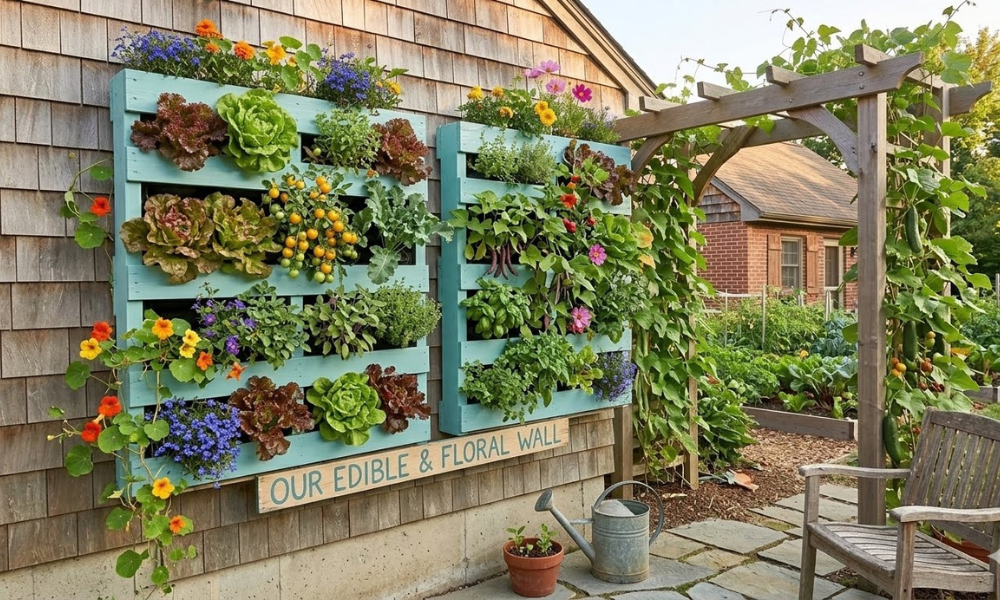
Do you have a blank wall or fence in your garden you want to dress up or an air conditioner unit you need to hide? Perhaps you have a small, cramped yard and want more usable space or an untidy vegetable garden with vines sprawling across the ground. All these issues can be solved by simply planting up – going vertical in the garden!
Vertical gardening has been a hot trend for several years. Planting up requires less ground space, can cover unattractive surfaces and is a healthy way to grow many edible plants. Training a plant to grow on an arbor or trellis not only looks lovely but adds height to your garden. A vertical element provides a focal point – a place for your eyes to rest and savor a new view and perspective, giving your landscape a three-dimensional look.
How Plants Climb
The majority of climbing plants are vines. If you want to try your hand at going vertical, you need to first understand how vines grow so that you can choose the right plant for the right structure. Vines climb by twining, clinging or sprawling over the surface. Twining vines wrap around (encircling) vertical supports. Clematis, morning glories, jasmine, some climbing roses, pole beans and honeysuckle are some of the many plants that climb by twisting around a vertical structure like an arbor, trellis, lamp post or teepee.
Clinging vines actually adhere to a surface through adhesive pads or roots. They work well on rough surfaces like stucco walls or trees but use caution when considering growing clinging vines on your house. Certain clingers, like English ivy and climbing euonymus, can damage mortar and paint and are invasive in the garden. Clinging vines for garden walls include evergreen creeping fig (Ficus pumila), the deciduous climbing hydrangea (Hydrangea petiolaris) and crossvine (Bignonia capreolata).
Some vines sprawl or ramble across a structure. They grow tall but you need to attach them to a support by manually weaving them through a lattice or securing them to the structure with garden tape. Bougainvillea, many climbing roses and vining tomatoes are in the sprawling category.
Benefits of Vertical Vegetable Gardening
If you want a bigger yield in less space, go vertical in your vegetable garden. Vining plants supported on trellises, fences or cages are exposed to more air flow and sunlight encouraging healthier growth. It is also easier to monitor and control insects and diseases because pests are easier to see at eye level on vertical structures. Harvesting becomes less a chore when you don’t have to stoop over so much! Vegetables that you can grow vertically include indeterminate types of tomatoes, nonbush varieties of peas and cucumbers, pole beans, muscadines, small gourds and melons and acorn and butternut squash.
Add Interest in the Flower Garden
Selecting a blooming, vining plant to climb a mailbox or birdhouse post or cover an unsightly utility pole can add instant charm to any garden. And what is more appealing than an arbor covered in climbing roses! There are numerous ornamental vining plants to choose from that will provide scent, color and texture and even attract birds and butterflies. Some flowering vines to consider are ‘New Dawn’ climbing rose, Confederate jasmine (also called star jasmine) – (Trachelospermum jasminoides); maypop (also called passion flower) – (Passiflora incarnate); Carolina jessamine (Gelsemium sempervirens) and Clematis.
New Trends in Vertical Gardening
Build your own vertical garden bed by using two wooden pallets! Check first to make sure the pallets have not been chemically treated if you are using them for edible plants. Line the pallets with landscape fabric and fill the interior with potting mix. Hang the pallet on a sturdy wall or fence or secure in the ground with posts. Poke holes in the landscape fabric and plant anything you desire. Succulents planted in framed boxes and hung on the wall make great garden art. You can find numerous sites online that explain how to build a vertical pallet garden. Get started now and go vertical!








Leave a Comment
You must be logged in to post a comment.