


 9523
9523 1
1
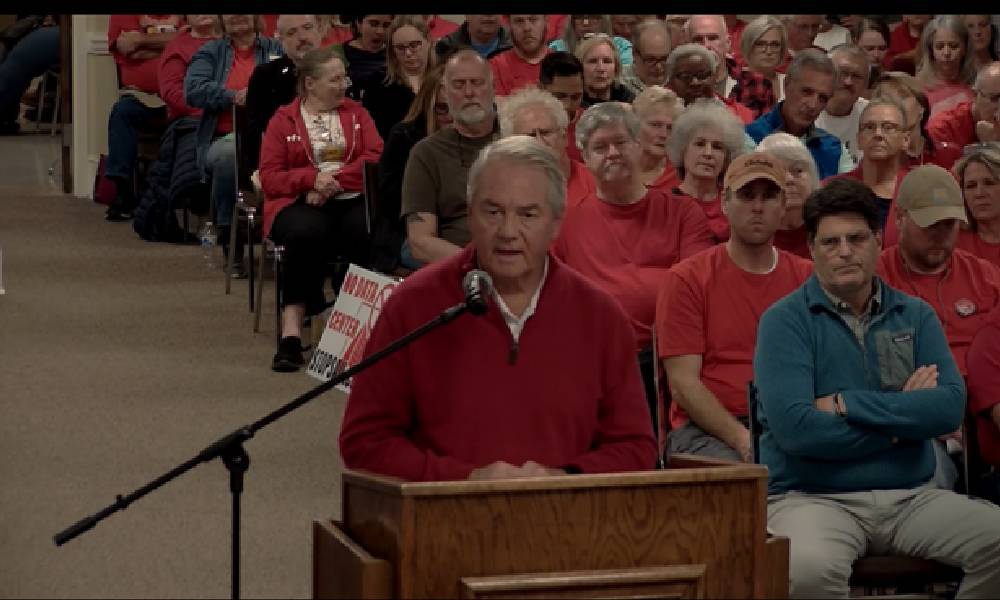
Steve Swope, a longtime Coweta County resident and co-founder of Citizens for Rural Coweta, said opposition to the proposed Project Sail data center is not about rejecting technology, but about where industrial-scale development belongs in a fast-growing county.
Swope said he is not approaching the issue as someone unfamiliar with the industry. Earlier in his career he worked in airline technology and later co-founded companies that developed sophisticated pricing and demand models for airlines, hotels and other travel industries—systems that relied heavily on large data centers to operate.
“We’re not opposed to AI and we’re not opposed to data centers,” Swope said. “But data centers need to be placed in industrial areas, and Coweta County has plenty of industrial areas that are undeveloped that a data center of this size could be placed in.”
Swope said he and other residents began organizing after plans surfaced for Project Sail, a proposed data center campus on 832 acres in western Coweta County. The property is currently zoned rural conservation, and the project would require rezoning to industrial use.
“This project was announced right around New Year’s Day,” Swope said. “It was the first we ever heard about it.”
The proposal has drawn significant attention from residents concerned about the scale of the development and its potential impact on rural parts of the county.
Residents question rural location
Swope said one of the main concerns is the location of the proposed data center.
The site lies in western Coweta County, an area he said has historically remained largely rural aside from the long-standing Plant Yates power plant. Residents worry rezoning hundreds of acres there could open the door to further industrial development in the same area.
“This is going to be the tip of the iceberg,” Swope said. “Once there is industrial development on the western side of the county, it will mushroom.”
Swope and others in the group Citizens for Rural Coweta say they are not opposed to data centers themselves. Instead, they argue the development should be located in existing industrial corridors, particularly along Interstate 85 where Coweta already has land zoned for industry.
“We just want them in the right place,” Swope said.
Proximity to power plants part of developer’s plan
Swope said the proposed site’s proximity to Plant Yates, a natural gas and oil-fired power plant operated by Georgia Power along the Chattahoochee River in Coweta County, is one reason the developer has targeted the location.
According to Swope, locating the project near the power plant would allow the developer, Prologis, to avoid the expense of building major new transmission infrastructure that might be required if the facility were located farther away in one of Coweta’s existing industrial areas.
“It saves them a lot of money,” Swope said. “They would not have to pay for installing long 500-kilovolt transmission lines from Plant Yates or Plant Wansley to another location.”
Plant Wansley, also operated by Georgia Power, is a large coal and natural gas generating station in Heard County near Carrollton and another major power source in the region.
Swope said those types of transmission upgrades can cost roughly $1 million per mile and could also require acquiring additional right-of-way.
Because of that cost difference, he said, residents believe the developer is seeking to build near the power plant primarily for financial reasons.
Concerns over infrastructure and traffic
Residents who live near the proposed site are also worried about traffic and long-term construction impacts.
Swope said estimates tied to the project suggest construction could last up to 10 years and generate thousands of daily vehicle trips.
“During construction, there would be an additional 4,000 trips a day down Highway 16 going to the construction site,” Swope said.
He also described the facility as having infrastructure demands comparable to heavy industry because of its projected electricity use, water needs and backup diesel generators.
“The Project Sail would consume more water and use more electricity than the Hyundai plant down in Savannah,” he said. “If that’s not heavy industry, help me understand what would be heavy industry just based on resource consumption.”
Questions about economic projections
Supporters of the development have pointed to projections that the Project Sail data center could eventually generate about $100 million a year in tax revenue for Coweta County.
Swope said members of his group reviewed tax records from other data centers in Georgia obtained through open records requests and found far smaller revenue figures. Based on those comparisons, he said he believes the $100 million annual projection being discussed locally is unrealistic.
“Our concern is twofold,” he said. “The first concern is they buy into this $100 million, and then 10 years down the road, when the land is ruined, the data center’s up and running and it’s only generating seven or eight million, the developer says, ‘Oops, I guess we were wrong,’ but it’s too late.”
Swope pointed to the Meta data center at Stanton Springs in Walton County, which he said produces about $5 million annually in tax revenue for local governments, as an example of the lower returns he believes are typical of such facilities.
He also said residents have expressed concern that the developer has not yet announced a confirmed tenant for the project.
Community advocate joins opposition
Swope said his involvement also comes from decades of living and working in Coweta County.
He moved to the community more than 40 years ago and has served on several local boards, including the Coweta County Airport Authority and the Coweta Public Facilities Authority. After selling his technology company, Swope and his wife Marie established the Swope Family Foundation, which supports local organizations focused on children, healthcare and literacy.
Swope said residents in the group Citizens for Rural Coweta believe the county can continue to grow while still protecting its rural character.
Meetings ahead of April hearing
Debate over the project is expected to intensify in the coming weeks.
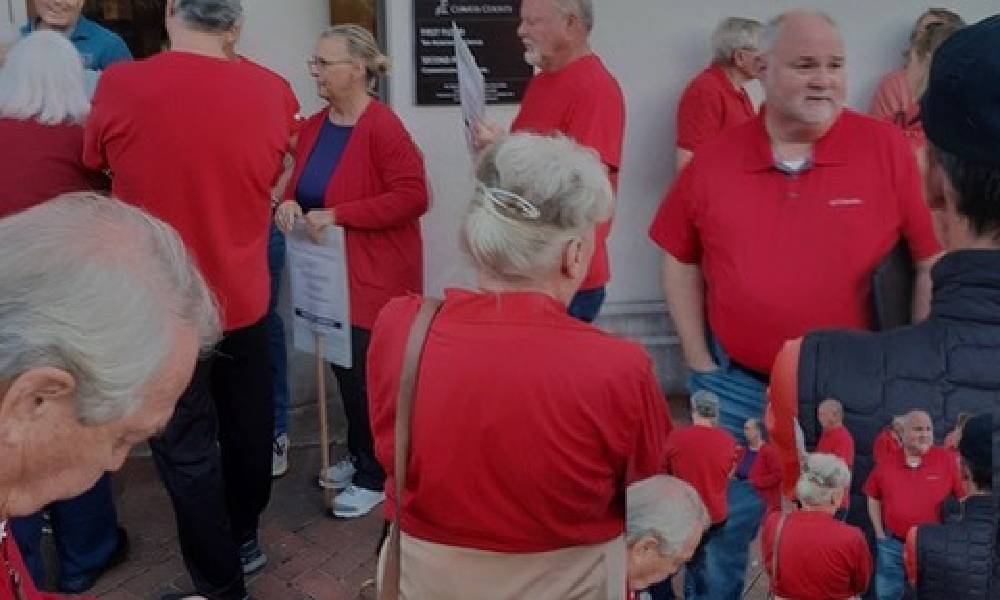
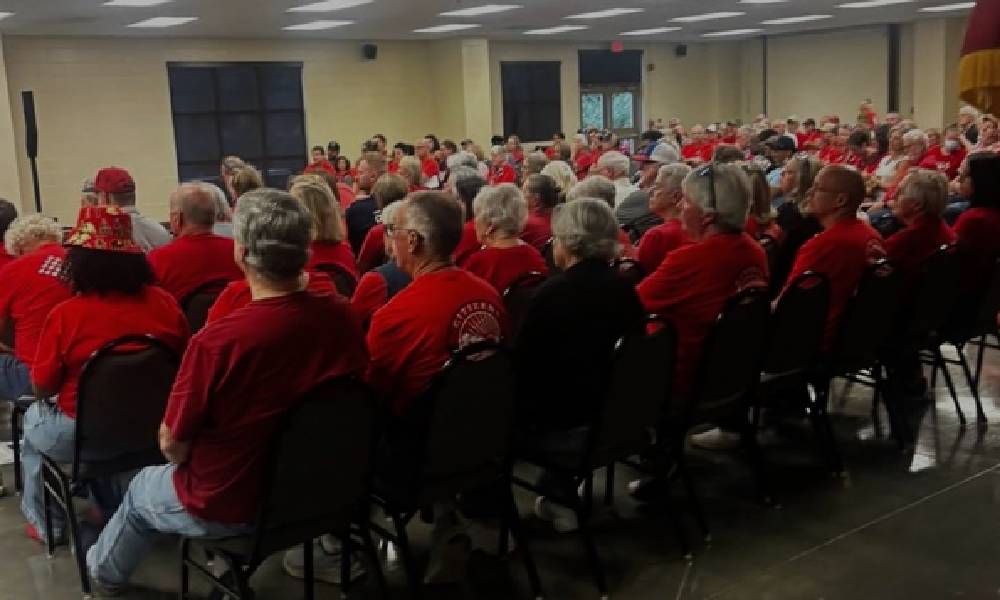
Swope said members of Citizens for Rural Coweta plan to attend the next Coweta County Commission meeting on March 17 at 6 p.m. in the Commission Chambers at 37 Perry Street in Newnan, where they are encouraging supporters to wear red shirts to show opposition to the project.
A public hearing on the Project Sail rezoning request is expected at the April 7 meeting of the Coweta County Board of Commissioners, also scheduled for 6 p.m. at the Commission Chambers, 37 Perry Street in Newnan.
Swope urged residents with concerns about the proposal to contact county commissioners and participate in upcoming meetings.
“Advocate for putting industrial development in where we’re already zoned for industry,” he said. “Let’s just be a county that protects our rural character, and we place industry in industrial areas.”





Leave a Comment
You must be logged in to post a comment.