


 4472
4472 2
2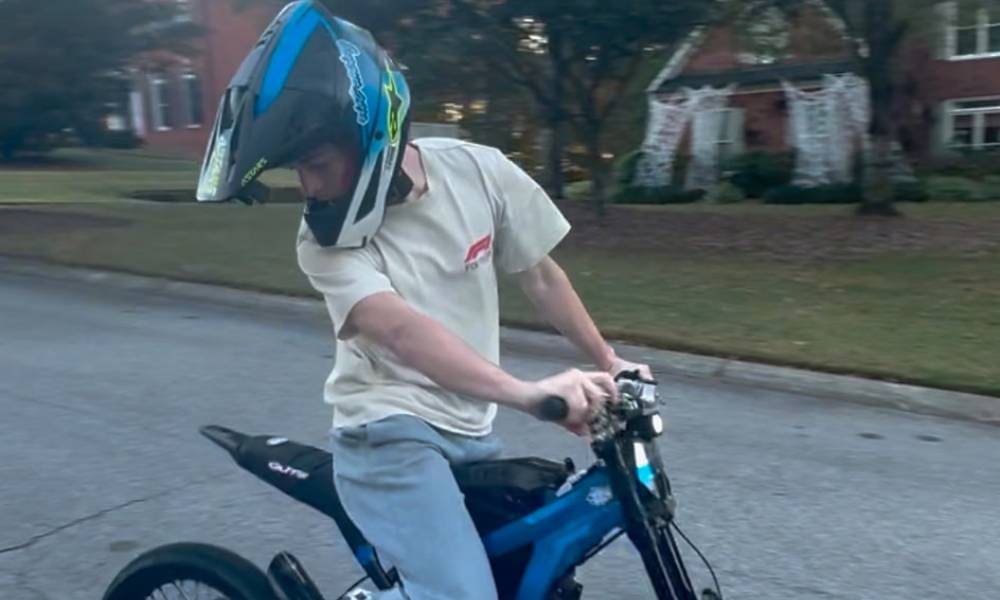
Before Riot Racing ever reached six figures in sales, Preston Hume was clocking in for shifts at Panera Bread — then going home to work on his business until two or three in the morning.
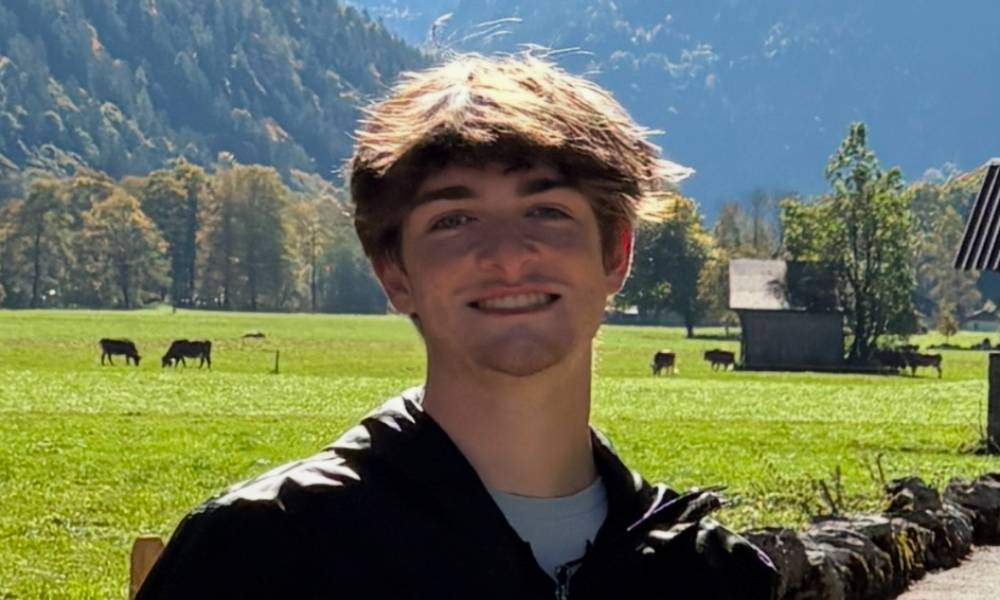
Hume, 17, a Peachtree City native, built his custom electric dirt bike parts business without investors, loans, or family money. Instead, he funded every early stage himself, first through minimum-wage jobs and later through long nights balancing school, work, and product development.
“I was working almost every day,” Hume said. “I’d get home around 10, and then I’d work on my business until two or three in the morning.”
Funding a dream, one paycheck at a time
Hume’s first job came at age 14, when he worked at a local fish store earning $7.25 an hour — one of the few places willing to hire someone his age. The paychecks were small, but he learned discipline and patience.
“My checks were less than $200 every two weeks,” he said. “But I saved every little penny.”
He later used those savings to launch a mobile detailing business, reinvesting what he earned and learning firsthand how effort translated into income. When that work slowed, Hume turned his attention back to an online side project he had nearly abandoned — an early version of what would become Riot Racing.
“For six months, my biggest month was eight orders,” he said. “I almost quit.”
Instead, he returned to the idea with a new approach: creating his own products rather than reselling others’.
Panera by day, entrepreneur by night
To finance that shift, Hume took a job at Panera Bread. He worked full-time hours while attending Starr’s Mill High School, using nearly every paycheck to pay for prototypes, manufacturing runs, and inventory.
“I was stacking those paychecks to reinvent my business,” he said. “That’s literally how I funded everything.”
The schedule eventually became unsustainable. Hume said exhaustion began affecting his grades, prompting a move to Open Campus in Fayetteville, where he now completes all of his classes on a flexible schedule.
“That was about finding a work-life balance that actually worked,” he said.
He continued working at Panera until this November, leaving only when order volume made it impossible to keep up.
“I just didn’t have enough time in the day anymore,” Hume said. “I was starting to fall behind on orders.”
From idea to finished product
Hume’s products typically begin with a problem he notices while riding or watching other riders modify their electric dirt bikes. Riot Racing focuses on aftermarket parts for popular electric bike models such as the Sur-Ron and Talaria — a fast-growing niche that Hume said lacked purpose-built components.
Using CAD software, Hume designs each part himself, drawing on skills he learned during three years of engineering classes at Starr’s Mill High School. Once a design is finalized, he sends detailed files and specifications to manufacturing partners overseas.
“I design everything myself,” Hume said. “I send the drawing files and all the specifications, and they manufacture it.”
After the parts are shipped back to Georgia, Hume assembles them, packages each order, and handles fulfillment himself — a process he said helps him maintain quality control while keeping costs manageable.
Riot Racing’s catalog includes motor covers, handlebar mounts, lighting systems, and direct stems. Hume said the direct stem — a component that stabilizes handlebars at the front of the bike — has become one of his strongest sellers because of its versatility and durability.
“I try to make things better than what’s already out there,” he said. “If there’s competition, that just pushes me to improve it.”
Powered by persistence and social media
Riot Racing’s growth has been driven largely by organic marketing on TikTok, where videos of customized bikes and installed parts regularly circulate within the electric bike community.
“Marketing is a huge part of my business,” Hume said. “I really believe you can sell anything if you market it right.”
He said many customers organically promote the brand by posting their own videos, creating what amounts to free word-of-mouth advertising.
Real numbers, real work
During November and December, Hume said Riot Racing approached $40,000 per month in gross revenue, driven by holiday demand. Prior to that, sales averaged closer to $10,000 per month.
At peak season, he shipped roughly 500 orders per month — a workload that ultimately required him to lease his first office space in Brooks.
“I reinvest every single penny,” Hume said. “The only thing I set aside is for taxes.”
No shortcuts, no safety net
Hume said his parents have been supportive but intentionally hands-off financially.
“I’ve never received a dime from my parents,” he said. “They didn’t buy my bikes. They didn’t invest in my business. I had to work for every bit of it.”
That approach, he said, shaped his mindset early.
“I really believe that dreams are just dreams unless you put them into action,” Hume said. “I don’t mind working late. I enjoy it.”
Looking ahead
Hume plans to graduate high school early and continue growing Riot Racing while exploring additional e-commerce ventures. While he does not currently plan to attend college, he said his primary goal is continued learning and adaptability.
“I’m trying to learn as much as I possibly can,” he said. “That’s the real value.”
For now, that learning continues the same way it started — fueled by long hours, earned money, and the belief that effort compounds.




Leave a Comment
You must be logged in to post a comment.