


 237
237 0
0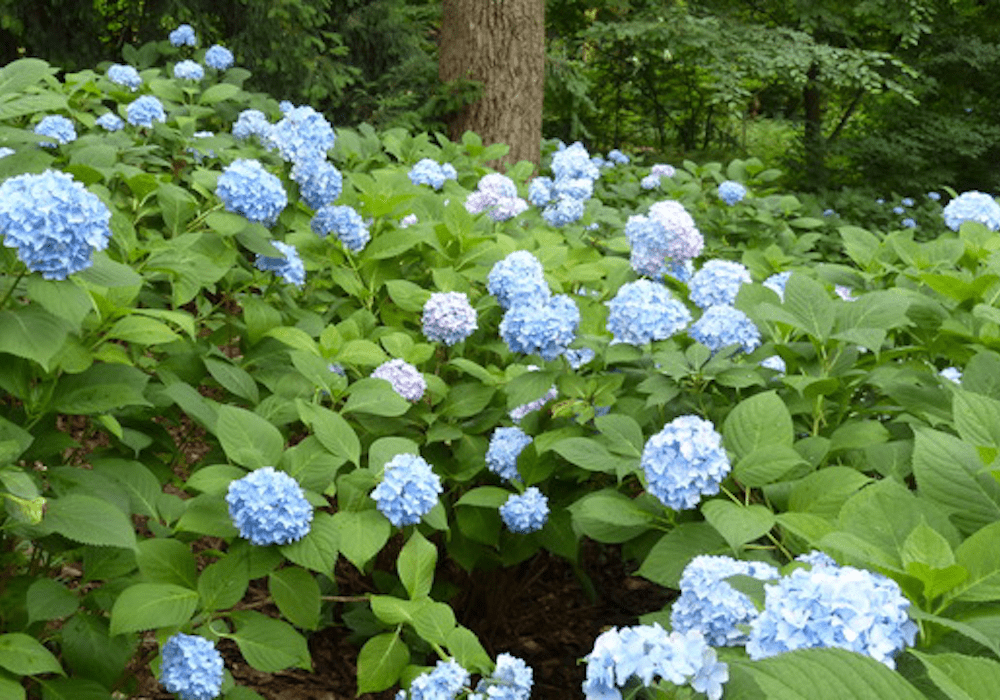
Pruning is one of the simplest ways to keep your garden healthy, shapely, and full of flowers — but timing matters. Cut at the wrong time and you may accidentally remove the very buds that would have become beautiful blooms! The good news is that once you understand whether a plant blooms on old wood or new wood, pruning becomes much easier.
Here’s the simple rule of thumb: prune springflowering plants right after they bloom, and prune summerflowering plants in late winter to early spring before new growth begins.
For best results, it is important to be able to identify the actual plant in your garden before you start to prune! If you are unsure, you can download one of several gardening apps (PictureThis, FloraQuest, or PlantNet) and take a photo for identification.
Pruning SpringFlowering Plants
Spring bloomers, like lilacs, azaleas, forsythia, many hydrangeas, and viburnum — produce their flower buds on old wood. “Old wood” refers to stems that grew the previous year. The buds are already “set” for the coming spring. If you prune too early, you’ll remove the buds before they ever get a chance to open.
Prune spring-flowering plants right after they finish blooming. This is usually late spring to early summer. Pruning immediately after flowering gives the plant plenty of time to grow new stems and set buds for next year.
Pruning SummerFlowering Plants
Summer bloomers, such as butterfly bush, crape myrtle, some hydrangeas, Spirea, Abelia, summersweet, and rose of Sharon, produce flowers on “new wood,” meaning stems that emerge in the current season. Prune summer-flowering plants in late winter or early spring before new growth begins to encourage strong new shoots and more abundant blooms. You can cut back some of these plants quite low if you want to keep them more compact.
Hydrangeas can be particularly difficult to determine when to prune, unless you know your specific variety. Mophead and bigleaf hydrangeas (H. macrophylla), oakleaf (H quercifolia), mountain (H. serrata), and climbing hydrangeas (H. anomala), all set buds on old wood, so they need to be pruned after right after flowering. The panicle hydrangeas (H. paniculata) and Smooth hydrangeas (H. arborescens) set buds on new wood and can be pruned in late winter or early spring before spring growth begins. Re-blooming hydrangeas, like Endless Summer, set blooms on old and new growth, so they can be lightly pruned after spring flowering to encourage more flowers in the fall.
General Pruning Tips for All Shrubs
Always use clean and sharp tools to prevent diseases from being transferred to each plant. Be selective in your pruning. First remove any dead, damaged or diseased branches. Then thin out a few of the oldest stems at the base to open up the plant and improve the airflow. Shape the plant by lightly trimming back unruly branches that stick out. Step back and occasionally check the plants shape to see if it is balanced. Be judicious and prune lightly. You can always take off more, but can’t put back branches you pruned too deeply by mistake!






Leave a Comment
You must be logged in to post a comment.