


 150
150 0
0
I moved back to Georgia in 2004, after living 24 years in San Diego, where it is “74 and sunny” most of the time. I did miss the changes of seasons, however, and was happy to come back to my home state. Spring was just arriving, and I flung open the windows to enjoy the “fresh” air. I have completely forgotten about the pollen! Within just a couple days, I noticed a fine film of yellow, sticky stuff on my floors and every furniture surface. The dreaded pollen season had begun and I welcomed it with open arms and open windows!
While we consider pollen one of the banes of spring, pollen season is a vital biological period that helps sustains our habitats. Pollen is essential for the reproduction of trees, weeds, grasses, vegetable gardens, fruit and nut orchards and field crops. Re-pollinated greenspaces help to filter the air, moderate temperatures and help with soil erosion. I know these benefits means little to you, however, if you are an allergy sufferer!
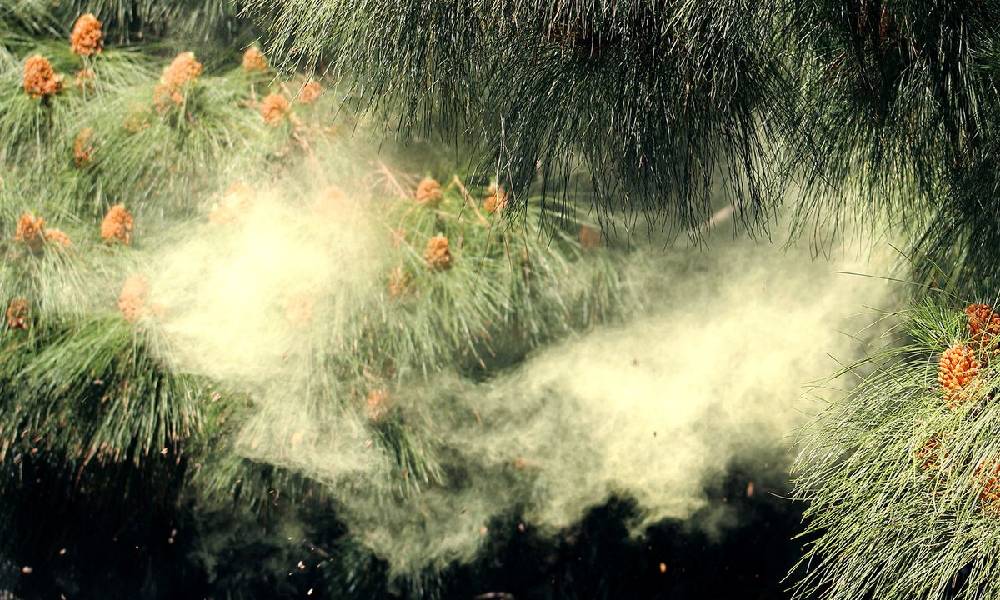
Tree pollen season kicks off the fun in late February through May, with highest tree pollen counts in March and April. Interestingly, pine pollen, which is most noticeable, with its yellow coating on cars and surfaces, tends to be less of an allergy problem for most people, due to its larger particle size.
The onslaught continues in late April – June when grass pollen season begins, just as tree pollen is subsiding, and can continue in some measure throughout the summer. Late summer through November brings weed pollen season, particularly ragweed, which can causes allergic problems through the first frost.
Allergy sufferers report they manage symptoms by monitoring daily pollen counts, and avoiding the outdoors during peak pollen levels, usually between 5 – 10 a.m. Keeping windows closed and using a HEPA air filter can also be helpful
Tree pollen poses the most challenging dilemma for gardeners who want to keep their decks, patios and outdoor furniture clean. Right now, tree pollen is starting to penetrate screens and coat the floors of every outdoor surface. I read some recommendations on outdoor pollen cleaning and maintenance from Amy’s Green Cleaning in Sautee, Georgia. Their motto is “Every breath is a gift!” They recommend a “dry cleaning” method for pollen on screened porches and other outdoor surfaces.
Step away from the hose! Because of the stickiness of tree pollen, the cleaning company does not recommend using a garden hose as your only cleaning method. Wetting tree pollen leaves behind a sticky mess that can linger and be hard to get rid of over time. Use a microfiber rag or lamb’s wood duster and start rubbing the screens and surfaces to remove as much of the dry tree pollen as you can. Then add a small amount of cleaner to your rag and dab the excess pollen off. You can make your own tree pollen cleaner with a combination of Castile soap, distilled water, witch hazel and essential oils, like lavender and lemongrass. You may need to clean about three times throughout the season to satisfactorily remove tree pollen. Covering your outdoor furniture with old sheets during peak pollen season is a great way to save on cleaning.
Homemade Tree Pollen Cleaning Solution:
16 ounce spray bottle
- 1½ cups distilled water
- 1-2 tablespoons liquid Castile soap
- 2-4 tablespoons Witch Hazel
- 20-30 drops essential oil (total), like lavender and lemongrass





Leave a Comment
You must be logged in to post a comment.