


 2758
2758 0
0
According to the International Ornithologists Union (those who study birds), there are 366 hummingbird species in the world, the second largest family of birds after flycatchers! Our Ruby-throated hummingbird predominately resides in the eastern United States and Canada, while the Rufous, Anna’s, Allen’s, Calliope, Costa’s, Broad-tailed and Black-chinned hummingbirds make their homes in the western United States and Canada.
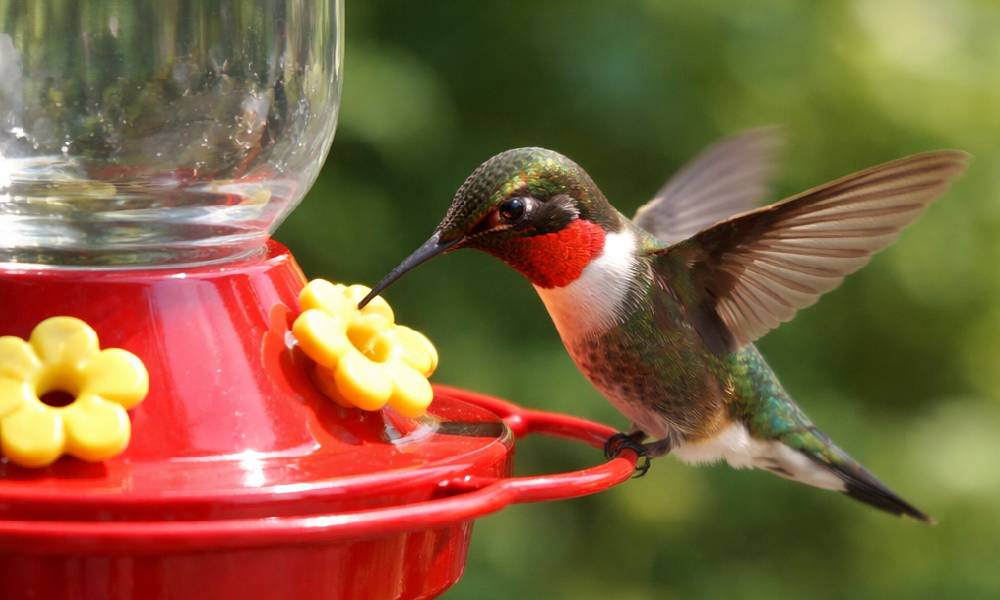
Here in Georgia, our most familiar and most numerous hummingbird is the Ruby-throated (Archilochus colubris), identified by the male’s stunning ruby-red throat (gorget). The red is beautifully matched with a metallic green back and green head crown. Like most bird species, the female’s appearance lacks the “bling” of the male. The female Ruby-throated hummer has a bright green back and a dull white throat.
The Ruby-throated is the only hummingbird to breed east of the Mississippi. While most Ruby-throated hummingbirds spend their winters in Mexico and Central America, an increasing number are deciding to stay put and winter in the southern states, including Georgia.
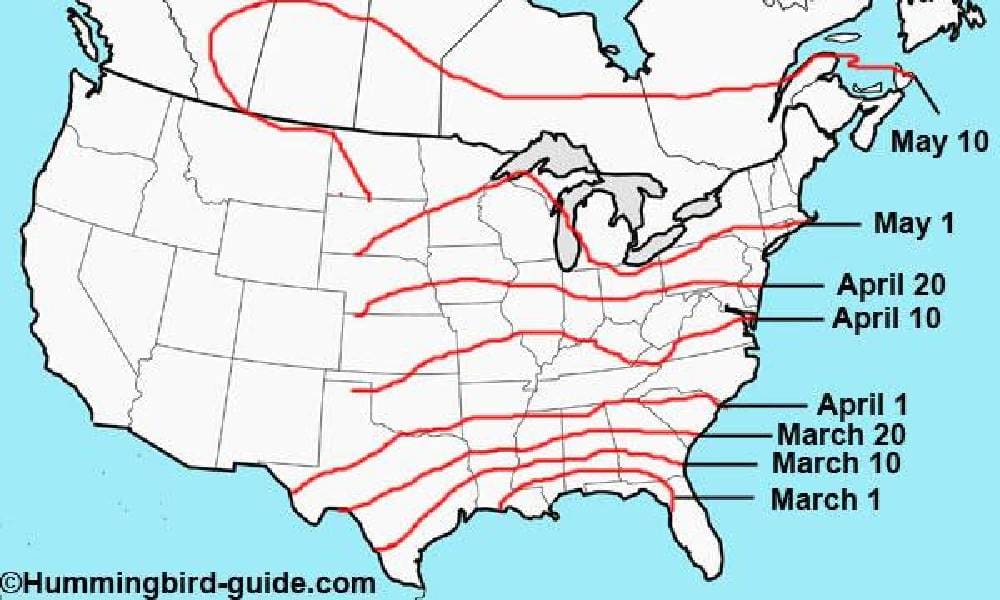
If you love hummingbirds and want to be alerted to their migration patterns, subscribe to the informative newsletter, hummingbird-guide.com. According to this site, the migration of the Ruby-throated hummingbird usually starts in February, when they travel from Mexico and Central America, and ends in late May in their northern most habitat of Canada. The males are first to leave, followed by the females about two weeks later. Hummers are already being sighted in Georgia!
Get ready now to greet the new-comers as they arrive by placing feeders, preferably in shade to part shade, at least five feet above the ground to deter predators. If you decide to use a window feeder, remember to add a window decal to keep birds from crashing into your window and injuring themselves!
How to attract hummers to your garden:
- Place a red-trimmed feeder (the birds are attracted to the color red) in an area where you can enjoy watching the show.
- Fill the feeder with a well-mixed, 4:1 ratio, solution of four-parts boiled water to one-part sugar. Use pure, granulated sugar and not honey or artificial sweeteners. Do NOT mix in red dye with the solution, because it is potentially harmful to hummingbirds.
- Install an ant moat above the feeder to deter ants from swarming your feeder for the sugar water.
- Regularly clean the feeder and change out the solution, especially in the heat of the summer, to keep the solution from spoiling and the feeder from becoming mildewed. Hummingbird-guide.com even offers a Humming Bird Feeder Fresh Nectar Defender for sale that “protects the freshness of hummingbird nectar and stops spoilage for weeks. It is bird-safe, and works using a micronutrient, copper, naturally consumed by hummingbirds in their diet of nectar and insects.”
- Add pollinator-plants, that hummingbirds, love to your garden, including fushia, cardinal flower, trumpet vine, foxglove, zinnia, morning glory, orange butterfly weed, and lantana.
It can be a little work to establish a habitat for hummingbirds, but the rewards are fabulous as you watch this miraculous, magical creatures swoop throughout your garden all summer long.







Leave a Comment
You must be logged in to post a comment.