

 2785
2785 42
42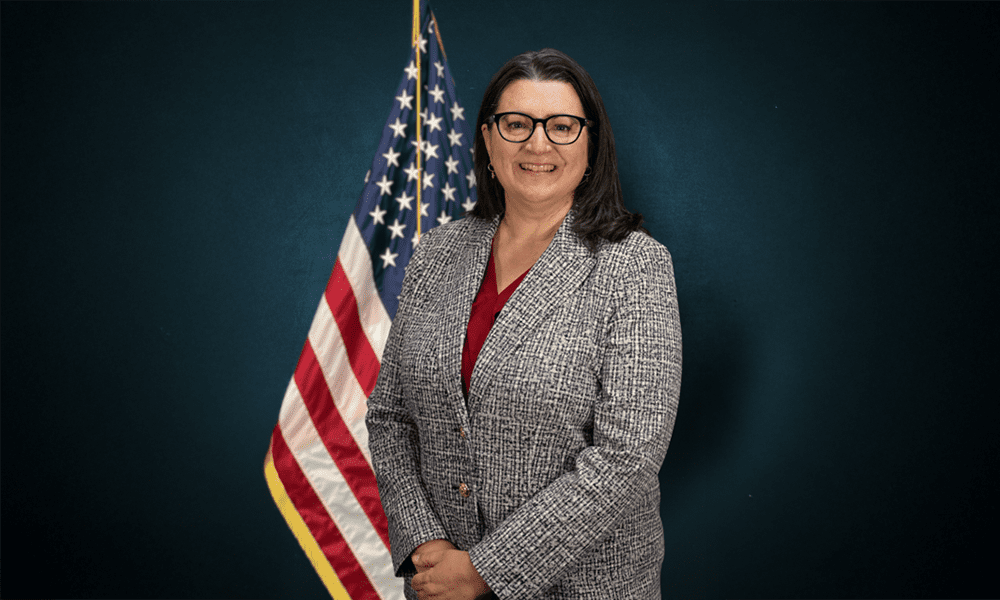
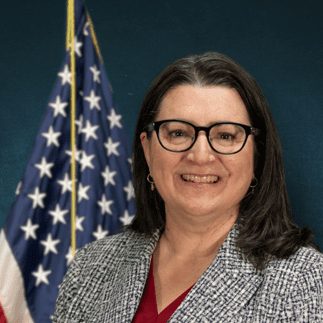
I’ve been asked to weigh in on Georgia’s Senate Bill 74, which is currently moving through the state legislature. Basically, what SB 74 does is remove legal exemptions for librarians relating to the sale or distribution of “harmful materials” to minors. Violations would be considered a misdemeanor of a high and aggravated nature, punishable by a $5,000 fine and up to one year in jail
The problem with these types of bills is that “harmful materials” means different things to different people. Georgia law attempts to define it, but much of it is subjective. For example, I can tell you from experience that some people consider a young adult book with a gay character to be “harmful material,” regardless of the merit of the entire work. Some consider nude paintings in an art book to be obscene. Some get upset over the depiction of guns in children’s books. Who gets to decide? And should one person’s (or group’s) discomfort restrict others’ access to books?
Some proponents of the bill argue for the objectionable material to be relocated to an area inaccessible to minors; however, we don’t check IDs for people to access our adult collection. I don’t know any public library that does. Are we really going to have to lock books up or have an “adults only” back room like they used to have in seedy video stores just to get a copy of The Handmaid’s Tale or The Bluest Eye?
Right now, we have a system in place that works. PINES-member libraries require a parent or legal guardian’s signature for all children under 18 wanting their own library card. So if a parent wants to limit their child’s access to library materials, they can do so by having one “family” card that they keep in their possession. That wouldn’t be my first choice as a parent, but again, it’s not my decision to make for others.
A word about school libraries: All libraries, including school libraries, are meant to include a broad selection of books. Parents who object to certain materials can utilize district procedures to influence what their own child reads without imposing their beliefs on all students. For more information on this topic, visit the National Coalition Against Censorship’s School Book Challenge Resource Center .
On a personal note, when I was in middle school, my mother gave permission for me to read Then Again, Maybe I Won’t by Judy Blume. It was very controversial for its depiction of puberty. She warned me not to discuss it with other kids whose parents hadn’t given them permission to read it, but it turned out to be a big nothing burger! Okay, it wasn’t nothing – it got me to read! But when my friends asked me about it, there honestly wasn’t much to tell. I suspect that to be true for a lot of the books written for young adults today. Most kids hear and see plenty of uncurated content via smartphones. Books aren’t the problem. In fact, they might be part of the solution to a lot of society’s ills. Chew on that.
I like to tell people that Peachtree City Library isn’t “Jill’s Library.” I purchase books for the library every day that I would never read or purchase for myself because I understand that working in a public library is not about me and my personal tastes. It’s about the community as a whole and everyone deserves to see themselves reflected in our collection, including members of our LGBTQ community.
A patron once commented that our collection is “eco-wacko.” Another person told me, “Not everyone in Peachtree City is a Republican!” Apparently, we are an equal opportunity offender – as any good library should be. We just received a shipment of “Inspirational Fiction” last week and I’m sure we’ll get some pushback. But that’s the way the system works. If you don’t like it, don’t check it out. I guarantee we can find you something else that you will like.
Yesterday (2/09/26), a documentary called The Librarians premiered on PBS’s Independent Lens (Season 27, Episode 5, that explores the implications of restricting library content – and it’s chilling. It is free to stream now. Don’t miss it!
For more information on the legislative landscape for libraries in the U.S., visit EveryLibrary.
If you care about libraries and the freedom to read, let your voice be heard. You can find contact information for your state representative at: https://georgia.gov/contact-state-legislators


Leave a Comment
You must be logged in to post a comment.