


 4653
4653 14
14
Three months after a Peachtree City resident died from a fentanyl overdose, police have arrested two people under Georgia’s 2024 fentanyl law known as Austin’s Law.
Peachtree City police and fire responded to a home inside city limits in November for a reported overdose. Despite life-saving efforts, the individual died at the scene. A Georgia Bureau of Investigation toxicology report later showed fentanyl was the predominant drug in the person’s system.
Lt. Brad Milstein of the Peachtree City Police Department, Criminal Investigations Division Commander, said that finding shaped the direction of the case.
“Because of the recent 2024 Austin’s law that lays out that aggravated involuntary manslaughter, that allows us to do a little bit more with pursuing people who are distributing and selling fentanyl specifically,” Lt. Milstein said.
How Austin’s Law applies
The charge falls under O.C.G.A. § 16-5-3.1, commonly referred to as Austin’s Law. Lt. Milstein said the statute applies when fentanyl causes an overdose death, even without intent.
“This one specifically deals with manslaughter when somebody dies,” Lt. Milstein said. “This is dealing specifically with fentanyl, and it’s regardless of whether or not there was intent.”
He explained that a person can be charged if they cause “a fentanyl overdose death without the intent to cause the death by intentionally manufacturing or selling any substance that contains fentanyl after presenting such substance as any controlled substance.”
“If they tell you that this is any form of controlled substance and it contains fentanyl, and that person takes it and dies, regardless of whether you intended them to die, you can be charged with this statute if there’s fentanyl in this product,” Lt. Milstein said.
Investigation and arrests
Detectives used multiple investigative tools, including digital communications and other evidence collection methods, to trace the source of the fentanyl. Because the investigation remains open, Lt. Milstein declined to discuss specifics but said, “It was obvious through our investigative efforts.”
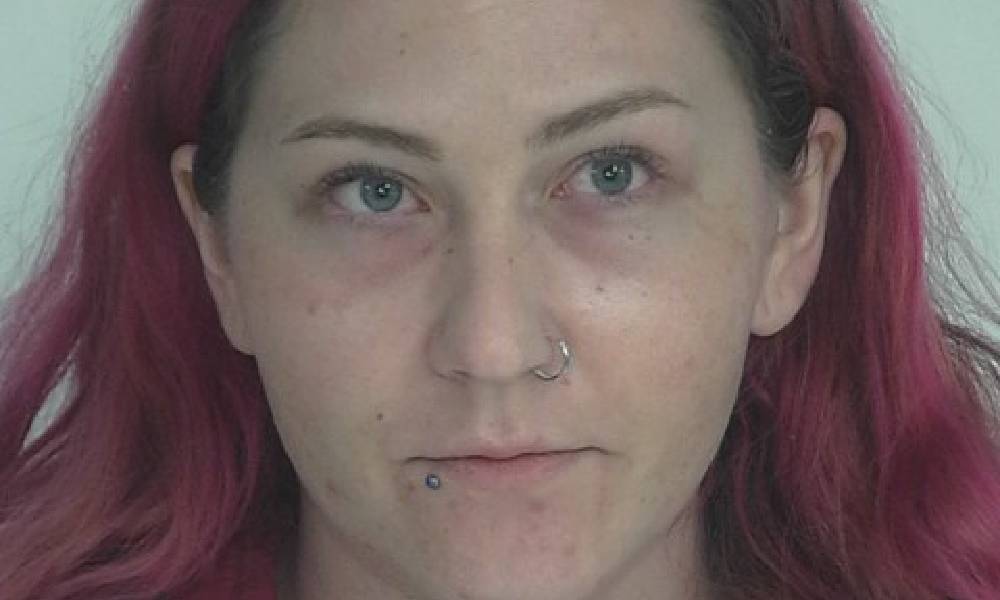
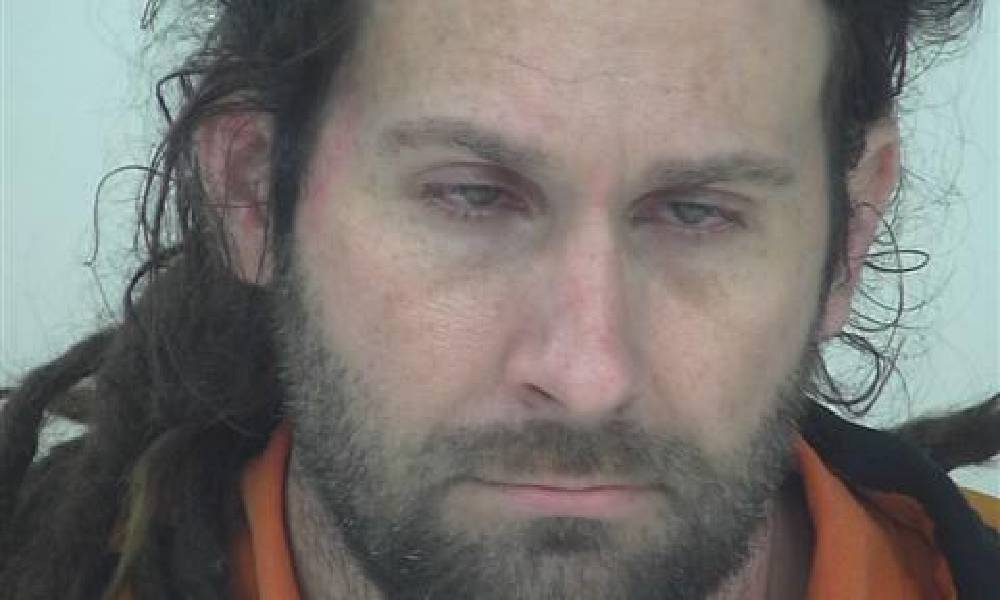
Arrest warrants were issued February 1, 2026, for Jordan Houston Lytton and Rachel Cecelia Myers. Both are charged under O.C.G.A. § 16-5-3.1(b) with aggravated involuntary manslaughter, along with possession with intent to distribute fentanyl and use of a communication device to facilitate a felony.
Lytton was already in custody in Coweta County on unrelated matters when Peachtree City served its warrant.
Myers was located in Sandy Springs, where Peachtree City investigators worked with the Sandy Springs Police Department to take her into custody and execute a search warrant at the residence.
“Our crime suppression unit in conjunction with Sandy Springs department affected that arrest, and then Sandy Springs affected the search warrant subsequent to that of the resident,” Lt. Milstein said.
According to police, fentanyl, methamphetamine, morphine, LSD, and a firearm were found during that search.
Fentanyl’s reach and overdose risk
Lt. Milstein said fentanyl is now common in many illicit drugs sold at the street level.
“Almost all of them that we’re seeing… are containing at least some percentage of fentanyl in them,” Lt. Milstein said. “It’s very common as far as the illicit narcotic analgesics in this town of what we do see most of them have some percentage of fentanyl in them.”
He said fentanyl’s potency makes even small amounts dangerous.
“Fentanyl, just being as powerful as it is, it can be cut so much and still be a lethal dose,” Lt. Milstein said. “Just a small amount more than what your body can handle, can cause death.”
Lt. Milstein said tolerance plays a significant role in many overdose deaths.
“Intolerance plays a major factor… where somebody is taking heroin or morphine or any other narcotic analgesic, they build up a tolerance, so they have to take more and more, then something happens, like they go to rehab, they get arrested, something happens where they are forced to not be able to take the drug for a period of time, then they relapse, and then take the same dose they took before, and now your body doesn’t have the tolerance, and you overdose,” Lt. Milstein said.
Lt. Chris Hyatt of the Peachtree City Police Department, Public Information Officer, said many users do not know what they are buying.
“A lot of our narcotics we’re bringing in, whether they’re believing that they’re in possession of methamphetamine, ecstasy, MDMA, some of the other street level drugs of that type are not truly the product they’re intending to purchase anymore,” Lt. Hyatt said. “They’re almost always cut with some amount of fentanyl.”
“You’re dealing with a completely unregulated market. You have no clue what you’re getting,” Lt. Hyatt added. “There’s no regulatory body for that.”
Accountability regardless of intent
Lt. Hyatt said the statute strengthens accountability for distributors.
“It provides an opportunity for accountability on the side of the distributor,” Lt. Hyatt said. “The ones that are profiting from the addiction and fueling the problem and making it worse. This allows us to go after the actual root cause of the repetitive nature of these types of issues.”
“The way they ensure the accountability side is regardless of the intent,” Lt. Hyatt said.
Lt. Milstein said the investigation remains ongoing.
“We have the law, and we’re going to use it,” Lt. Milstein said.
The case now moves forward in court as the Peachtree City Police Department continues working with regional partners to combat fentanyl distribution.







Leave a Comment
You must be logged in to post a comment.