


 4861
4861 1
1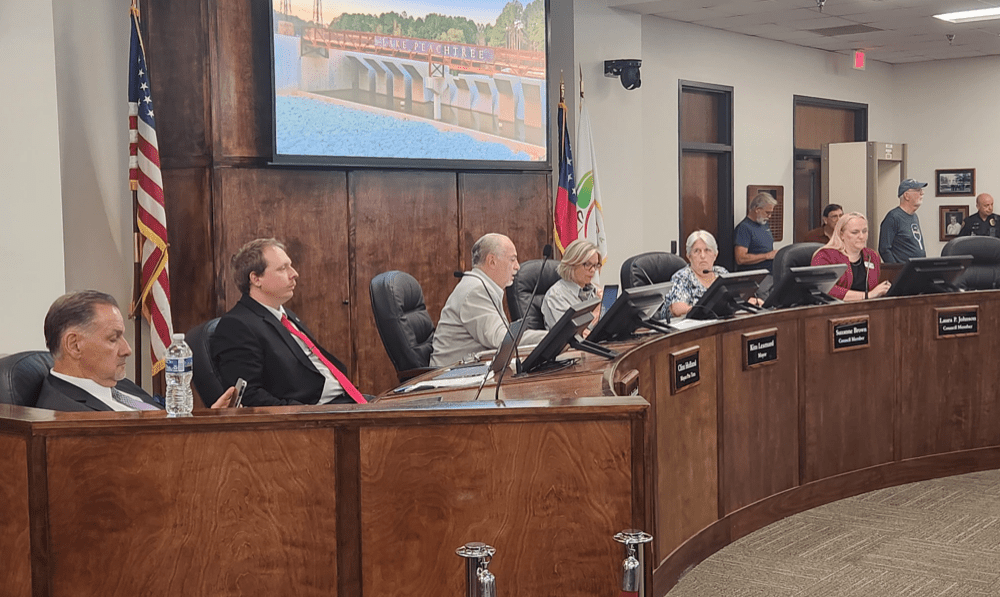
On Thursday night, very late into the evening of what became a four-hour long meeting, Peachtree City Council members approved a series of cuts to the city’s 2026 budget, trimming about $500,000 in expenses, and they approved the budget, which had been in flux.
This was part of an effort of Council Members Suzanne Brown and Clint Holland who have indicated that they would like to have a millage rollback. They gave these potential cuts to Mayor Kim Learnard and Council Member Laura Johnson to consider three hours before this week’smeeting.
The largest adjustment came with the removal of a $387,000 fire training tower. Council members agreed the project would improve firefighter readiness but decided to delay construction, leaving the door open to fund it later through city reserves.
Also cut were two code enforcement golf carts and related part-time salaries, totaling more than $117,000. While the idea of golf cart–based enforcement had been pitched as cost-effective and community-friendly, council members concluded it was an unnecessary expense given the city’s current priorities. Some argued that a stronger police presence on cart paths would accomplish the same goals more effectively.
In contrast, employee merit awards remained in the budget after spirited debate. City Manager Justin Strickland explained that the awards allow supervisors to make one-time payments to staff who demonstrate exceptional service.
“This is not across-the-board,” Strickland said. “It’s about recognizing individuals who go above and beyond. It helps morale, and it helps us retain good people.”
The proposed salary of a street sweeper operator, budgeted at $87,353, also stayed in the plan. Councilwoman SuzanneBrown initially pushed to cut the expense but ultimately supported keeping the position, describing it as “a necessary compromise” that ensures safety and cleanliness on city roads.
The $500,000 in total savings amounts to roughly 1% of the city’s budget. Strickland cautioned that while the reductions put Peachtree City in a better position to roll back the millage rate, the outcome will depend on the certified property tax digest expected later this year.
“We’ve been within 1% the past two years, but it’s never certain until we have the digest,” he said.
Mayor Kim Learnard underscored the importance of compromise, noting that every cut represented tradeoffs. “It is critical that we pass the budget,” Learnard said, pointing out that financial stability ensures the city can maintain services while exploring tax relief.
Currently, with the homestead exemption and the provisions in HB581, Peachtree City is already giving an effective rollback to homeowners, so council member Johnson and Mayor Learnard both questioned the need to cut anything from the budget that the city created.
But with these cuts, Peachtree City Council was able to get consensus and pass the budget, and all of the items cut were new to the budget—no existing staff or services were removed.
For now, the council has struck a middle path. Essential services remain funded, some employee recognition is preserved, and council managed to work together, even if it took longer than expected.
Most council members seemed inclined to fund the fire training tower’s $387,000 expense out of reserves, which some council members are intent on reducing. It would not be surprising if a council member suggested that proposal in an upcoming meeting.



Leave a Comment
You must be logged in to post a comment.