


 3512
3512 0
0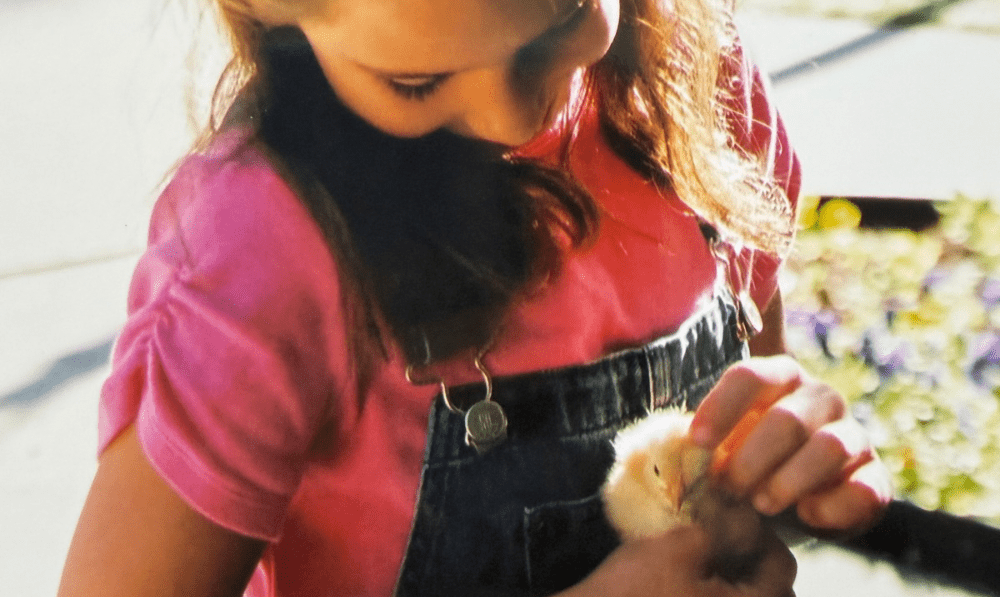
I did not intend to become the kind of person who owns ducks. That distinction, like a neck tattoo or a timeshare in Branson, usually follows a series of small, questionable choices. By 1999, I had made my fair share of questionable decisions, so one more at a farm supply store in South Georgia seemed fitting. It was the Buc-ee’s of the town, with boiled peanut signs, beautiful ferns, and six-inch tomato starts ready for the drive back to Peachtree City. The heel of my 4-inch pumps paused in the soft gravel, reminding me I was a suburbanite. The air smelled like spring sunshine—a blend of optimism and livestock feed.
My Suburban veered off the road when it saw the ferns, I swear. A car like that likes to load itself up with more than just kids now and then. So, naturally, I listened, opened the back, tossed a soccer shoe or two up front, grabbed a small bottle of real Coca-Cola and a few boiled peanuts, and started to shop. My day of showing a California client a big, sprawling farmstead had ended, and my inner cowgirl had surfaced.
I set aside a few ferns for my porch, toyed with the idea of growing tomatoes in pots, but then I heard it: the soft, frantic quacks of baby ducks. It’s a sound that bypasses reason entirely and goes straight to whatever part of your brain once begged your parents for a hamster that lived exactly three days.
And there they were. Not the expected palette of respectable farmyard neutrals—no muted browns or practical yellows—but pink. Not “naturally occurring flamingo bird” pink. More like “Easter exploded” pink. The color of a frosted cupcake or a highlighter that has given up on subtlety.
A young cowboy, wholesomely handsome in his wranglers and work boots, approached me, the way museum docents’ approach someone who’s been staring too long at a single painting.
“They’re dyed,” he said, gently, but the word dyed sounded like DYYYYYED, explaining plainly as though I might otherwise assume I’d stumbled upon a rare species of cotton candy poultry.
“Of course they are,” I replied, nodding in a way that suggested I had always known this, had maybe even written a thesis on it.
I should have left then. A reasonable person would have admired the ducks from a safe, emotionally distant place and gone home to their tomato plants. But one of them—a particularly vivid shade of pink, bordering on aggressive—locked eyes with me. Or maybe it just blinked in my direction. Either way, I felt chosen, but chose to save the ones that were about to be sprayed pink.
“They need a home, and they need to be natural,” I said, to no one, but loud enough for the cowboy to hear, and ironic since I have dyed myself blonde since I was 33.
“They all need homes,” he said, which felt unnecessarily philosophical for a place that also sells mineral blocks for livestock that will all be steak one day.
Next thing I knew, I was walking out with a cardboard box that pulsed faintly with three small ducks, all saved before they became pink, in a very judgmental takeout container.
At home, they were introduced to my three daughters, who were 14, 12, and 8, and they quickly named themselves after the candies they hoped the Easter Bunny would leave in their baskets. We had Skittles, Snickers, and Jellybeans. The newspaper spread thick on the laundry room floor lasted about 12 seconds. Doing laundry or even picking up a duckling felt like walking through the house of horrors, where there was either duck doo or a small, needy yellow bird craving a bit of sanity.
The ego of my former 4-H self was delusional enough to feel both confident and deeply unqualified to raise these ducks, but I was self-righteous enough to justify it by the fact that, at least, they were not pink. And the girls loved them. I was teaching them to care about nature and animals, all within our four stucco walls, in between soccer games and house showings.
They kept clucking constantly. Not in a charming, sporadic manner, but like a smoke detector that needs a new battery and has emotional needs. The girls held them, put them in doll beds, fed them with a dropper, and tried to train them to follow through the kitchen by dropping Cheerios behind them. They would confuse which one Jellybean was, which one was Skittles, and which one was Snickers.
Over the next few days, I became the kind of person who checks on her ducklings more often than answering her phone from a real estate client. I worried about their temperature, their hydration, and their psychological well-being. I went to the library for books on behavior with questions circling in my mind, “Do ducks have friends?” and “Is it normal for a chick to stare into the middle distance like it’s reconsidering its life choices?”
They grew quickly, as babies do when they’re determined to upend your sense of normalcy. And we built them a pond, in the front yard, since we had a pool in the back, and I knew firsthand they pooped ALL. THE. TIME. We had visions of making them long-term members of our girlhood family, like the Peabody Ducks at the Peabody hotel.
And just like that, they were growing bigger, stronger, and more independent. After school, chores included spraying the sidewalk to clean up duck doo and spending quality time with them to keep them domesticated. My youngest, at four, took this job very seriously. One day, she held Skittles a bit too tightly and unknowingly snapped a part of its wing. She then placed all the ducks in the pond so they could practice their swimming. By the time the older girls got home to check on their prospective ducklings, Skittles was floating, and not on a raft.
When building the pond, I didn’t include a rock or an exit for injured wings. Ducks hopped or flew out, frogs leaped, and butterflies skimmed. No emergency exits were added during the initial construction.
My girls and I were devastated. A small funeral beside the pond took place. Comfort food of macaroni and cheese and chocolate brownies was served for dinner.
“I read that ducks really like being in large ponds of water, like Lake Peachtree.”
“But we will miss Jellybean and Snickers.”
“I know. But we can go feed them on Saturdays or Sundays.”
It was a different outcome from what we had planned. We gathered the two remaining ducks and took them to Lake Peachtree, setting them down among the larger ducks. They jumped into the lake, staying close to themselves.
The few days we golf carted over each weekend, we noted Snickers and Jellybean were still the new kids playing at the playground by themselves. Then one evening, we could no longer tell which one was which. Their adoption into a natural habit was complete. We still brought Cheerios and old bread, and I locked eyes with one who I feel sure appreciated my effort. He was a beautiful green, and not pink, and now in a lovely lake with plenty of snacks. Not a bad life for a duck.
Sometimes I miss that time—the absurdity of it all. The way we rearranged our lives around three small, noisy creatures who had no business living in a stucco subdivision. The way my girls learned, in real time, that loving something also means letting it go… or at least driving it to Lake Peachtree with a bag of Cheerios and good intentions.
We set out to save them from becoming something unnatural, and in the end, they taught us how to return things to where they belong.
Also, for the record, I still maintain they were better off not being pink.





Leave a Comment
You must be logged in to post a comment.