


 2535
2535 0
0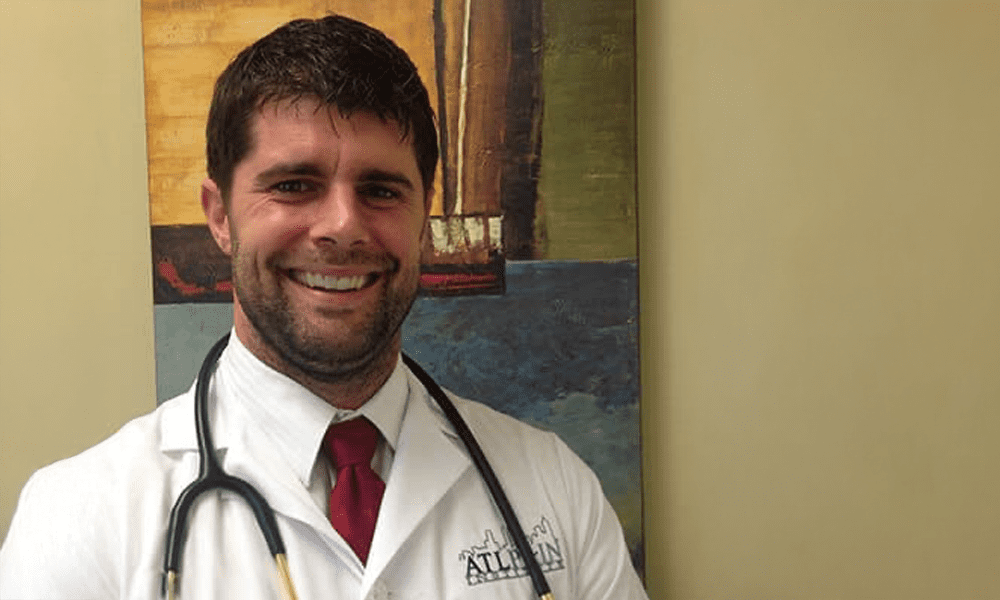
Losing balance often feels like an unavoidable part of aging, but Dr. Noah Marchese of HealthChoice Chiropractic says it doesn’t have to be that way — and now he has a new tool to help local patients prove it.
For Dr. Marchese, the conversation around balance starts with the basic truth that three major systems keep the body upright: the vestibular system, the visual system, and proprioception — the body’s sense of where it is in space. When any of these systems falter, balance begins to break down. “If there’s an eye problem, an ear problem, or just a lack of knowing where you’re at, balance can become affected,” he said.
Why Balance Problems Happen
As Marchese explained, changes in vision, such as cataracts or macular degeneration, can affect stability just as much as inner-ear issues or neurological shifts. The cerebellum, he said, acts as “the command center of your brain,” receiving information from all three systems and sending instructions through the spinal cord so the muscles know how to respond. When the communication becomes distorted, people begin to sway, misjudge steps, or fall.
One of the biggest misconceptions, he added, is that balance loss is simply an unavoidable part of growing older. “People think it’s just normal,” Marchese said. “But it’s also a big indicator if there’s other things wrong.” Those underlying issues can range from peripheral neuropathy to conditions such as multiple sclerosis, Parkinson’s disease, or the lingering effects of a traumatic brain injury. Because of that, patients at HealthChoice Chiropractic are often co-managed with neurologists when needed. “Sometimes they see the neurologist first, sometimes they come to me first,” he said. “Either way, we work together.”
Introducing BioMech: A First in the Area
To narrow down where balance issues originate and how to correct them, Marchese recently introduced a new technology to his practice: the BioMech balance system, which he believes he is the only provider in the area to offer. The system uses wearable sensors to track how a patient moves — not just where they place their feet, but the subtle shifts and sways that reveal how their body compensates.
As the patient walks or performs guided balance tasks, the sensors map out patterns. “If you’re always leaning forward and to the right, then if you’re going to fall, you’re going to fall forward and to the right,” Marchese explained. The system allows him to pinpoint exactly where the imbalance originates and create targeted exercises, postural adjustments, and gait training sessions to correct it.
Another benefit: patients can continue working at home. After completing in-office testing, they can receive a similar device for daily use and track their progress through an app. “If you do anything, the more you do it, the better you’re going to get at it,” he said.
One Patient’s Story
Although the technology is new to the office, Marchese has already seen encouraging results. One of his first BioMech patients was a man with diabetic neuropathy who had recently experienced several falls, injuring himself in the process. Marchese was already treating his neuropathy symptoms, but the balance issues remained stubborn.
After incorporating the BioMech system, the patient began practicing the exercises at home each day. Marchese can now log into a portal to monitor his progress and adjust the plan as needed. “I can print out the charts and see where we’re improving or not improving,” he said. The patient’s balance scores are steadily climbing — and the patient is thrilled. “He loves it,” Marchese added. “He can just pull it up on his phone and do it first thing in the morning, or whenever.”
When Should Someone Seek Help?
According to Marchese, people usually know when their balance has started to shift. They may notice their gait feels slightly off, or that they are swaying more than usual. Sometimes, they begin falling more frequently. “When people start to lose their balance, they know pretty quickly,” he said. Those signs should not be dismissed, he emphasized — especially because balance problems can worsen without intervention.
The key message he wants the community to hear: loss of balance is not something people have to accept, and it’s not something they should ignore. With technology that pinpoints the source of imbalance and provides measurable improvement, many patients can regain steadiness and confidence — often more quickly than they expect.
A New Resource for Community Health
Marchese introduced the BioMech technology to HealthChoice Chiropractic only a couple of months ago, but its impact is already clear. For many patients, it offers something that can be hard to find: a practical, data-driven way to retrain the systems that keep them upright.
“Other people might say they help with balance,” he said, “but this gives us real information about what’s happening and how to fix it.”
Visit HealthChoice Chiropractic
HealthChoice Chiropractic is located at 14 Eastbrook Bend #201, Peachtree City, GA 30269. Dr. Noah Marchese and his team welcome patients seeking solutions for balance challenges, neuropathy, chronic pain, and more. To schedule an appointment or learn about the BioMech balance program, call (770) 408-0184 or visit peachtreecitychiropractor.com.


Leave a Comment
You must be logged in to post a comment.