


 1239
 0
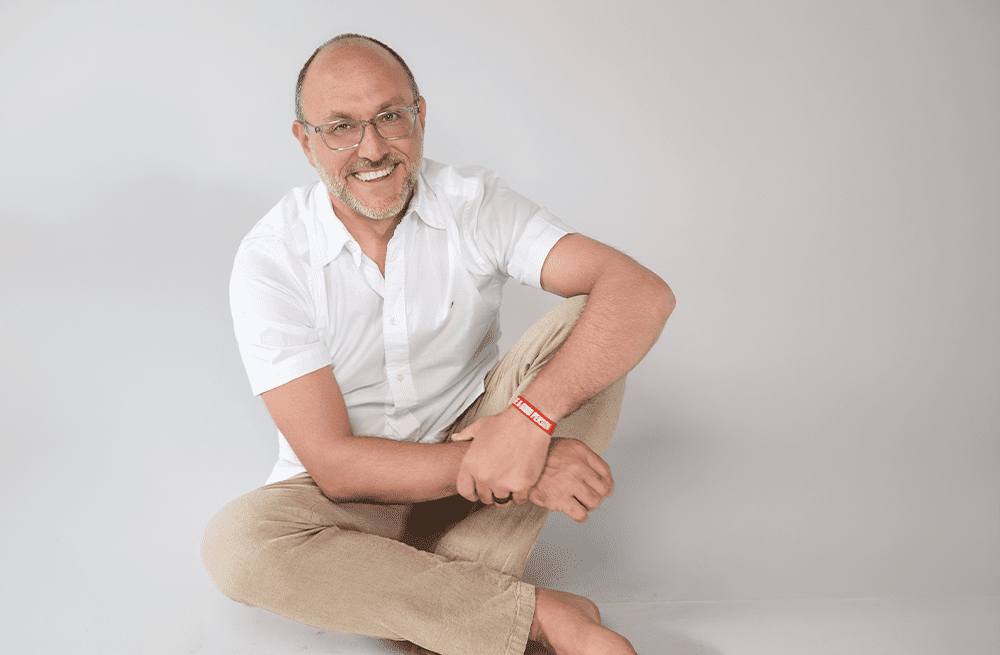
There’s a moment at every S.E.E.D. dinner that I’ve learned to wait for.
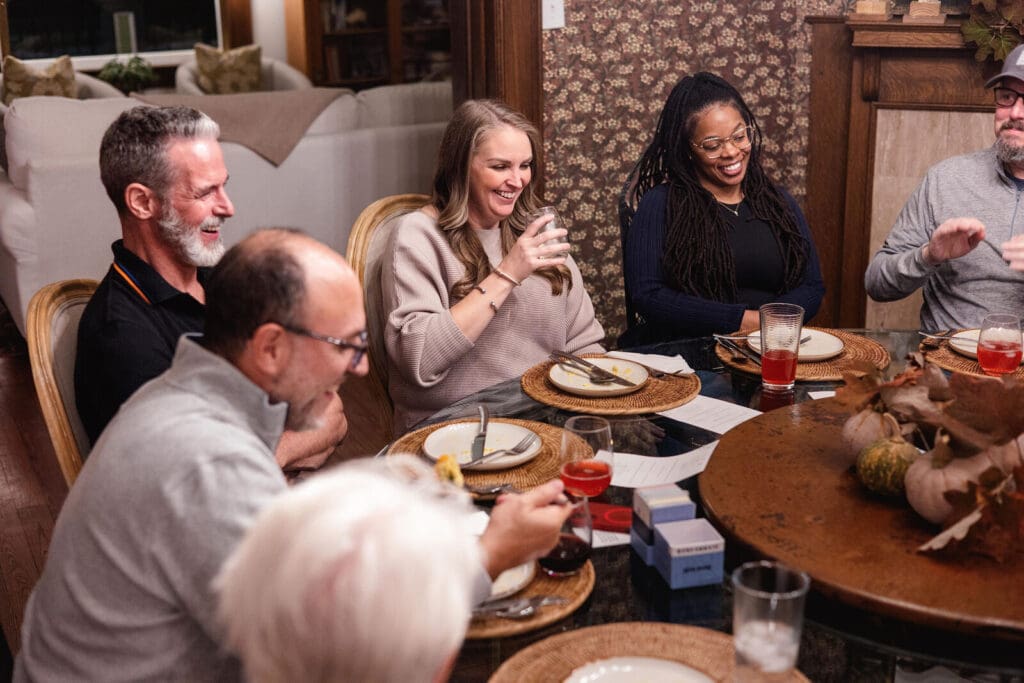
It usually comes somewhere between the second and third course. The polite introductions are done. Someone tells a story they didn’t plan to tell. Forks pause. And a group of people who mostly walked in as strangers start to feel like something closer to friends.
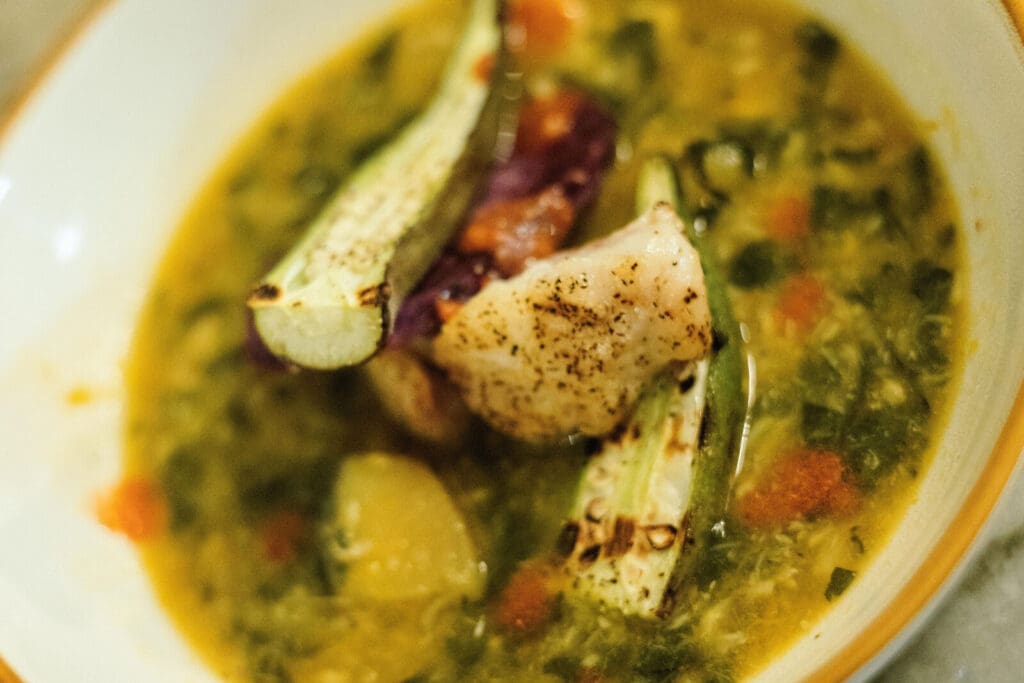
Last Thursday night, at our 27th dinner, that moment arrived over a bowl of Jamaican fish tea.
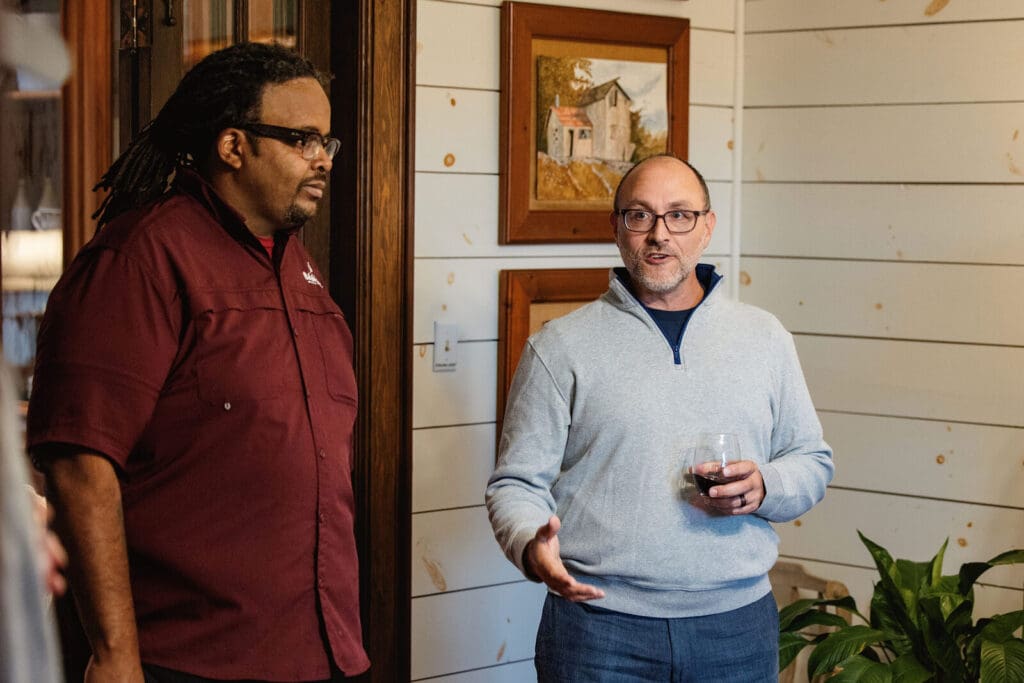
We gathered at Green Manor, Loi Palmer’s 1916 home in Newnan, which she opened to us along with her son, Wes. When Chef Andrew Chambers walked in, he said the house reminded him of an old Caribbean estate. Coming from a first-generation Jamaican American, that set the tone for the whole night.
If you’re new to it, S.E.E.D. stands for Select Entrepreneurs Eating Dinner. I’ve hosted it for nearly 10 years. The table is small on purpose, about 10 seats. There are no speakers, no pitches and no name tags. Just a thoughtful meal and the kind of people you’re glad you met.
I do ask one thing of guests: don’t lead with what you do for a living. Let it come out on its own. It always does, and it lands better that way.
A menu with a return address
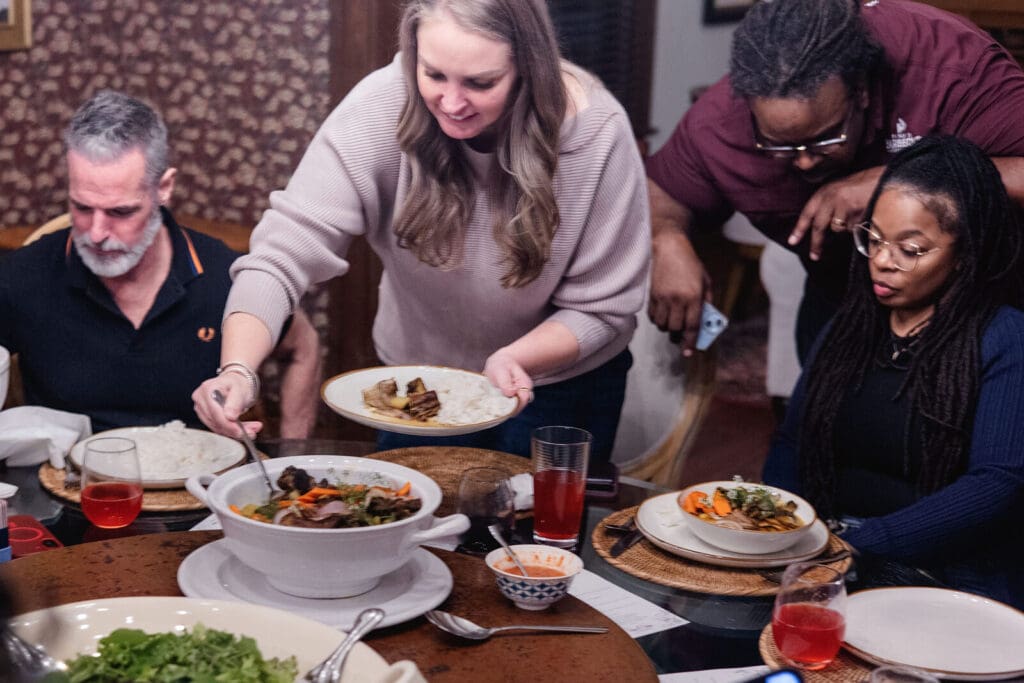
Chef Andrew’s goal for the night was simple. He wanted it to feel like eating at his home for the first time. So the main course came family style, passed hand to hand around the table.
Here’s what he served:
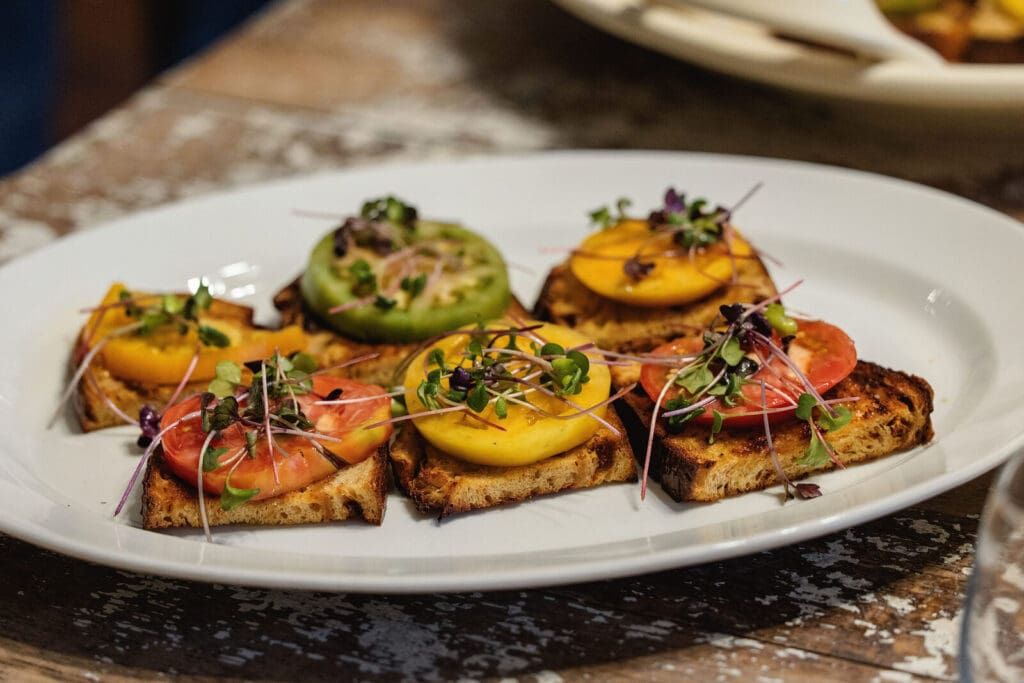
- To start: toasted sourdough (Loi’s own sun-dried tomato, garlic and thyme loaf) under heirloom tomatoes from Quercus Farm and microgreens, with an agua fresca of roselle, also known as Jamaican sorrel
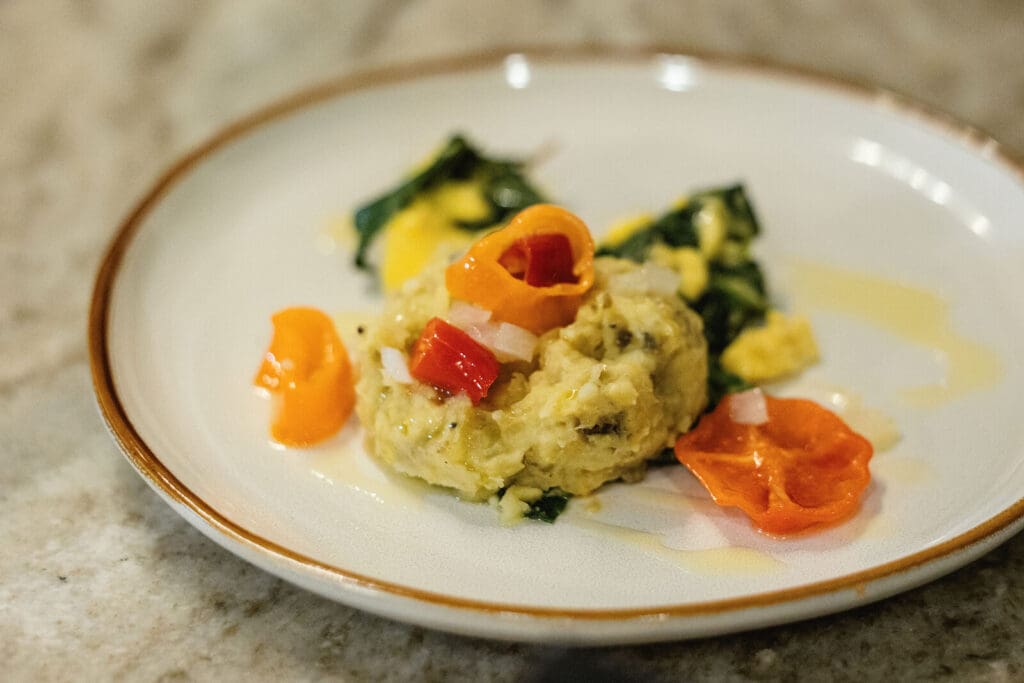
- First course: ackee, callaloo and mofongo with a sweet pepper sofrito. That’s Jamaica’s national dish and Puerto Rico’s national dish sharing one plate
- Soup: Jamaican fish tea with Florida red snapper, roasted pumpkin, kale, purple sweet potato and yellow yam. In the Caribbean, fish tea is served at celebrations. It fit
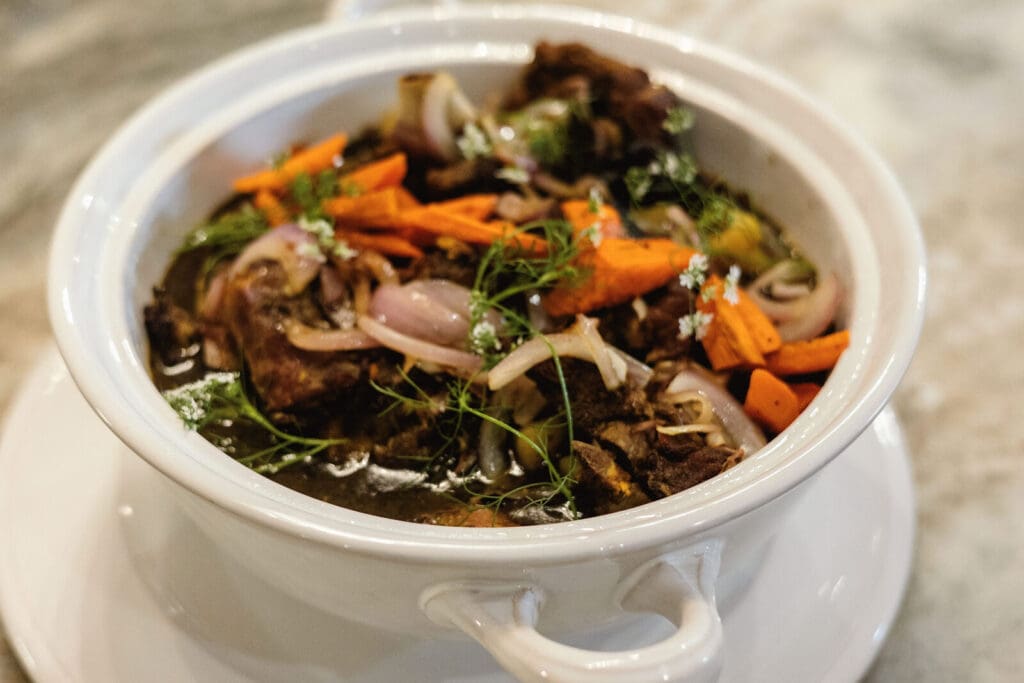
- Main: curried goat from a farm in Newnan, smoked and then slow-cooked until tender, with coconut rice and a garden salad
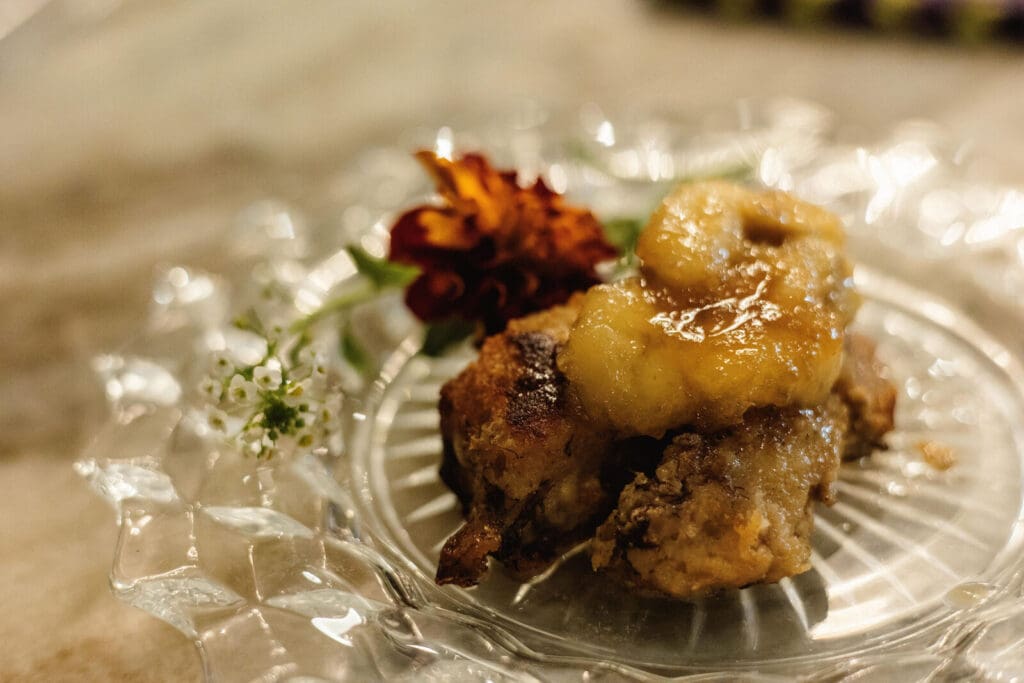
- Dessert: sourdough bread pudding with caramelized bananas, made from his late grandfather’s recipe
That last one got quiet. A recipe from someone you’ve lost isn’t just dessert. It’s a story you’re trusting a table of new people with.
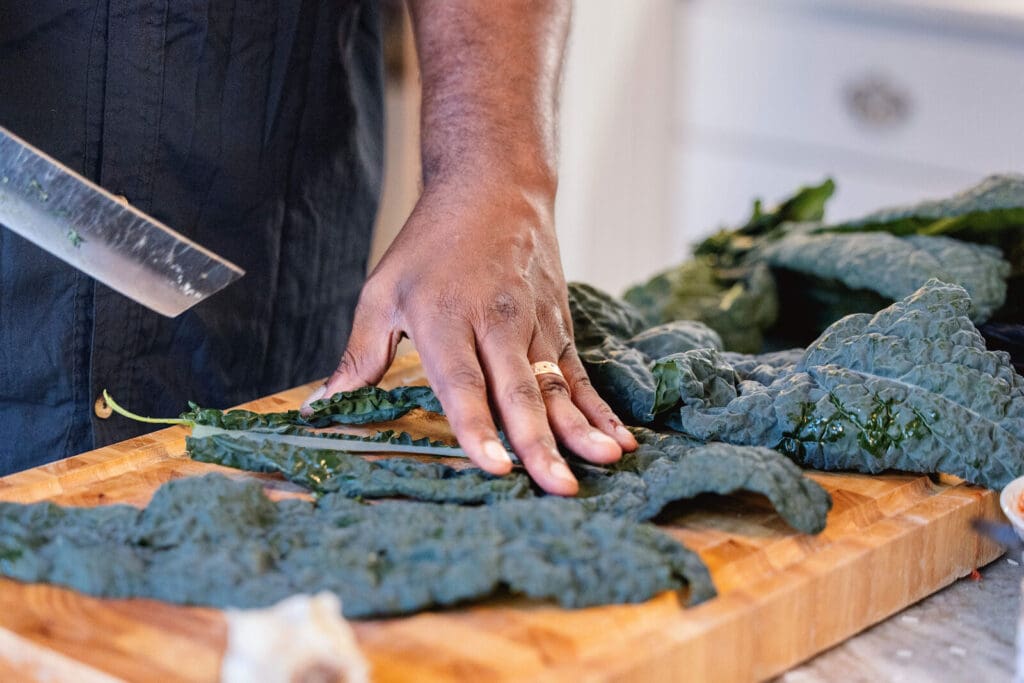
Much of the meal came from Quercus Farm in Gay, where Wes is the gardener. He also helped Chef Andrew plan the menu. The tomatoes, the sweet peppers in the sofrito and the salad greens all came from his rows. Quercus owners Angelos and Chiara backed the dinner from the start and were happy to supply the produce.
Quercus sits on a nearly 4,000-acre working ranch in Meriwether County. It also grows for Uberto, the restaurant on the property led by Chef Ryan Smith. And in timing nobody could have planned, the night before our dinner, Uberto earned its first Michelin star at the 2026 Michelin Guide American South ceremony in Nashville. It was one of only three restaurants across the seven-state region to earn a new star this year. Chef Andrew got the news by text that morning and called it serendipitous. I’d agree.
Wes spent four years living and farming in St. Croix, in the U.S. Virgin Islands. That Caribbean influence shows up in his garden, and it gave the menu a real sense of place.
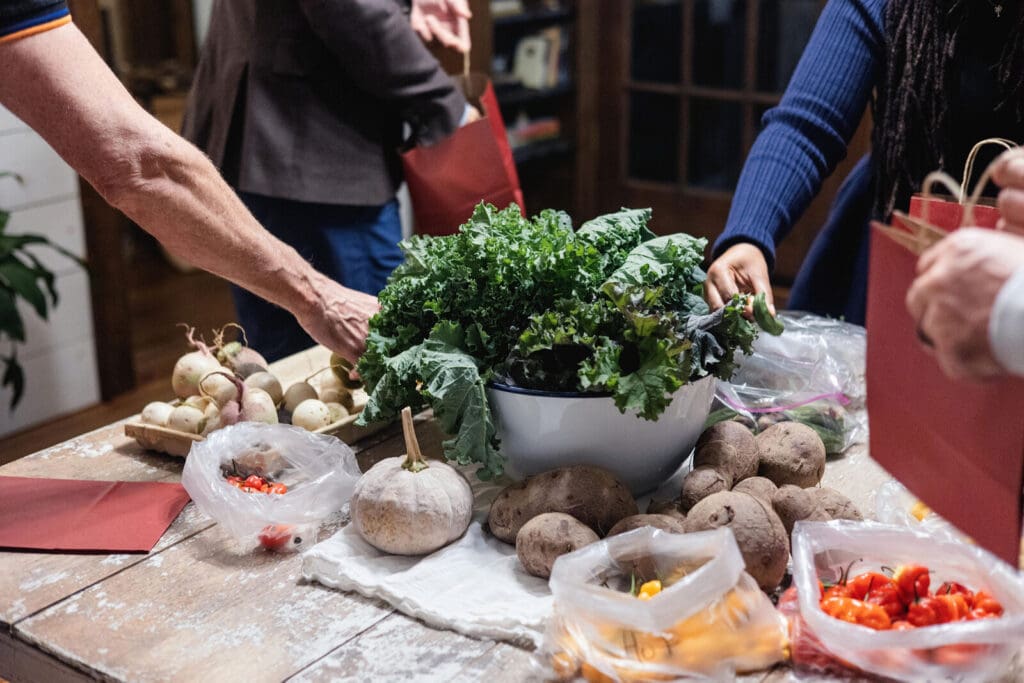
The printed menu also credited 180 Degree Farm in Sharpsburg, Circle M Farm in Molena, Alo Farm in Peachtree City, Pinewood Springs Farm in Stockbridge and Riverview Farms in Ranger. Even the citrus in the sofrito came from Sharpsburg. Guests went home with a bag of Quercus harvest: tomatoes, peppers, purple sweet potatoes, okra, turnips and radishes.
The business lesson on the plate
This is a food column. It’s also a business column.
Chef Andrew’s main business is Pink’s Barbecue, packaged and frozen and sold at farmers markets and through catering. His supper club, Plate & Platter, exists because customers kept asking for something the freezer case couldn’t give them: the food, fresh, with the chef in the room.
That’s the oldest lesson in small business. Listen to what your customers keep asking for, then build it.
He’s also earned the Snail of Approval from Slow Food Atlanta. That recognition isn’t handed out for taste alone. Evaluators visit the operation and look at sourcing, ethics and how employees are treated.
And every course on Thursday’s menu sent dollars back to a Georgia farmer. When people talk about “shopping local,” this is what it looks like at full strength. A chef, a handful of farms and a room of customers, all in the same local economy.
Who was around the table
I won’t name names. What happens at the table stays a little bit at the table. But I will tell you the kind of company we kept.
At one end sat a Paralympic gold medalist from the 1992 Barcelona Games, who later helped organize the 1996 Paralympics right here in Atlanta. Next to him were film industry veterans with decades of work in front of and behind the camera. Across from them: a former chief revenue officer of a nine-figure company, now consulting and investing his time in our local startup community. And two food entrepreneurs building an agritourism venture that connects chefs and diners to farms across Georgia. They’d love to stay connected with readers too: find them at @neighborhoodsupperclub and @foodworksouth.
None of them led with any of that. It came out in the stories.
What we talked about
The conversation went everywhere a good dinner should:
- How AI is changing the way independent professionals scope and price their work, and why clients still want a human to do the job
- Georgia’s film tax credits, what’s broken in the studio model and what independent production could look like here
- The restaurants that make Peachtree City and south metro Atlanta worth eating in
- Why Georgia’s HOPE Scholarship is a model other states should study
Then came the turning-point stories. A marriage that started with lottery tickets instead of flowers. A career built on the road, Sunday to Thursday, until it suddenly wasn’t. And a gold medal story that started with a childhood accident in 1968 and ended with a torch in Atlanta.
That’s the part you can’t plan. You can only set the table and make room for it.
What came out of it
A few things are already in motion from one dinner:
- Talk of a dinner theater night for a future S.E.E.D., with a screenwriter involved
- New connections between our film veterans and local creative projects
- Guests committing to follow and share Chef Andrew’s work, because small food businesses grow by word of mouth
One guest summed it up in a note the next morning: a great group, interesting people, and living a chef’s story through food is “exactly how I want to spend my Thursday nights.”
That’s what I mean when I say S.E.E.D. isn’t a networking event. Nobody worked the room. People just showed up, ate well and paid attention to each other. The business followed.
Why this matters for our community
We talk a lot about growing Fayette and Coweta’s small business community. Usually that means workshops, pitch nights and programs. Those matter. I help run several of them.
But some of the strongest connections in this county didn’t start in a meeting. They started at a table, when somebody slowed down long enough to hear another person’s story.
Thursday’s dinner was a small picture of a healthy local economy. A first-generation chef turning family recipes into a growing business. Georgia farmers getting paid fairly for good food. A historic home opened up by generous hosts. And a room of people who left knowing each other a little better than when they came.
If you want to be part of that, here are three easy ways:
- Buy from local farms. Find them at farmers markets and ask where your food comes from.
- Support Chef Andrew. Follow Pink’s Barbecue and Plate & Platter, and order for your next gathering.
- Pull up a chair. The next S.E.E.D. dinner is coming early next year. The table is small, and once the seats are filled, they’re filled. You can find details at selectentrepreneurseatingdinner.com.
There’s something different that happens when the right people sit around the same table. After 27 dinners, I’m still not tired of watching it happen.


Leave a Comment
You must be logged in to post a comment.