


 962
962 0
0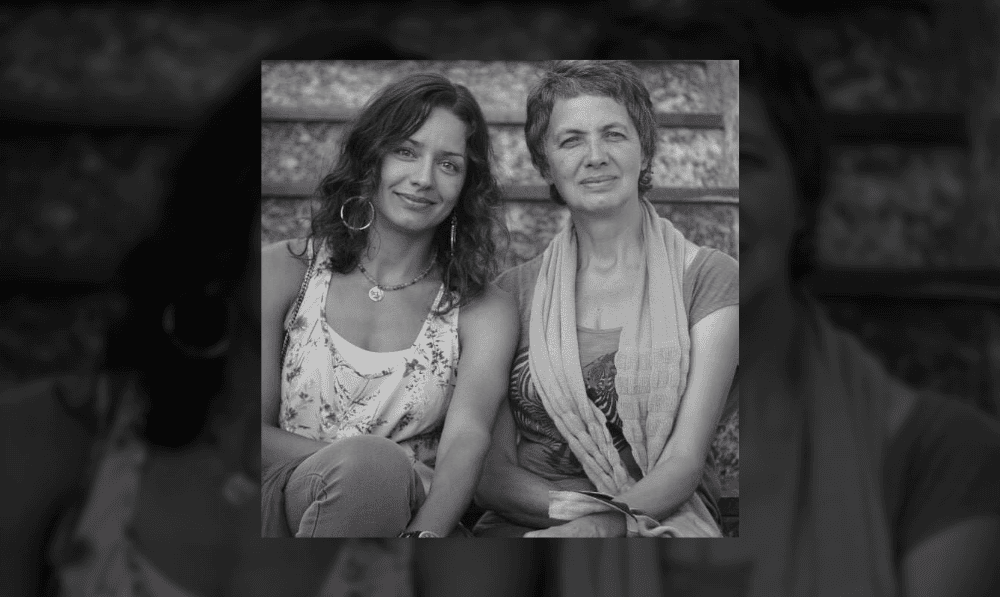
A recent weekend offered me a little bit of everything. Sunshine. Laughter. Softness. Ridiculous humor. And then a plunge into a cold so sharp it nearly took my breath away.
It began beautifully.
A wonderfully diverse group of women gathered for As You Are, a space created around a simple idea: women coming together exactly as they are.
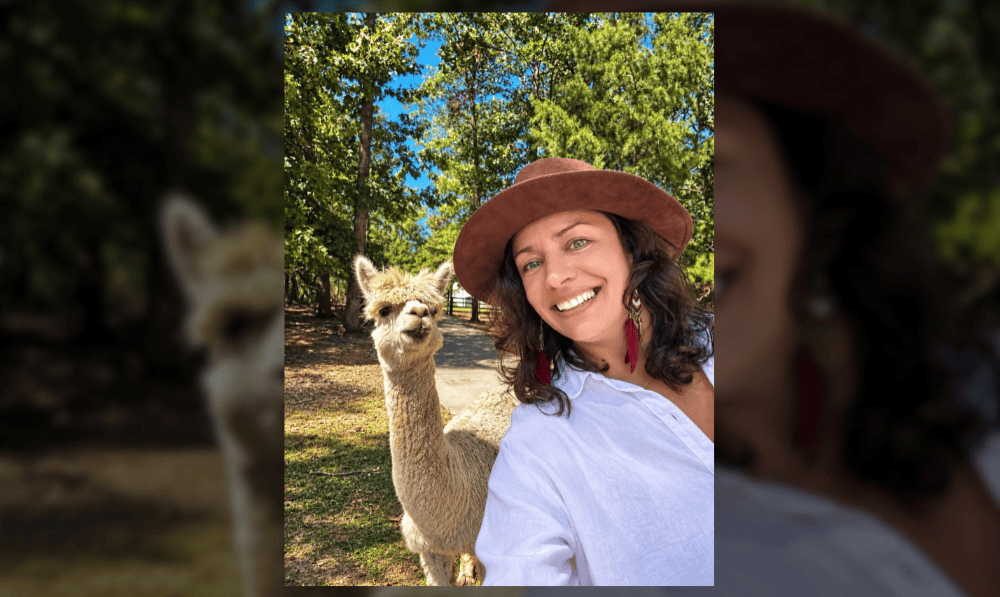
We met at a ranch, where sunshine filtered through the trees and we wandered among goats, cows, and alpacas. We swung on wooden swings like children, shared delicious food, stretched out on blankets in the grass, danced barefoot, and talked about our lives, our worries, our dreams, the things we are building and those we are still trying to figure out.
And because apparently the universe decided things were becoming dangerously wholesome, an alpaca spit on me. Clearly, she had opinions.
We laughed. Of course we laughed.
There was so much life in that gathering. Intelligence, humor, ambition, tenderness, wisdom, vulnerability, strength, and beauty. Not the narrow kind we are sold, but the beauty of human beings fully inhabiting themselves.
What made that morning particularly lovely was that most of these women were not old friends. One I had known for some time. Most were relatively new acquaintances whose stories I was only beginning to discover.
We came from different backgrounds, generations, and experiences, with different opinions and ways of seeing the world. Yet there was an ease among us, the kind that allows conversation to wander from the ridiculous to the deeply personal, from laughter to vulnerability and back again. The kind that makes it possible to share a dream still too fragile to announce to the world, or a worry you’ve been carrying quietly.
For a few hours, there was the delicious freedom of simply being. No need to impress, no need to shrink, no need to be anything other than ourselves.
I wish I could have held on to that warmth a little longer.
But the world came crashing back. It was the Cornell 7 allegations that knocked the breath out of me.
Another story, another young woman. Another horrifying reminder of how easily a woman’s humanity can disappear beneath someone else’s sense of entitlement.
It felt like plunging through ice.
And suddenly, memories I hadn’t visited in years, but that had always lived just beneath the surface, came rushing, bubbling turbulently to the top.
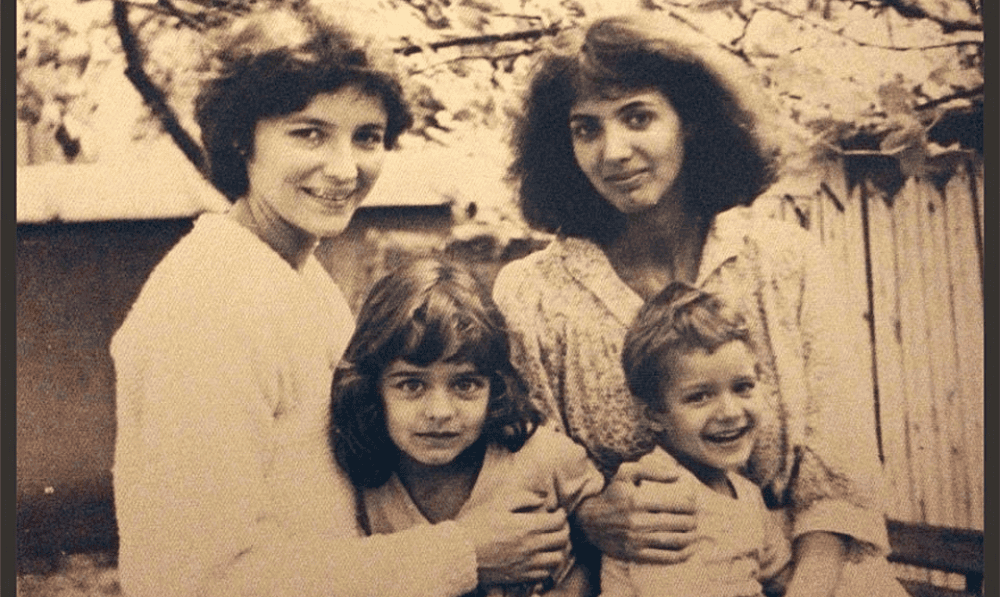
I was five again, standing protectively in front of my divorced mother when unfamiliar men appeared at our door.
A divorced woman. Apparently, to some men, that meant she must be a loose woman, available, fair game.
Sometimes my mother would ask me to answer the telephone, just in case one of those men was calling.
“Mom said to say she’s not home,” I would dutifully announce. Apparently, my five-year-old diplomacy worked.
I can laugh at that now. But why was a little girl already learning to protect her mother from unwanted male attention?
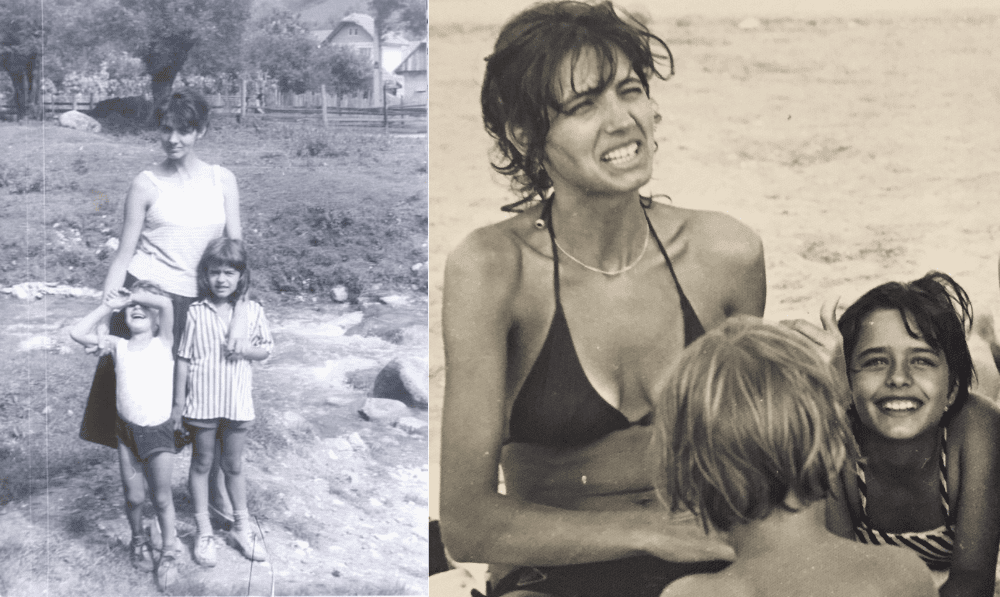
I was a schoolgirl again, pulling my bookbag low enough to cover my backside on the bus, hoping to escape the hands that grabbed and pinched. Walking two miles through the biting cold of Romanian winters because I felt safer on foot.
Except for that bridge.
The bridge where a man exposed himself to passing girls. Where I learned to scan ahead, quicken my steps, calculate whether I could pass before he noticed me.
Sometimes I wonder if that’s why I still walk so fast.
I was a teenager again, watching my best friend endure the terror of being stalked by a male college student whose obsession escalated until he entered her room and stabbed her belongings, including her teddy bear.
Thankfully, she wasn’t there. Her roommate discovered him. Police became involved, a restraining order followed, and he was eventually expelled.
Then a college student myself, learning that one of the four young women sharing our apartment had already survived sexual assault in high school.
And then, during my junior year, enduring an assault of my own.
All those years. All those memories. And suddenly, it was everywhere I looked.
Stories of women drugged by the men who were supposed to love them. Women assaulted. Women murdered. Little girls violated before they had even begun to understand the world they had entered. And I wanted to scream.
Because I had been talking about these things since college. Because my mother had lived with them before me. And my grandmothers before her. Because girls everywhere are still learning the same terrible lessons I learned decades ago.
Watch where you walk. Watch what you wear. Watch your drink. Watch who’s following you. Don’t be too friendly. Don’t be too trusting. Don’t make him angry.
How much of a girl’s childhood must be surrendered to learning how not to become someone’s victim?
How much of a woman’s freedom is quietly consumed by the calculations she makes simply to move through the world? And how, after all these decades, are we still here?
It is not simply the violence itself. It is the entitlement behind it, the dehumanization, and sometimes, most devastatingly, the silence of people who could have intervened.
How do you look at the full humanity of a woman, her mind, humor, dreams, contradictions, intelligence, fears, history, and potential, and reduce her to a body?
How do you turn a human being into an object to possess, use, control, or discard?
Across cultures and continents, patriarchal traditions have too often done precisely that. Reduced women from who to what. From person to possession.
And suddenly, that beautiful morning at the ranch took on an even deeper meaning.
Perhaps this is why spaces shared among women can feel so extraordinarily comfortable. Not because every woman is kind or every man is dangerous. Neither is true. But because there can be such relief in stepping away, even briefly, from the calculations women learn to make.
Perhaps we were not quite strangers after all. We may not know the particular bridge another woman learned to fear, the hands she learned to dodge, the words she learned to swallow, or the memories she has spent years trying to bury. But so many of us recognize the shape of those experiences.
Our lives are not interchangeable, and neither are our struggles. Yet sometimes, when we meet, there is a quiet understanding of the terrain, a recognition that does not require every story to be told before compassion can be offered.
And what a relief it is, occasionally, to walk without having to watch our backs. To be funny and foolish, ambitious and uncertain, tender and fierce. To share stories that make us laugh until our sides hurt, and sometimes the ones that break our hearts just to recall.
To be heard. To be believed. To be seen. To simply be. And isn’t that the most ordinary thing in the world?
It shouldn’t feel revolutionary. But sometimes, it still does.
Yet there is another truth I refuse to lose sight of. We are not merely the sum of the things we have survived. We are not only our wounds, our fears, our scars, or the terrible stories we carry.
We are precious friends who are there for each other, the ones we call in our darkest moments, the shoulders we sob on and the hands reaching down to pull us off the couch when we’ve rolled onto the floor snorting with laughter.
We are women who show up for one another, who celebrate each other’s victories, who build businesses, careers, friendships, families, and communities. We open doors, make room, offer advice, practical help, sometimes hard truths, and sometimes nothing more complicated than a blanket in the sunshine, a plate of good food, a listening ear, and the freedom to laugh.
We are the women I spent that beautiful morning with, intelligent, funny, complicated, tender, fierce, curious, creative, ambitious. Sometimes uncertain, sometimes gloriously ridiculous.
Fully human.






Leave a Comment
You must be logged in to post a comment.