


 2257
2257 0
0Americans have been arguing for 250 years, which is probably the most reliable sign that the country is still working. Every generation produces its faction convinced the whole experiment is about to collapse. In 1776, 1861, and the mid-1960s, roughly one-third of Americans opposed the major transformative change of the moment—independence, preservation of the Union, and civil-rights legislation. Continuing the trend, current polls suggest that around 30 percent of Americans would welcome a national divorce along ideological lines. The math never changes; only the costumes do.
Stated more optimistically, this glass has always been two-thirds full for maintaining our republic. Sure, we love to argue about the important (how to apportion congressional districts) and the trivial (who has the best barbecue or pizza), but most of us want to keep the family intact—even if that means enduring the annual debate about whether hot dogs are sandwiches, which they are not, and I will die on this hill.
The impulse to define ourselves against our opponents isn’t new. To understand this vocal minority’s need for dissension, I turned to British critic William Hazlitt. In 1826, he wrote a defense of animosity: “On the Pleasure of Hating.” He framed hatred as a feature, rather than a bug, of humanity: “a never-failing source of satisfaction.” He found it everywhere: crowds rushing to fires, children torturing insects, audiences preferring a public execution to the theater.
Hazlitt saw religion and politics largely as vehicles for mutual contempt. Even friends became tiresome; people preferred gathering to criticize the absent ones. He concluded by chiding himself for not hating enough. I finished the essay feeling like I needed a bath.
I read Hazlitt’s two-century-old catalog of hatreds more as descriptions of boredom in need of stimulation. People rush to a burning house because it is novel, but most hope to see a rescue, not a fatality. Political complaints are much easier than political solutions, and online camaraderie with fellow curmudgeons can feel like friendship. Maybe the vocally-aggrieved slice of our society is just sick of ennui and looking for fast friends.
I’m a pretty lousy hater. It’s not that I’m a great humanitarian, but it takes a lot of energy to stay disgusted, and I’m lazy. During my professional career, I watched many of my patients arrange their lives around anger at a parent, ex-spouse, religion—any nemesis will do. It was exhausting just hearing the descriptions; I can’t imagine how tiring it was to constantly split logs and stoke the fire.
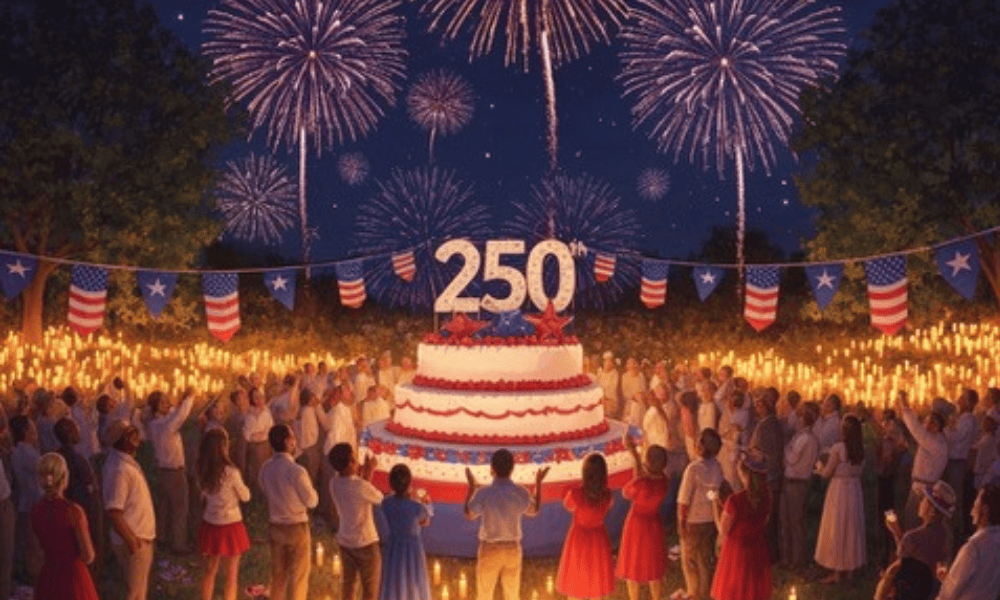
As we celebrate our country’s Semiquincentennial, I remain quite optimistic about our republic. Hatred creates drama, so we notice it. But cooperation, affection, trust, and shared purpose are the forces that actually build families, communities, and an enduring nation. Humanity may have a taste for conflict, but its greatest achievements arise from the ability to work together rather than from the pleasure of hating.
So this Independence Day, I’m grateful for the quieter freedoms—the freedom to ignore the bonfires of outrage, the freedom to decline the invitation to hate, the freedom to build something with the other two-thirds who are still trying. If others want to spend the holiday stoking their grievances, that’s their right. I’ll be eating a hot dog with the folks enjoying their right not to.








Leave a Comment
You must be logged in to post a comment.