


 1093
1093 0
0
The Language of Flowers, or the art of Floriography, is an ancient system of communicating emotions through specific blooming plants. The practice reached its peak in Victorian England, where courting etiquette was strictly enforced and potential couples were greatly restrained in what they could do or even say to each other.
To by-pass the draconian codes of Victorian etiquette, couples learned to communicate through “talking bouquets,” – often called “tussie-mussies” or “nosegays”. These small bouquets could express love, admiration, anger, heartbreak, or any emotion through the flowers selected, and how the flowers were presented. The bouquets could be used to answer “yes” or “no” questions. If flowers were presented in the right hand, the answer to the question was “yes,” and if handed over in the left hand, the answer was “no.” The condition of the flowers, and how a ribbon was tied, could even convey a message of love or disdain.
February is the most popular month for giving flowers to a loved one. While the gift giving is dominated by red roses, why not think outside the box and select flowers with a special meaning you want to convey?
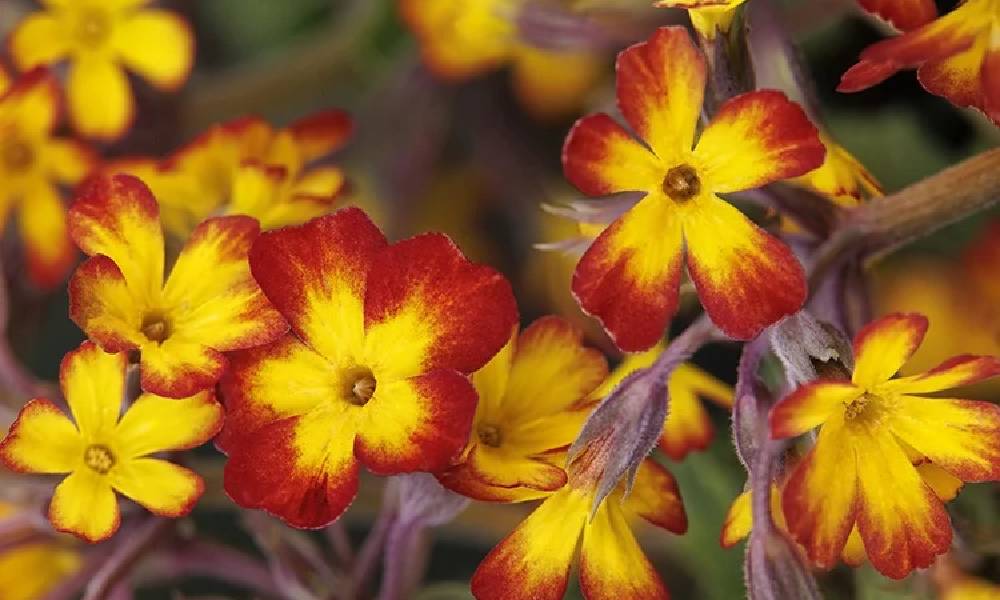
The birth flowers of February are the violet and the primrose. In the language of flowers, the violet represents loyalty, faithfulness, modesty and always being true. In Greek mythology, the violet was associated with Aphrodite, the goddess of love.
In Victorian England, sending a primrose declared the message, “I can’t live without you!” Both the primrose and the violet are some of the first blooming flowers of spring and bring hope and gladness to the heart. Why not send your friends, family, and that special someone a secret message using the language of flowers? For more information about the language of flowers, go to: almanac.com/flower-meanings-language-flowers.








Leave a Comment
You must be logged in to post a comment.