


 3674
3674 49
49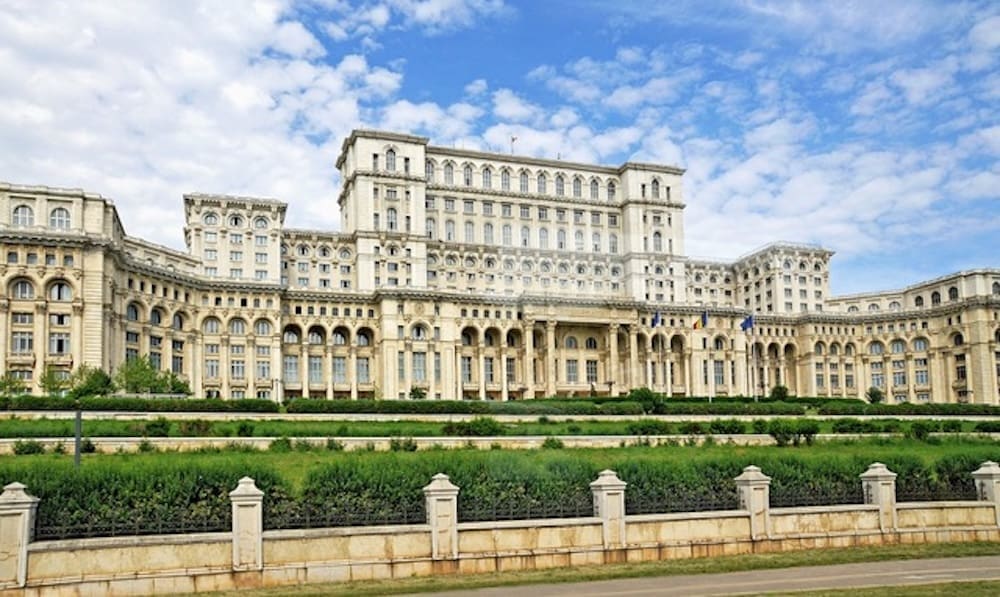
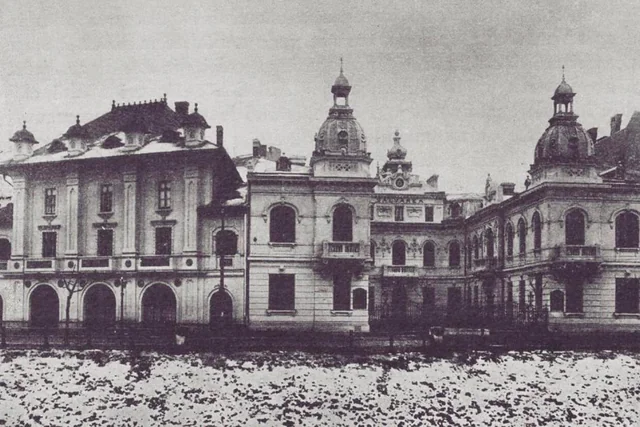
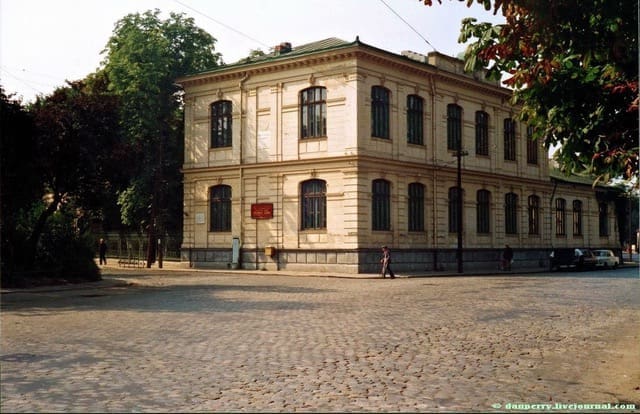
I remember walking through Bucharest with my mother one afternoon when I was a child. The air smelled of dust and diesel. Streets once shaded by gardens and lined with gracious villas now lay flattened, erased, as if history itself had been bulldozed. My mother’s voice trembled as she pointed to where neighbors’ homes had once stood, where lilacs used to bloom, where laughter used to spill from courtyards. All of it gone.
Nicolae Ceaușescu had decided to build his “Palace of the People” – Casa Poporului – a massive marble complex that would become one of the largest administrative buildings in the world and the heaviest building ever constructed. To erect it, his regime razed entire historic districts, most notably the Uranus neighborhood, displacing tens of thousands of residents and destroying centuries of architectural beauty and memory.
To glorify himself, he demolished the soul of a city. Families were uprooted, churches leveled, history obliterated. The marble palace rose like a tumor over Bucharest, cold, heavy, and obscene, while the people shivered in the dark, rationing bread and electricity.
Even as a child, I recognized the ugliness for what it was. The human soul knows beauty, and it knows when beauty is being strangled by power. That palace was not built for the people. It was built upon them.
And now, decades later, in the country that once symbolized liberty and restraint of power, I feel that same chill of recognition.
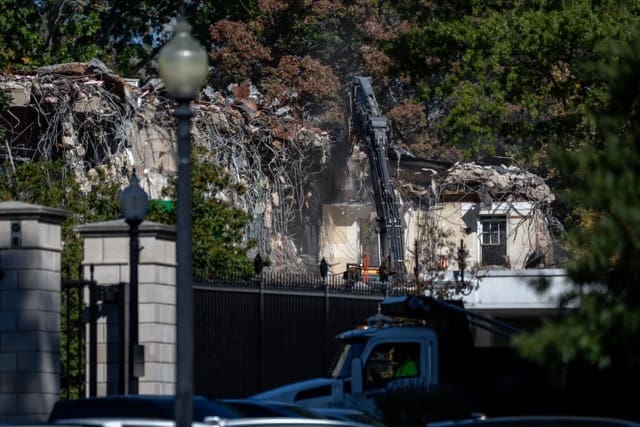
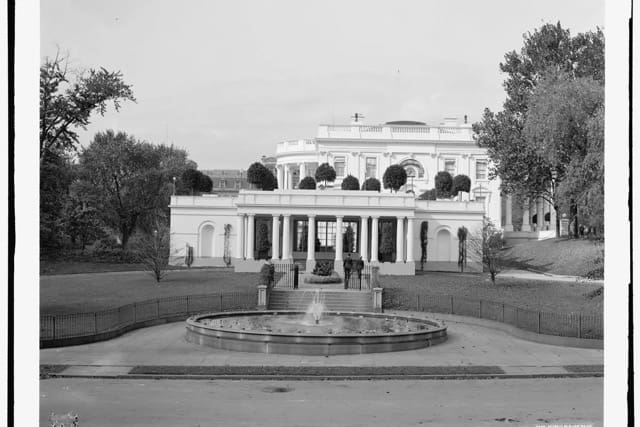
The White House East Wing, expanded in 1942 under President Franklin D. Roosevelt and long the public entrance for tours and events, as well as home to the First Lady’s offices, is now being demolished to make way for a roughly 90,000-square-foot ballroom project. The White House has described the construction as privately funded, with estimates ranging from $200 million to $300 million, though questions remain about review procedures and oversight by federal planning commissions.
It is not simply architecture being reshaped; it is democracy being defaced.
The White House was never meant to be a palace. Its elegance lay in its humility: stately but human-scaled, a house that belonged to all citizens. Every tour, every school visit, every glimpse through the iron gates whispered the same truth: this house serves the people, not the other way around.
To rip down its public wing to build a ballroom of self-worship is to repeat Ceaușescu’s sin, to trade civic beauty for vanity, shared space for spectacle. The message is the same in any language: We no longer serve you. You serve us.
I remember the grief in my mother’s voice as she mourned what was lost, not just the homes and trees, but the dignity of a people betrayed by their leaders. I hear that same grief now in the voices of Americans watching the People’s House become a monument to one man’s ego. I feel it in my chest, sharp and familiar, the same sorrow that once filled the streets of Bucharest when we realized how far we had fallen.
The parallels are too close, too cruel. In Romania, the dictator’s palace still stands, vast and hollow, a mausoleum of arrogance. One day, history will judge what we built, or allowed to be destroyed, here too.
A nation’s soul is visible in its architecture. When beauty gives way to bombast, when humility is replaced by excess, when public trust is traded for private glory, that is when freedom begins to crack.
The White House does not belong to a ruler. It belongs to the ruled. And those who forget that will, as they always have, end up building not monuments, but tombs.







Leave a Comment
You must be logged in to post a comment.